Jet2, Britain's third-largest airline, reported an 18% fall in first-half operating profit to £588.3 million for the six months ended September 30, according to Reuters. The company also said it has already cut 240,000 winter seats, a move that underscores how quickly airline economics can shift when fares soften and fuel costs swing.
The profit decline came even as demand held up. Jet2 said it leaned on lower fares to keep planes full, a strategy that squeezed margins. At the same time, higher jet-fuel costs are pressuring carriers across Europe, including Ryanair and Wizz Air, prompting airlines to rethink capacity and find ways to protect profitability.
Fuel hedged, but pricing remains the wildcard
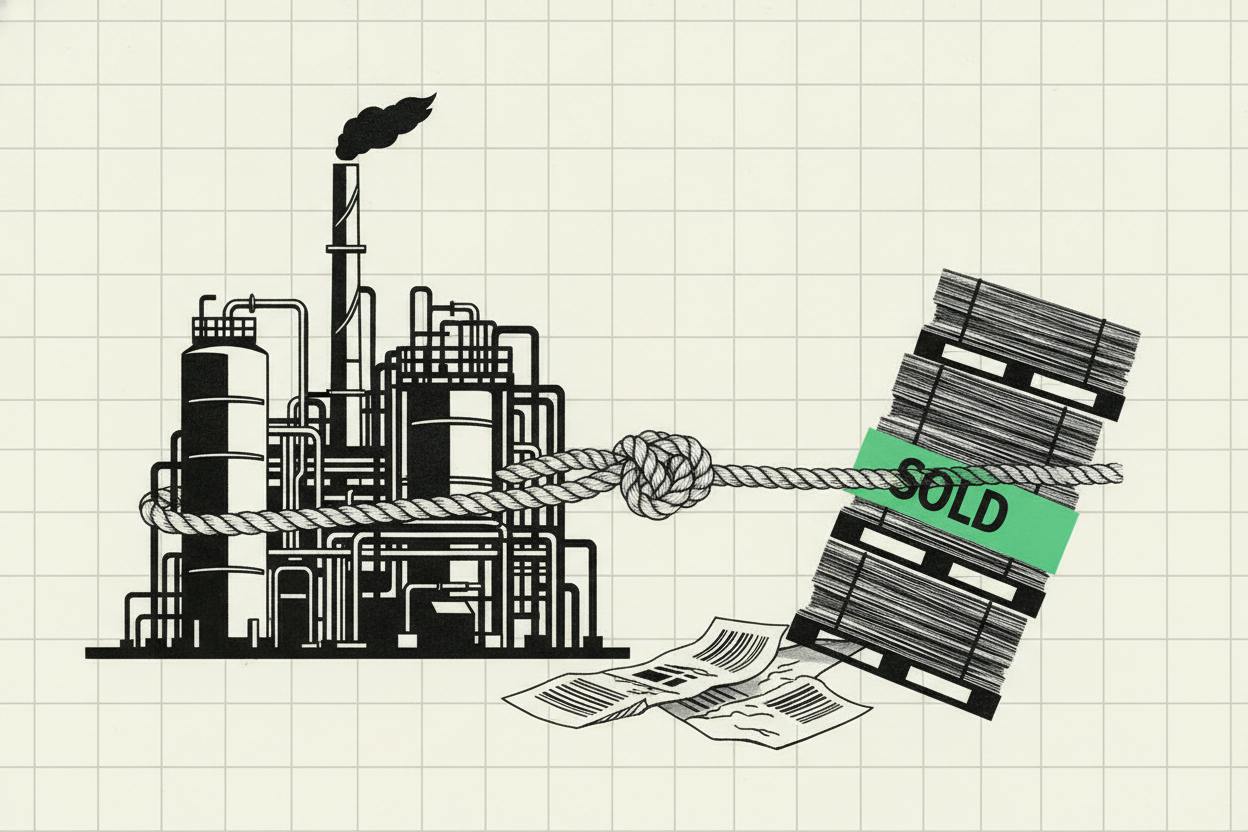
Jet2 has locked in 91% of its winter fuel needs at an average of $880 per metric ton. That hedge means near-term movements in jet-fuel prices won't directly hit its income statement. Instead, the main earnings driver for the winter season is whether ticket prices hold up.
The company said package-holiday pricing looks steady so far, but flight-only ticket yields are modestly below last winter. If those yields keep slipping, there's less help from lower fuel costs to cushion the blow.
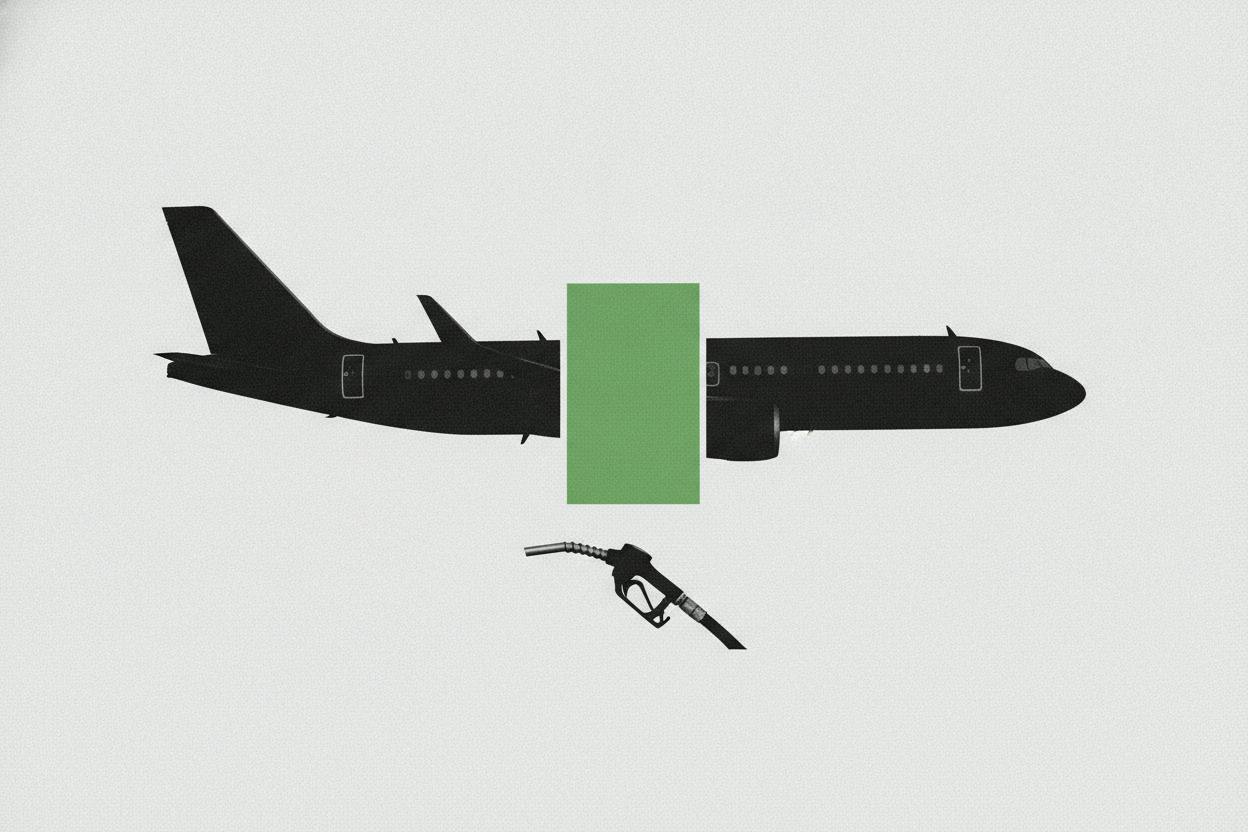
Cutting seats is a common tactic in this situation. By pulling 240,000 seats, Jet2 can concentrate demand into fewer flights, which lifts load factors (how full planes are) and avoids marginal routes where ticket prices don't cover fixed operating costs. Capacity outside London Gatwick is down 3.6%.
Why the seat cuts matter for investors
For investors, the winter question is less about where fuel prices go next and more about whether Jet2 has enough pricing power to fill planes without resorting to heavy discounting. The company says it's too early to give full-year profit guidance, citing bookings and fuel prices still in flux.
This uncertainty is not unique to Jet2. Airlines across Europe are grappling with similar pressures, as seen in eDreams' profit drop despite subscriber growth, a sign that travel demand remains resilient but pricing power is under strain.
Jet2's fuel hedge provides some stability, but it also means the company won't benefit from any sudden drop in fuel prices. The focus shifts to consumer spending and travel sentiment. With shoppers watching budgets and global tensions clouding travel plans, the airline's ability to maintain fares will be critical.
What to watch next
Investors will be watching Jet2's winter booking trends and any updates on forward pricing. The company's next update will likely shed light on whether flight-only yields are stabilizing or deteriorating further.
For a broader view of how airlines are navigating cost pressures, Dana Gas's profit jump shows how energy price swings can affect different sectors, while Parkin's record profit highlights the contrast in industries with more predictable demand.
Jet2's decision to trim winter capacity is a defensive move, but it also signals that the airline expects a softer pricing environment. For everyday investors, the key takeaway is that airline profits are highly sensitive to the balance between supply and demand. When airlines cut capacity, it's often a sign that they expect demand to be weaker or costs to be higher, and that can weigh on earnings.
As always, past performance is not a guide to the future, and airline stocks can be volatile. Investors should consider their own risk tolerance and portfolio diversification when evaluating any single company's prospects.