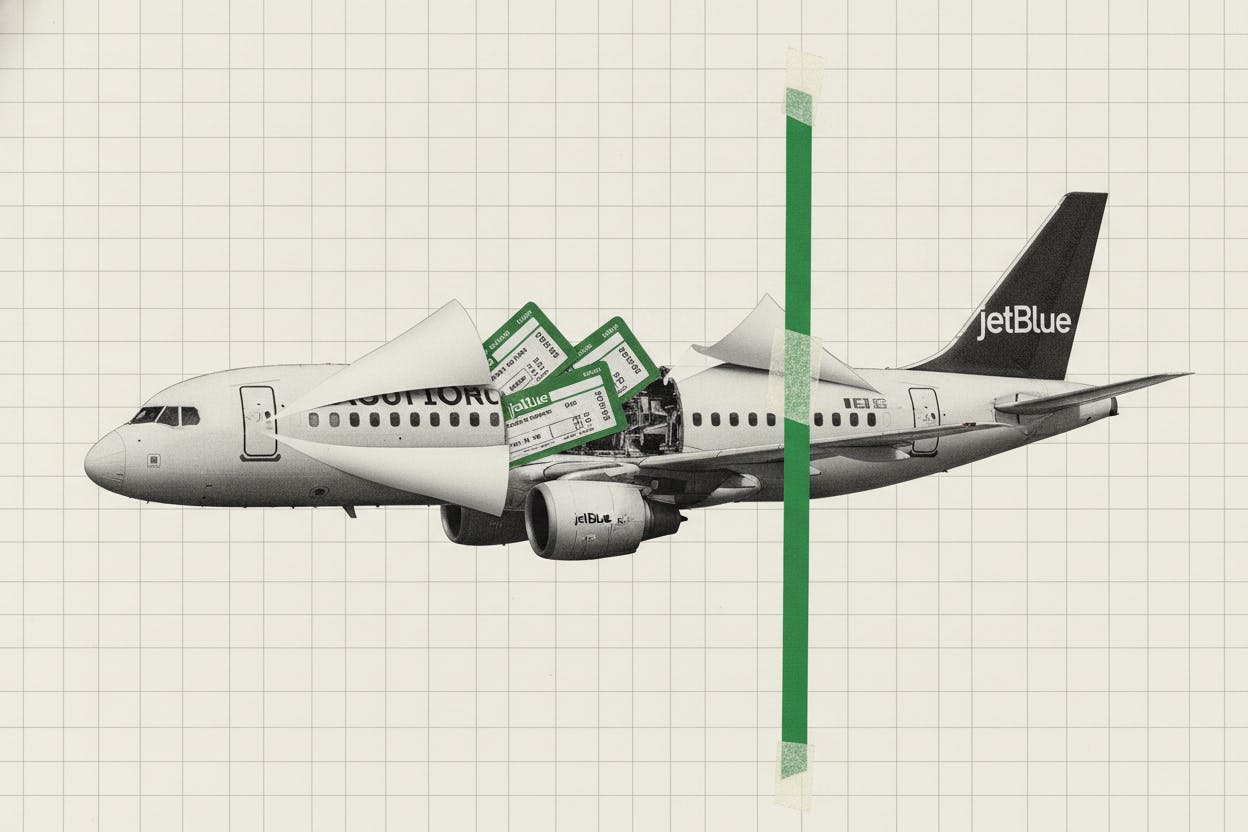
JetBlue Airways is shaking up its fare structure, introducing new options that give travelers more control over seat selection and refundability. The changes come just days before the airline is scheduled to report its second-quarter earnings on Tuesday, signaling a strategic push to compete in an industry increasingly defined by price tiers.
What JetBlue Is Changing
The airline is moving away from a one-size-fits-all approach, instead allowing passengers to mix and match add-ons like seat choice and the ability to cancel or change tickets. This is a common model among low-cost carriers, but JetBlue has historically offered a more bundled experience. By unbundling these features, JetBlue can offer a lower base fare while charging extra for perks that some travelers value more than others.
For everyday investors, this is a classic revenue management play. Airlines have long used complex algorithms to fill seats at the highest possible price, but the new fare structure lets them capture more money from passengers willing to pay for flexibility, while still appealing to budget-conscious flyers. The move could help JetBlue improve its unit revenue, a key metric that investors watch closely.
Industry Trend Toward Tiered Pricing
JetBlue is not alone in this shift. Major U.S. carriers like Delta, United, and American have all introduced basic economy fares in recent years, stripping away perks like seat selection and carry-on bags to compete with ultra-low-cost rivals such as Spirit and Frontier. The strategy has been effective: airlines have seen higher ancillary revenue from baggage fees, seat assignments, and priority boarding.
The broader backdrop is a mixed one for airlines. On one hand, travel demand remains strong, with consumers still prioritizing experiences over goods. On the other hand, rising fuel costs and capacity constraints are squeezing margins. JetBlue's fare overhaul comes as the industry grapples with these pressures, and the timing—just before earnings—suggests the airline is positioning itself to show investors a more flexible, revenue-focused strategy.
In recent months, lower oil prices have provided some relief to airlines, helping to offset cost pressures. But JetBlue's move is also a response to its own challenges. The airline has been working to cut costs and improve profitability after a period of operational struggles and a failed merger attempt with Spirit Airlines.
What It Means for Investors
For shareholders, the fare restructuring is a signal that JetBlue is focusing on maximizing revenue per seat, rather than just filling planes. Investors will be watching Tuesday's earnings report closely for signs that the new pricing strategy is gaining traction. Key metrics to look for include passenger revenue per available seat mile (PRASM), load factors, and guidance for the rest of the year.
The airline industry is notoriously cyclical and sensitive to fuel prices, economic conditions, and consumer sentiment. JetBlue's move to tiered pricing could help smooth out some of that volatility by giving it more levers to pull when demand softens. However, it also risks alienating loyal customers who prefer the simplicity of all-inclusive fares.
Analysts will also be listening for commentary on how the new fare options are being received by travelers. If early adoption is strong, it could boost JetBlue's earnings outlook and potentially lift its stock. Conversely, if the changes lead to confusion or customer backlash, the airline may face headwinds.
Investors should also consider the broader competitive landscape. Falling oil prices have helped airline stocks recently, but the sector remains sensitive to any uptick in fuel costs. JetBlue's fare overhaul is one piece of a larger puzzle that includes fleet modernization, route optimization, and labor costs.
Looking Ahead
Tuesday's earnings report will be the first major test of JetBlue's new strategy. The company is expected to provide updates on its financial performance and outlook, and investors will be parsing the numbers for clues about the health of the travel market. If JetBlue can demonstrate that its fare restructuring is driving higher revenue without scaring off customers, it could set a template for other carriers to follow.
For everyday investors, the key takeaway is that airlines are increasingly treating their seats like hotel rooms or concert tickets—pricing them dynamically based on demand and willingness to pay. JetBlue's move is part of that trend, and its success or failure will offer lessons for the entire industry.