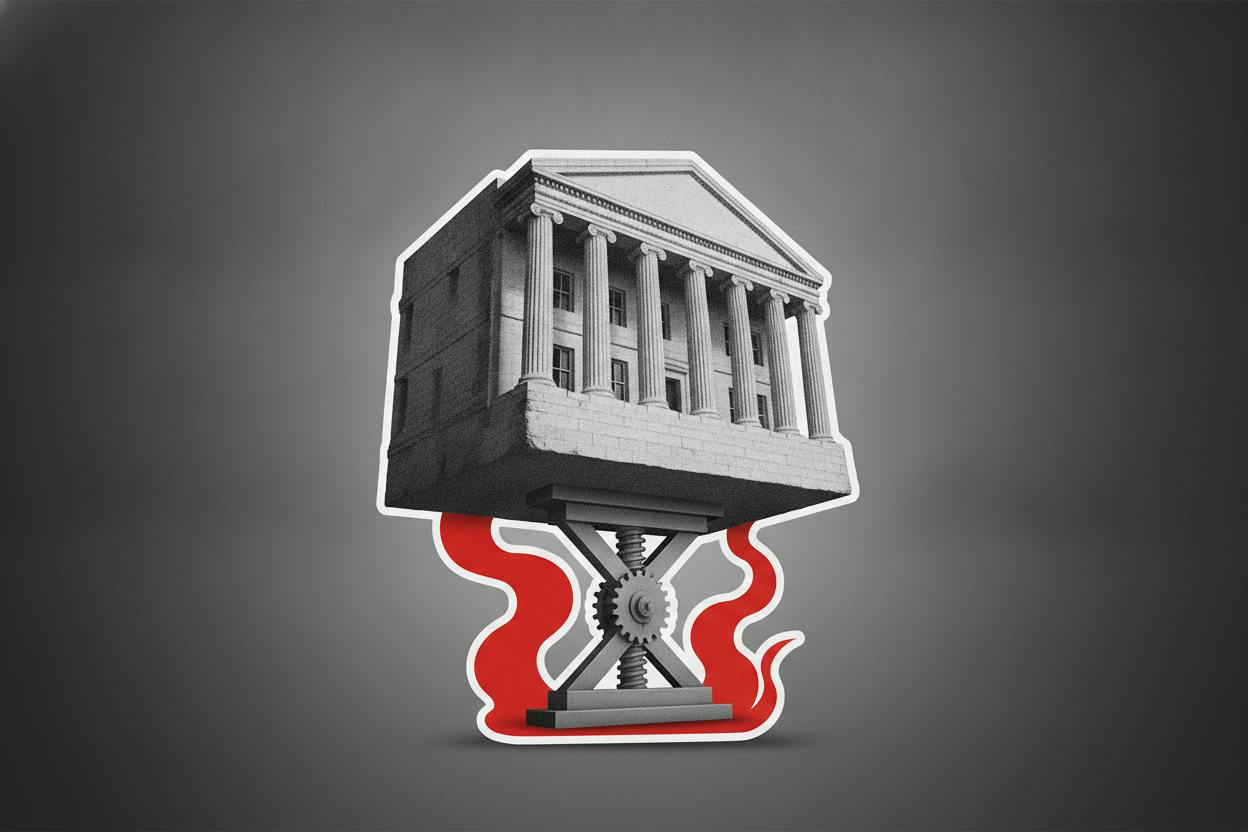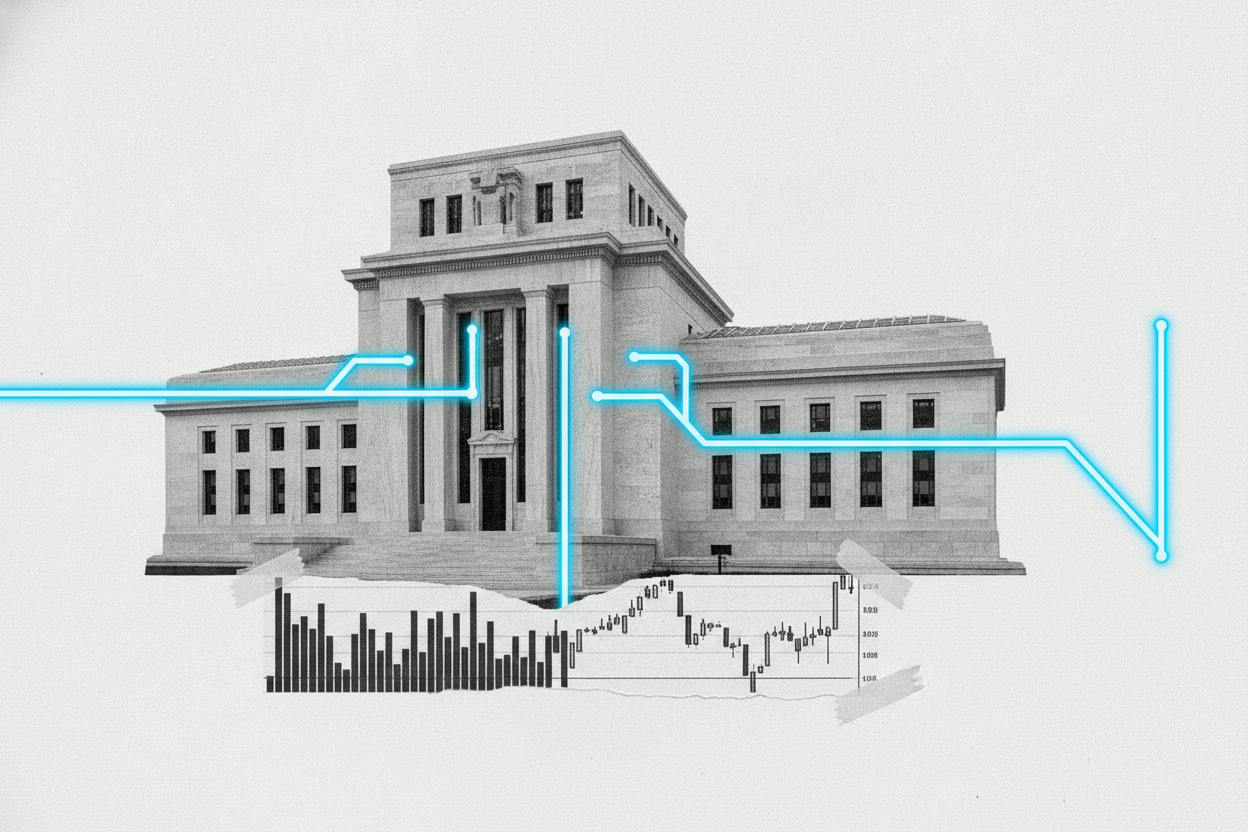
Former Federal Reserve governor Kevin Warsh said artificial intelligence could push the central bank to rethink how it interprets growth, employment and inflation, even as companies keep pouring record sums into the technology. Speaking at an event in California, Warsh argued that AI's economic impact could unfold along two very different paths — and each would call for a different monetary policy response.
His comments land at a moment when investors are already trying to work out how much of the AI boom is real productivity and how much is speculative spending. Warsh's warning suggests the Fed may face the same question, only with far higher stakes.
The two paths Warsh laid out
On the optimistic path, AI delivers a genuine surge in productivity. Workers and machines produce more per hour, which lets the economy grow faster without generating the kind of inflation that normally forces the Fed to raise interest rates. In that world, the central bank could tolerate stronger growth and lower unemployment than its current framework assumes.
On the pessimistic path, the story runs in reverse. If automation displaces workers faster than new jobs appear, or if the enormous sums companies are spending on AI infrastructure fail to translate into profits, the economy could weaken first. Unemployment would rise, demand would cool, and the Fed might need to cut rates to cushion the blow — even before any productivity dividend shows up.
Both scenarios point to the same conclusion: the models the Fed uses to judge whether the economy is running too hot or too cold may need updating. The central bank's dual mandate — stable prices and maximum employment — depends on being able to read the labour market and inflation accurately. If AI scrambles those signals, policy could be set on faulty assumptions.
Why this matters beyond the Fed
Warsh is not a current policymaker, but he is a familiar voice in markets. Traders have been watching his public appearances closely for clues about how the Fed's thinking may evolve, particularly as debate grows over how the central bank should respond to an economy being reshaped by technology. His remarks add to a broader conversation about whether traditional economic indicators still capture what is happening on the ground.
For everyday investors, the practical takeaway is that interest rate expectations — the single biggest driver of stock and bond prices — may become harder to predict. If the Fed itself is unsure whether AI is lifting productivity or destroying jobs, the path of rates becomes less clear. That uncertainty tends to show up as sharper swings in markets, especially in rate-sensitive sectors like technology, real estate and utilities.
It also cuts both ways for AI-linked companies. If AI genuinely boosts productivity, the firms selling the tools and infrastructure could see durable demand. If the spending does not pay off, the same companies could face a painful reset as budgets tighten. Investors have been rewarding AI spending on the assumption that the payoff is coming; Warsh's comments are a reminder that the outcome is not guaranteed.
What investors should watch next
The clearest signals will come from the data. Productivity figures, unit labour costs and jobless claims will help show which path the economy is actually on. If productivity rises while inflation stays contained, the Fed may feel comfortable keeping policy looser for longer. If layoffs climb while AI spending keeps rising, the calculus flips.
Investors should also watch how Fed officials talk about AI in their public remarks. Any shift in language — from treating AI as a distant possibility to treating it as a live factor in policy — would be a meaningful signal. The central bank's framework review and its projections for growth and unemployment will be the places to look for those changes.
For now, Warsh's message is less about a specific rate call and more about a mindset. The Fed has spent decades refining how it reads the economy. AI, he suggests, may force it to start over — and investors who assume the old rules still apply could be caught off guard.