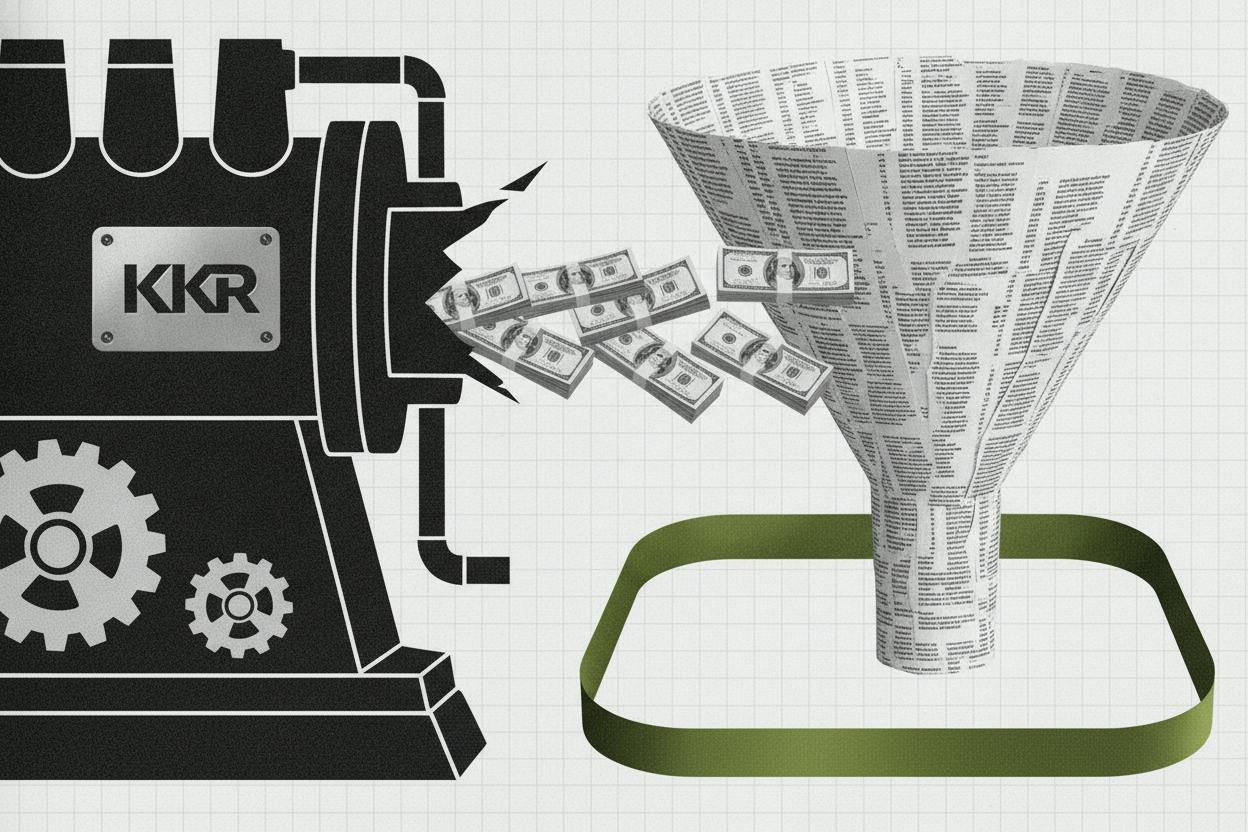
KKR, one of the world's largest private equity firms, posted a record quarterly profit, powered by a steady stream of investment sales and growing management fees. The New York-based firm said it is on track to return more than $40 billion to clients this year, even as higher interest rates have made it harder for much of the private equity industry to sell companies.
What happened
In the third quarter, KKR's adjusted net income rose 29% to $1.6 billion, or $1.78 per share, beating analysts' average estimate of $1.59 per share, according to LSEG data. The firm sold assets including CoolIT Systems and Atlantic Aviation, turning paper gains into cash and returning money to its investors.
Management also flagged a potential next big deal: the $17 billion sale of USI Insurance Services to Aon, which could close in the fourth quarter. If completed, that would be one of the largest private equity exits of the year.
Beyond one-off sales, KKR's fee-related earnings—profit tied to recurring management fees rather than deal-by-deal outcomes—climbed 27% to $1.3 billion. That growth came as the firm raised $25 billion in the quarter, pushing its assets under management above $800 billion. Inflows were led by credit, liquid strategies, and real assets.
Why it matters
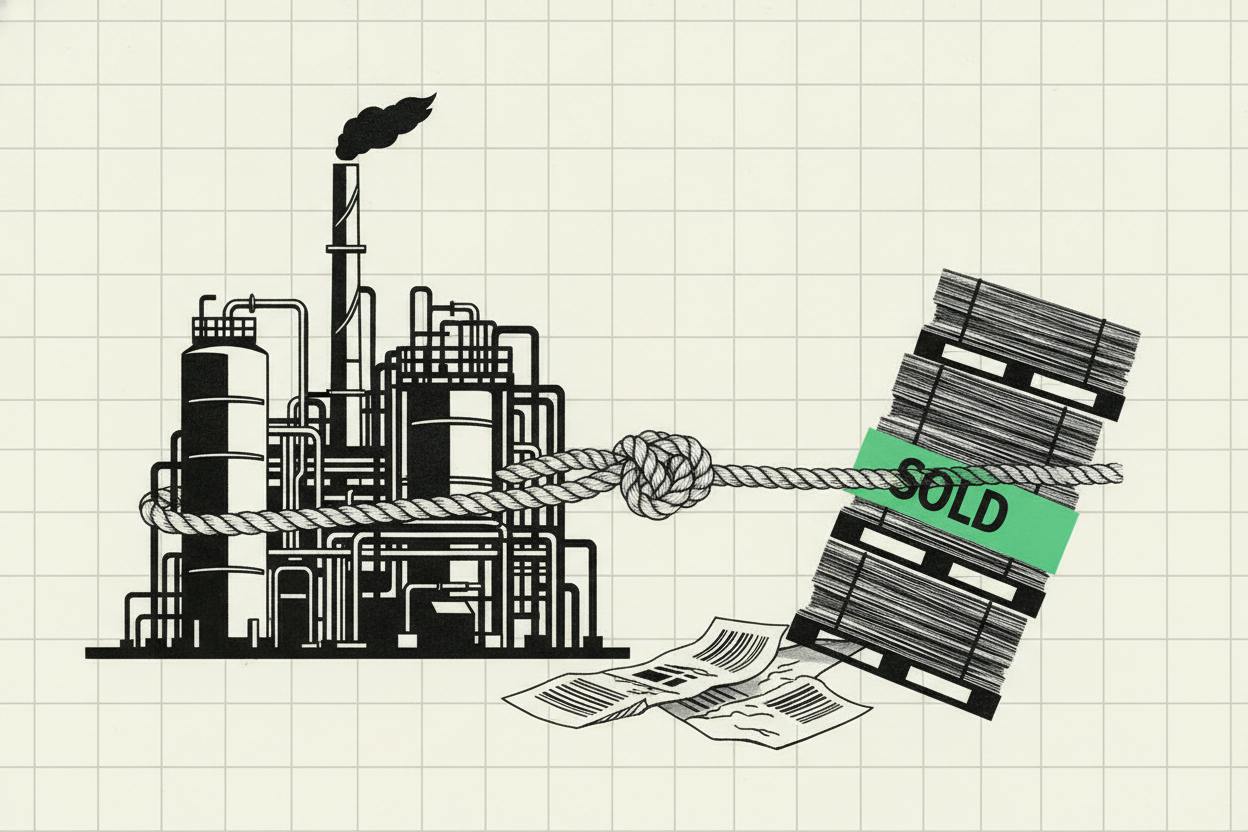
The results highlight a contrast with much of the private equity industry. For the past couple of years, high interest rates have made it more expensive to borrow money for buyouts, and they've also made buyers more cautious. That has slowed the pace at which private equity firms can sell their portfolio companies—a process known as "exiting" or "monetizing" an investment.
When exits slow, private equity firms can't return cash to their limited partners—the pension funds, endowments, and wealthy individuals who invest in their funds. That creates a "plumbing problem" for the industry: many institutional investors are short on cash because they haven't received distributions, while their public market holdings have risen faster than their private valuations. Without those cash returns, investors may be unable to commit to new private equity funds, which can slow fundraising across the sector.
KKR's ability to keep selling assets and returning money helps ease that squeeze. The firm's target of returning more than $40 billion this year, combined with $25 billion raised in the latest quarter, suggests a "flywheel" effect: faster capital recycling can lead to more predictable fundraising, which in turn supports future fee income.
What it means for investors
For everyday investors, KKR's results offer a window into the health of the private equity industry and the broader dealmaking environment. When a major firm like KKR is able to sell assets at good prices, it signals that there is still demand for high-quality businesses, even in a higher-rate world.
The growing share of fee-related earnings is also significant. It means KKR's profits are becoming less dependent on the timing of big sales, which can be lumpy and unpredictable. Instead, a larger portion of revenue comes from managing money, which provides a steadier base. That shift could make KKR's earnings more resilient over time.
For investors in public markets, the news is a reminder that private equity firms are not all the same. Some are better positioned to navigate a tough exit environment than others, and their ability to return capital can be a key differentiator.
As always, past performance is not a guarantee of future results. KKR's record quarter is encouraging, but the private equity landscape remains sensitive to interest rates and economic conditions. Investors should consider how these dynamics might affect their own portfolios, whether through direct holdings or through funds that invest in private equity.
For more on how companies are navigating higher rates and shifting markets, see our coverage of UniCredit raising its profit target and Hannover Re beating estimates.