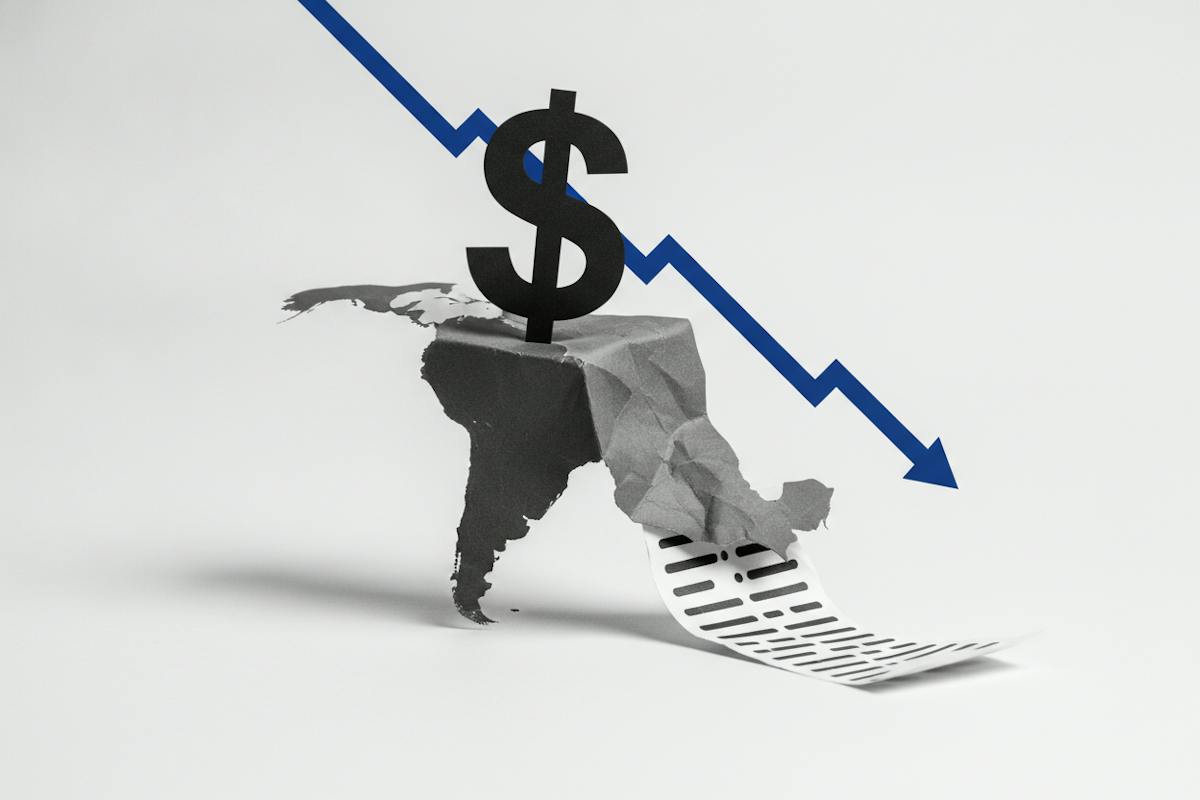
Latin American currencies took a hit on Tuesday as investors juggled two forces: growing concerns about government budgets and a broadly stronger US dollar. Colombia's peso dropped almost 3%, breaking past the 3,600-per-dollar mark, while Mexico's peso fell to its weakest level since May 2025.
The moves reflect a familiar pattern in emerging markets: when investors worry that governments may struggle to raise revenue or control deficits, they demand a higher "risk premium" — extra return for the chance that budgets deteriorate. Currencies often react first because money can exit quickly, making them a sensitive barometer of investor sentiment.
What's driving the fiscal nerves?
In Colombia, the peso's slide comes amid ongoing concerns about the government's fiscal position. Investors are watching how the administration manages spending and revenue collection, especially with oil prices — a key export — under pressure. A weaker currency can also feed inflation by making imports more expensive, which complicates the central bank's job.
Mexico's peso, meanwhile, has been under pressure from a mix of domestic and external factors. The country's budget deficit and the fiscal outlook have been in focus, and a stronger dollar adds to the strain. The dollar has been firming globally as investors bet on US interest rates staying higher for longer, which makes dollar-denominated assets more attractive and pulls money away from emerging markets.
This isn't just a Latin American story. Across the developing world, currencies have been sensitive to shifts in global risk appetite. A stronger dollar tends to weigh on emerging market assets, and when local fiscal concerns are layered on top, the effect can be amplified. As global markets steady after recent volatility, investors are still cautious about countries with stretched public finances.
What it means for investors
For everyday investors, the immediate takeaway is that currency moves can have ripple effects. If you hold international funds or emerging market ETFs, a weaker peso can reduce the value of your holdings when converted back to dollars or other major currencies. It can also affect companies that do business in those countries, as their earnings may be hit by currency translation losses.
But it's not all bad news. A weaker currency can make a country's exports cheaper and more competitive, which can benefit local industries. However, if the slide is driven by fiscal worries, the benefits may be overshadowed by concerns about inflation and economic stability.
Investors should also keep an eye on how central banks respond. In countries like Colombia and Mexico, policymakers may need to adjust interest rates to defend their currencies or control inflation. That can have knock-on effects on borrowing costs and economic growth.
For those with exposure to Latin American markets, the key is to watch how fiscal policies evolve and whether the dollar's strength persists. As Latin American stocks have shown resilience in recent sessions, the currency market tells a different story — one of caution.
Broader context
The moves come at a time when global markets are still digesting a period of high volatility. An AI-led selloff earlier in the year rattled investors, and while markets have steadied, uncertainty remains. The dollar's strength is a key factor, as it reflects expectations that US interest rates will stay elevated. That puts pressure on emerging market currencies across the board.
In Latin America, fiscal discipline has been a recurring theme. Countries that have managed their budgets well have generally seen their currencies hold up better. Those with wider deficits or political uncertainty tend to face more pressure. Colombia and Mexico are both in the latter camp right now, according to market participants.
Looking ahead, investors will be watching for any signals from policymakers about how they plan to address fiscal concerns. Budget announcements, central bank meetings, and economic data will all be closely scrutinized. The risk premium that investors demand could rise further if there's no clear plan to stabilize public finances.
For now, the message from the currency market is clear: fiscal nerves are back, and the dollar is adding to the strain. As always, diversification and a long-term perspective can help investors weather these swings.