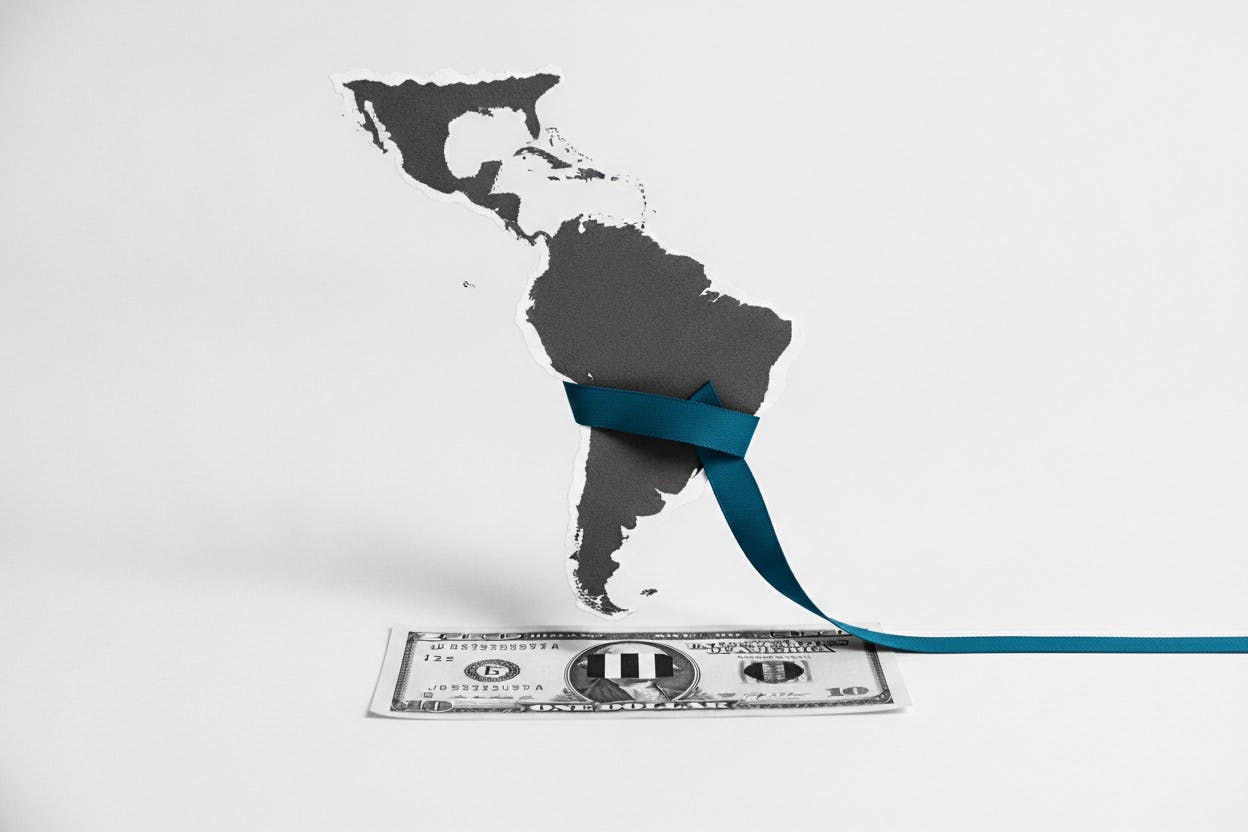
Latin American stocks and currencies pulled back on Tuesday as investors weighed fresh signs that US inflation is proving stubborn and looked ahead to a closely watched speech by Federal Reserve Governor Kevin Warsh at the annual Jackson Hole symposium. The regional retreat came as the US dollar steadied after a recent bounce, leaving emerging-market assets without the tailwind they had enjoyed for much of the year.
Argentina's peso was the standout loser, sliding to a fresh record low against the dollar. The currency's weakness underscores the persistent economic challenges facing the country, even as its new government pushes through painful reforms. For investors holding Argentine assets, the peso's decline is a reminder of the high risks that come with the region's more volatile markets.
Why the dollar matters for Latin America
Much of this year's rally in emerging-market stocks and currencies has been built on a softer US dollar. When the greenback weakens, it becomes cheaper for global investors to finance positions in riskier assets, and it eases the burden of dollar-denominated debt for emerging-market governments and companies. That dynamic has been a key support for Latin American markets, which tend to be sensitive to shifts in global liquidity.
But that support now looks less certain. Recent US inflation data came in "sticky," meaning price pressures are not cooling as quickly as policymakers and investors had hoped. That has prompted traders to rethink how long the Federal Reserve can keep its policy tight. If the Fed is forced to keep interest rates higher for longer, the dollar could stay firm, and that would likely keep a lid on emerging-market assets.
On the day, the dollar was roughly steady, but the damage had already been done. Investors trimmed their exposure to Latin American equities and currencies, preferring to wait for clearer signals on the Fed's next move.
Jackson Hole: Warsh's debut
All eyes are now on Kevin Warsh, who is set to deliver his first speech as Fed chair at the Jackson Hole economic symposium. The annual gathering of central bankers, held in the mountains of Wyoming, has become a key event for markets, as policymakers often use it to signal shifts in monetary policy.
Warsh, who took over the Fed's top job earlier this year, is expected to address the inflation outlook and the path for interest rates. His comments will be scrutinized for any hint of whether the Fed is leaning toward cutting rates soon or prepared to hold them higher for longer. The stakes are high: a hawkish tone could strengthen the dollar further and add pressure on emerging markets, while a more dovish stance could revive risk appetite.
Traders are also keeping an eye on other data and events that could move markets. Treasury yields have dipped as investors position for the speech, and the dollar has firmed ahead of weekly jobless claims data. The interplay between US economic data and central bank communication is likely to set the tone for global markets in the coming days.
What it means for investors
For everyday investors, the key takeaway is that Latin American markets remain highly sensitive to US monetary policy. When the Fed tightens or signals that rates will stay high, money tends to flow out of emerging markets and back into US assets, which can cause currencies to weaken and stocks to fall. That is exactly what we are seeing now.
Investors with exposure to Latin American funds or individual stocks should be prepared for continued volatility, especially if inflation data remains hot. Hot US inflation data has already rattled the region once this week, and further surprises could trigger more selling.
On the other hand, if Warsh signals that the Fed is close to cutting rates, Latin American assets could rebound quickly, as they did earlier in the year. The region's economies are still growing, and many currencies are trading at levels that look cheap by historical standards. But timing the turn is difficult, and the risk of further losses is real.
For those watching from the sidelines, the Jackson Hole speech is a good moment to reassess risk tolerance. Gold has edged higher as traders await the Fed's signal, a sign that some investors are hedging against uncertainty. The coming days will likely bring clearer direction, but until then, patience is a virtue.
In short, Latin American markets are in a holding pattern, caught between sticky inflation and the prospect of a policy shift. The peso's slide is a stark reminder of the region's vulnerabilities, but it is not a reason to panic. As always, diversification and a long-term perspective remain the best tools for navigating these choppy waters.



