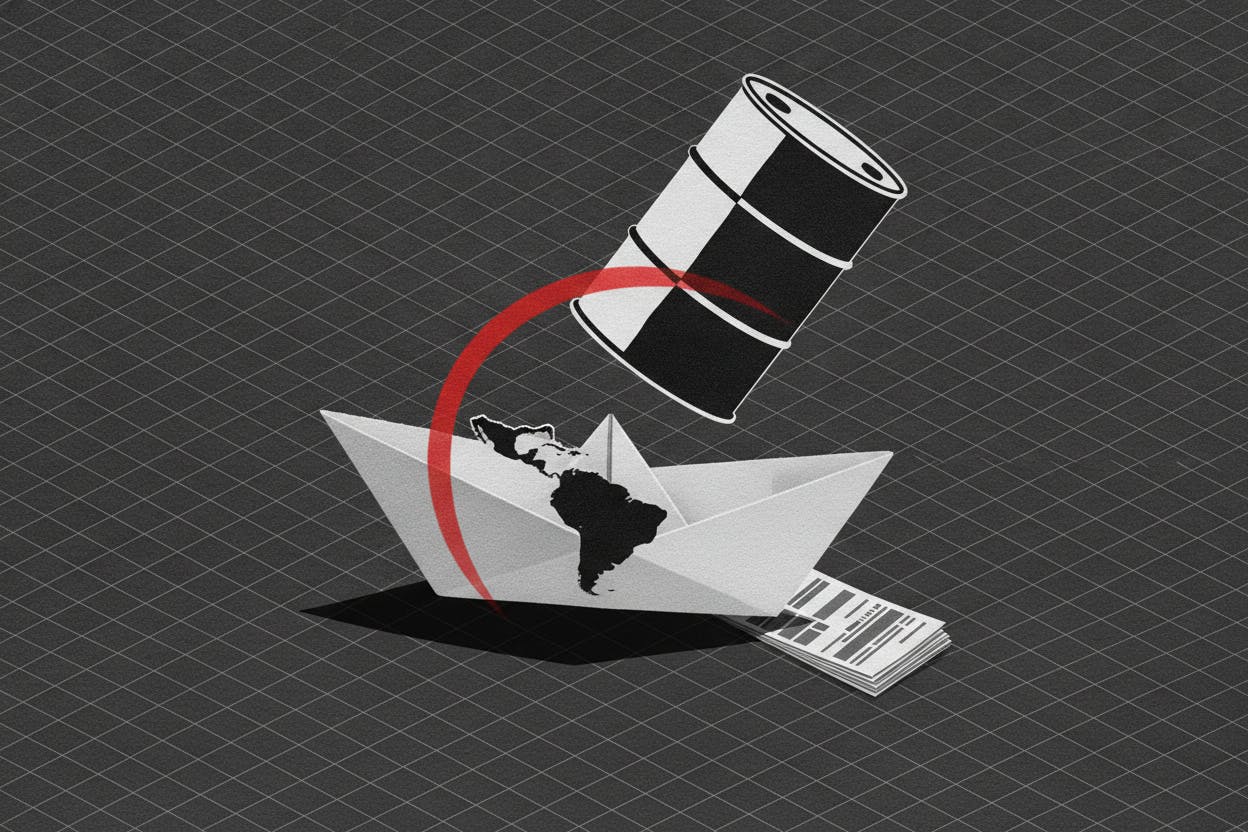
Latin American financial markets took a cautious stance on Tuesday, with regional stocks edging lower and currencies trading in mixed territory. The mood was dominated by two big forces: a sharp 7% rebound in oil prices linked to rising Middle East tensions, and the looming Federal Reserve policy statement that could set the tone for global interest rates.
Oil's sharp rebound stokes inflation fears
Crude oil prices jumped roughly 7% during the session, driven by escalating geopolitical risks in the Middle East. That surge reignited concerns that energy costs could keep inflation elevated, complicating the outlook for central banks across the region. For Latin American economies, many of which are net oil importers, higher crude prices can widen trade deficits and put upward pressure on consumer prices.
The move comes on the heels of a period of relative calm in oil markets, and the sudden spike caught many investors off guard. The jump was large enough to ripple through other asset classes, pushing Treasury yields higher and weighing on equity sentiment globally.
Fed decision dominates the calendar
All of this unfolded against the backdrop of the Federal Reserve's two-day policy meeting, which concludes Wednesday with a rate decision and updated economic projections. Markets are split on whether the Fed will deliver another rate hike or hold steady, as inflation remains stubbornly above the central bank's 2% target.
For Latin American investors, the Fed's stance matters enormously. A hawkish surprise — such as a rate hike or signals of more tightening ahead — could strengthen the US dollar and put pressure on emerging-market currencies and bonds. Conversely, a dovish hold could provide some breathing room for regional assets.
Earlier in the day, stocks dipped in other markets as well, reflecting the broad uncertainty. The cautious tone was also visible in European bond markets, where yields rose as traders priced in the dual risks of higher energy costs and tighter monetary policy.
What it means for everyday investors
For ordinary investors with exposure to Latin American stocks, bonds, or currencies, this week's events highlight a few key points to watch.
Currency risk remains front and center. When oil prices spike and the Fed is in focus, emerging-market currencies often take the brunt. A stronger US dollar can erode the local-currency returns of foreign investments. Investors holding Latin American assets should be prepared for potential volatility in exchange rates.
Inflation worries are not going away. The oil rebound is a reminder that the battle against inflation is far from over. Central banks in Latin America — many of which were early to raise rates — may need to keep policy tight for longer if energy costs push prices higher again. That could weigh on economic growth and corporate earnings.
Equity markets may stay choppy. Regional stock indices slipped on Tuesday, and the combination of geopolitical uncertainty and monetary policy ambiguity suggests more turbulence ahead. Sectors like energy and materials could benefit from higher oil prices, but broader market gains may be limited until the Fed's path becomes clearer.
Looking ahead
All eyes are now on Wednesday's Fed statement and press conference. Traders will parse every word for clues about the central bank's next moves. In the meantime, oil prices will remain a wildcard — any further escalation in Middle East tensions could send crude even higher, adding to the pressure on Latin American markets.
For now, the message from the region's markets is one of caution: wait and see what the Fed does, and keep an eye on oil.