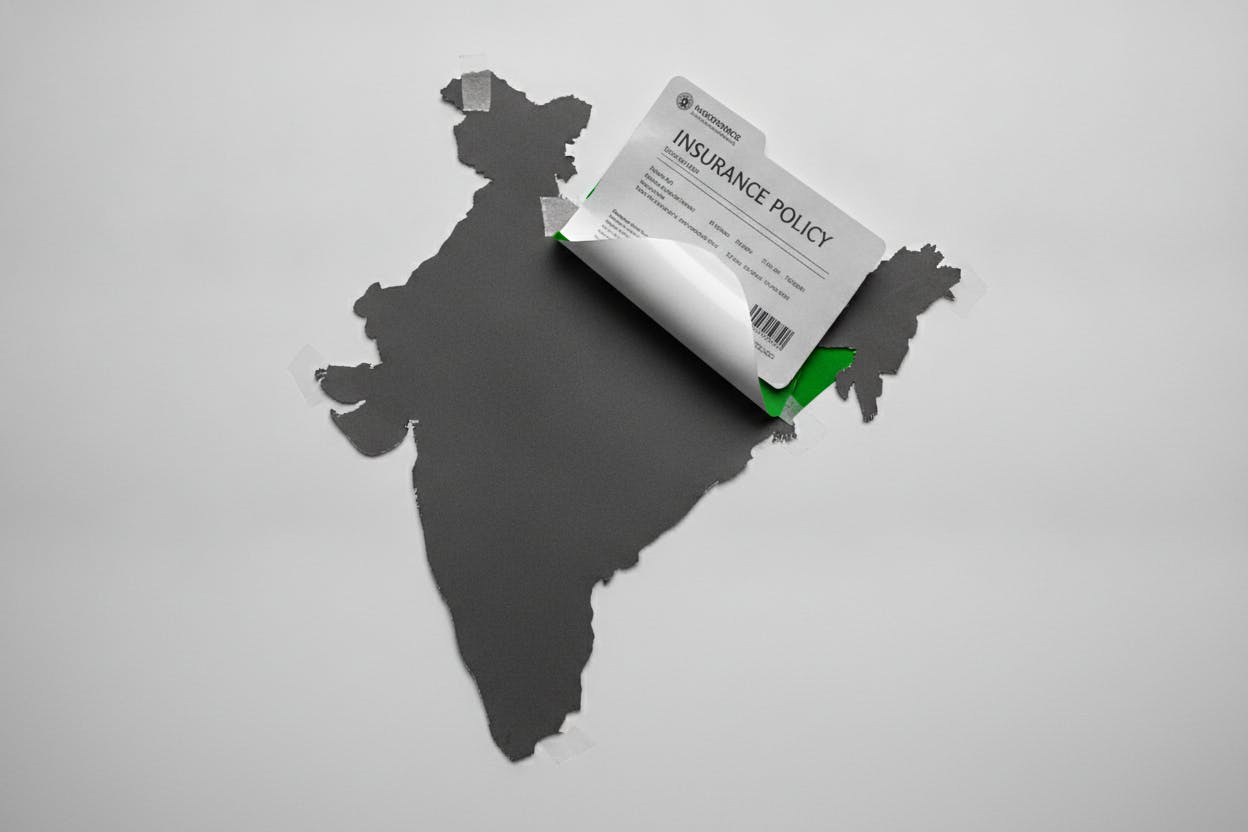
India's Life Insurance Corporation of India (LIC) reported a 23% rise in first-quarter profit, helped by strong sales of group policies and a deliberate push into products that carry fatter margins for the insurer.
The state-backed company said profit for the quarter ended June 30 came in at 134.92 billion rupees ($1.42 billion), up from the same period a year earlier. The result underscores how India's largest life insurer is reshaping its business mix to improve profitability even as competition in the sector intensifies.
What's driving the growth?
LIC has been leaning more heavily into non-participating policies, which do not pay policyholder bonuses. Unlike traditional participating plans, where a large share of profits is shared with customers, non-participating policies leave the insurer with a more predictable and typically higher margin.
That shift is showing up in a key industry metric: the value of new business (VNB), which estimates the expected profit from policies sold during the period. LIC's VNB jumped 61.32% to 31.36 billion rupees in the quarter, a sign that the company is earning more from each rupee of new premium.
Another standard measure, annualized premium equivalent (APE), is used to compare new premium flows across products and companies. While the brief doesn't specify the exact APE figure, the strong VNB growth relative to premium growth indicates that the quality of new business is improving, not just the volume.
Group sales and market context
LIC also benefited from robust sales of group policies, which are typically sold to employers or other organizations to cover their members. These policies can be lower-margin individually, but they bring in large premium volumes and help build scale.
The results come at a time when India's life insurance market is growing rapidly, driven by rising incomes and greater awareness of financial planning. However, private insurers have been gaining ground, and LIC has had to defend its dominant position while also improving profitability.
Investors have been watching LIC's margin trajectory closely, as the company has historically lagged private peers on profitability metrics. The latest quarter suggests the strategy of tilting toward non-participating products is starting to pay off.
What it means for investors
For everyday investors, LIC's numbers offer a few takeaways. First, the company is becoming more efficient at converting new sales into profit, which is a positive sign for its long-term earnings power. Second, the shift toward non-participating policies means policyholders may see different benefit structures, but for shareholders it can mean steadier returns.
It's worth noting that LIC is a state-owned enterprise, so its performance is also tied to broader government policy and the health of the Indian economy. The company's stock is widely held by domestic institutions and retail investors, and its quarterly results often move the market.
Looking ahead, analysts will be watching whether LIC can sustain this momentum. The insurance sector in India is competitive, and maintaining high margins while growing premium volumes is a delicate balance. The company's ability to keep improving its product mix will be key.
For those invested in Indian equities or considering exposure to the country's financial sector, LIC's results are a useful barometer for the broader insurance industry. Strong group sales and better margins are encouraging, but investors should also consider the competitive pressures and regulatory environment that could affect future performance.
As always, past performance is not a guarantee of future results, and individual investment decisions should be based on your own financial goals and risk tolerance.