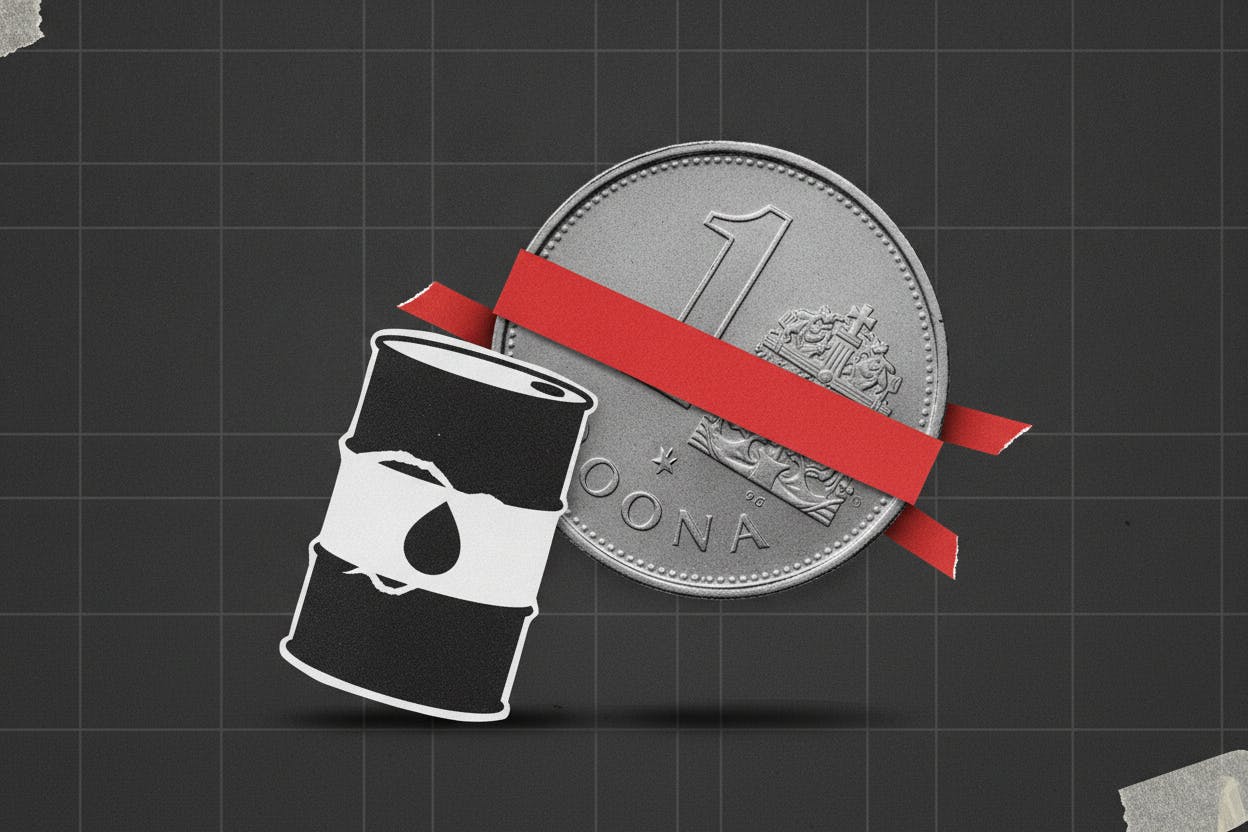
The Canadian dollar climbed to a two-month high on Tuesday, driven by a rally in crude oil prices and lingering optimism from a surprisingly strong domestic jobs report. The currency, often called the loonie, touched 1.3916 per US dollar, its firmest level since June 10, before settling around 1.3920, according to Reuters.
The move, however, was measured. Traders held back from pushing the currency further ahead of Wednesday's US inflation report and ongoing tariff negotiations, both of which could shift the global currency landscape.
What's behind the loonie's strength?
Two main forces are at play. First, oil prices have been climbing, with benchmark crude rising to around $83.16 a barrel. Energy is a major Canadian export, so higher oil prices tend to boost the loonie by improving the country's terms of trade—essentially, the value of what Canada sells abroad relative to what it buys.
Second, Canada's labor market showed unexpected resilience in July. The economy added 75,100 jobs, far more than analysts had predicted, and the unemployment rate fell to a two-year low. A strong jobs market often signals a healthy economy, which can attract foreign investment and support a currency.
Together, these factors gave the loonie a solid push. But the gains were capped by caution ahead of key events that could quickly reverse the trend.
Why traders are staying cautious
The immediate focus is Wednesday's US inflation report. If inflation comes in hotter than expected, it could prompt the Federal Reserve to keep interest rates higher for longer, which would likely strengthen the US dollar and put pressure on the loonie. Conversely, a cooler reading could ease those concerns and give the Canadian dollar more room to run.
Tariff talks are also weighing on sentiment. The ongoing USMCA discussions have been a recurring source of uncertainty for Canadian markets. As analysts at Desjardins have noted, the loonie's gains are often capped when these negotiations drag on, as the threat of tariffs can hurt Canadian exports and dampen economic growth.
This backdrop explains why the currency's move, while notable, wasn't more aggressive. Investors are essentially waiting for clearer signals before committing to bigger positions.
What it means for investors
For everyday investors, a stronger loonie has mixed implications. If you hold US stocks or funds denominated in US dollars, a firmer Canadian dollar means your foreign investments are worth less when converted back to Canadian dollars. On the other hand, if you're planning a trip to the US or buying imported goods, a stronger loonie gives you more purchasing power.
The currency's direction also matters for Canadian companies. Exporters, particularly those in manufacturing, tend to benefit from a weaker loonie because their goods become cheaper for foreign buyers. Conversely, a stronger loonie can squeeze profit margins for exporters while helping importers and retailers who buy goods in US dollars.
Energy companies are a special case. While higher oil prices are generally good for Canada's oil patch, a rising loonie can offset some of those gains, since oil is priced in US dollars. So even as crude climbs, the benefit to Canadian energy firms may be partially muted.
Looking ahead
The next few days could be pivotal for the loonie. The US inflation report will be a major driver, and any headlines from tariff talks could trigger sharp moves. As traders also watch upcoming US economic data, the currency market is likely to remain sensitive to any shifts in the interest rate outlook.
For now, the loonie's strength reflects a solid domestic economy and supportive commodity prices. But with so much uncertainty on the horizon, investors should be prepared for volatility. As always, it's wise to keep a long-term perspective and avoid making impulsive decisions based on short-term currency swings.