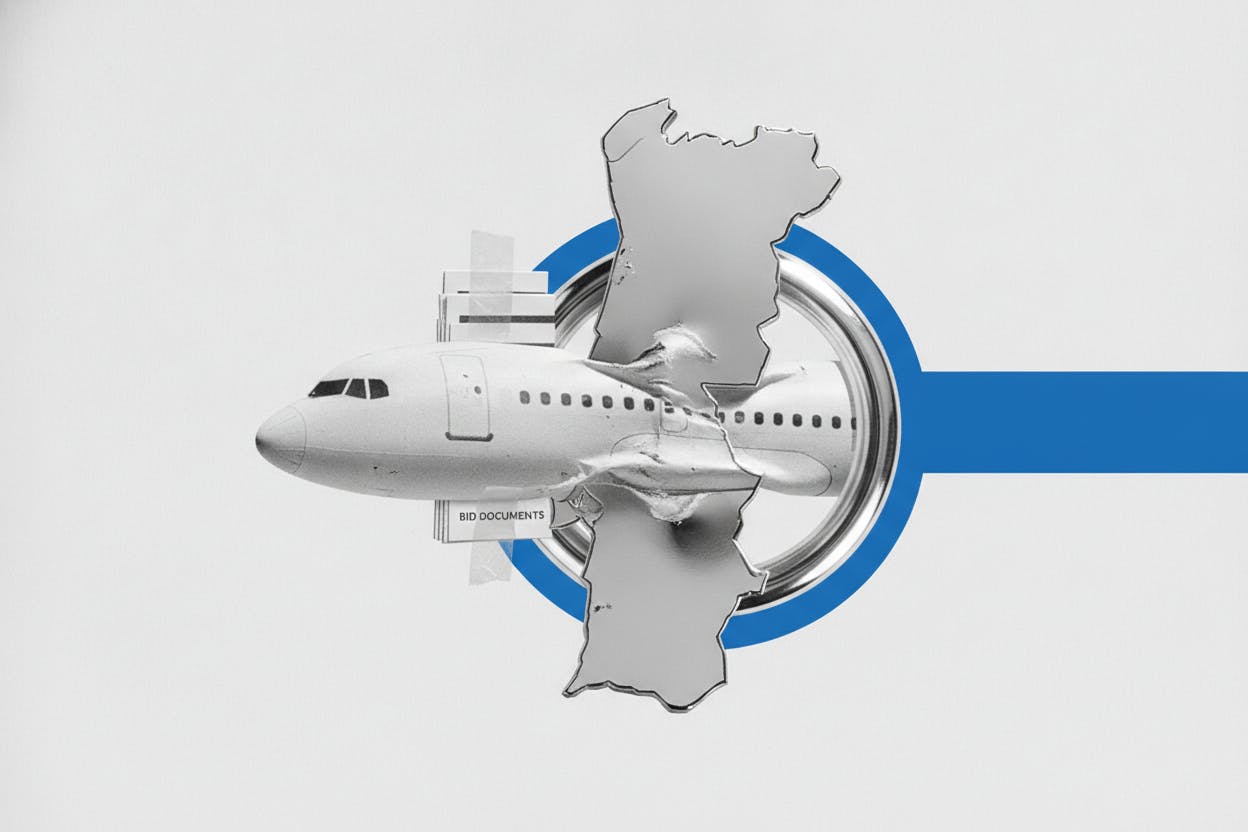
Lufthansa is positioning itself to take a minority stake in Portugal's flag carrier TAP as the government revives a privatization process that has been stalled for years. CEO Carsten Spohr confirmed the group's interest, while also announcing plans for a Lufthansa Technik maintenance hub in Portugal scheduled to open in 2028.
What's on the table
Portugal plans to sell 44.9% of TAP to a strategic airline partner, with an additional 5% set aside for employees. The government has invited Lufthansa and Air France-KLM to submit binding bids by the end of July, after earlier offers were deemed broadly similar. The sale process is targeting completion by early September.
For Lufthansa, the prize isn't just TAP's operations—it's the scarce takeoff and landing slots at Lisbon Airport. These slots are a bottleneck for growth at one of Europe's busiest hubs, and they give TAP access to high-demand routes to Brazil, Portuguese-speaking African countries, and the United States.
Why slots matter
Airlines can add planes, but they can't easily add flights at a constrained airport without slots. Lisbon's slots are particularly valuable because they connect Europe to fast-growing long-haul markets. Even a minority stake can be strategically significant if it leads to closer schedule coordination, better connections, and more feeder passengers flowing into TAP's long-haul flights.
This dynamic is similar to other airline investments where access to hub capacity drives value. For everyday investors, the key takeaway is that TAP's privatization is less about cost-cutting and more about network positioning. The winning bidder will be the one that can best monetize Lisbon's bottleneck by routing short-haul travelers into TAP's long-haul departures, boosting seat occupancy and pricing power.
Lufthansa's dual strategy
Lufthansa's plan to build a Lufthansa Technik maintenance hub in Santa Maria da Feira, focused on engine-component maintenance, adds a second signal to Lisbon. It shows the German group is not just chasing a deal but also committing industrial jobs and capacity to Portugal. This could strengthen its position in the bidding process, as the government may favor a partner that brings long-term investment.
The maintenance hub is set to open in 2028, aligning with Lufthansa's broader strategy of expanding its technical services business. This division is a significant profit center for the group, and establishing a presence in Portugal could also support TAP's fleet maintenance needs if the deal goes through.
What it means for investors
For markets, TAP's 44.9% sale is really a bid for Lisbon's scarce slots. The strategic payoff for Lufthansa versus Air France-KLM—and Portugal's eventual price—hinges on network fit and hub access as much as traditional merger synergies. Investors should watch the binding bids due by end-July for clues on how each bidder plans to leverage Lisbon's capacity.
The broader context is that European airline consolidation continues, with carriers seeking scale and route networks to compete with low-cost rivals and long-haul players. Lufthansa has been active in this space, having previously invested in other carriers. Meanwhile, Air France-KLM is also pursuing growth opportunities, making this a competitive race.
For everyday investors, the outcome could affect airline stocks and the broader European travel sector. A successful privatization could boost TAP's financial health and potentially lead to higher valuations for other state-owned airlines. However, the process is still subject to regulatory approvals and political considerations in Portugal.
Lufthansa's maintenance hub investment also highlights the growing importance of aftermarket services in aviation. Companies like Lufthansa Technik generate steady revenue from maintenance contracts, which can be less volatile than passenger demand. This diversification is something investors may factor into their assessment of Lufthansa's overall business.
As the July deadline approaches, expect more details on the bids and the government's evaluation criteria. The outcome will shape the competitive landscape in European aviation and determine who gets access to one of the continent's most valuable airport hubs.