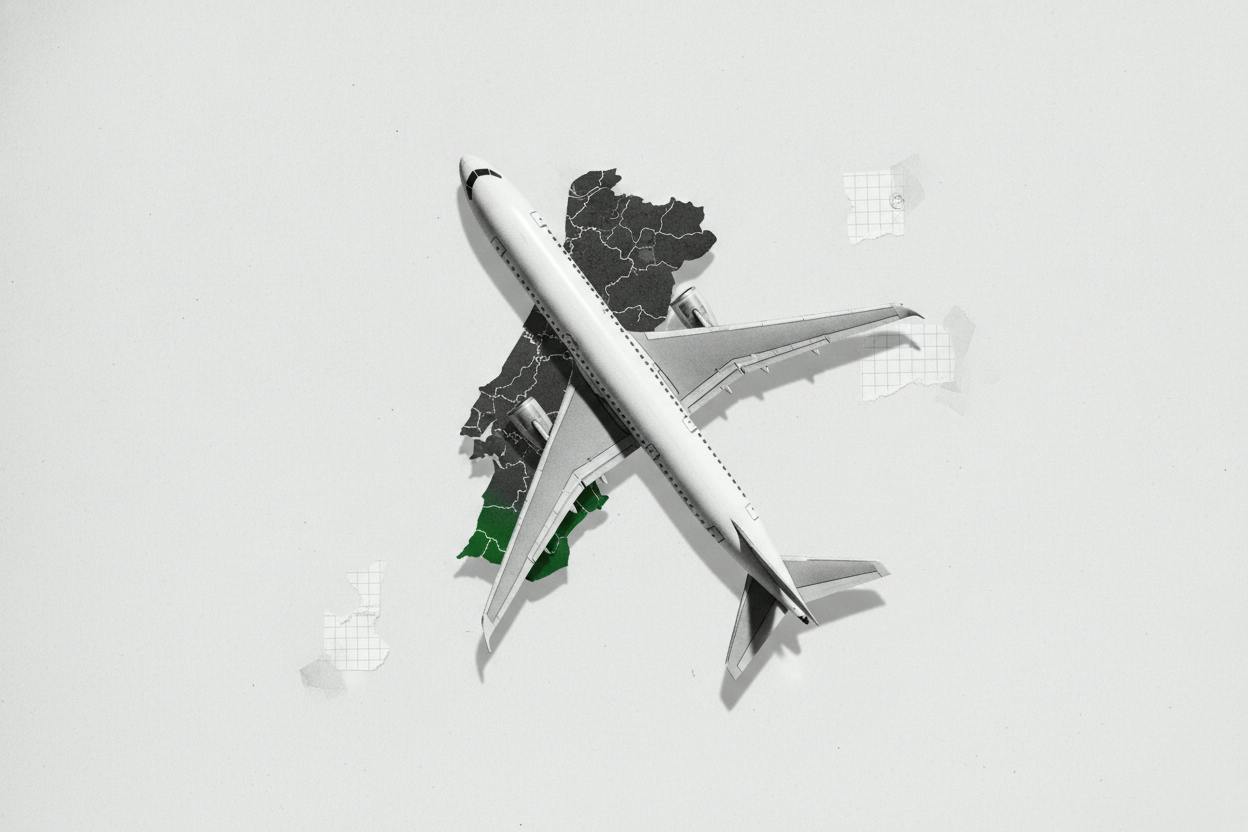
Portugal is expected to name a preferred bidder for its state-owned airline TAP after a cabinet meeting, with reports from Bloomberg and Portuguese outlet SIC Notícias indicating that Deutsche Lufthansa could secure a stake of up to 44.9%. The move would mark a major step in the country's long-running effort to privatise the carrier.
What's happening
The Portuguese government has been weighing bids for TAP for months, with Air France-KLM also in the running. According to the latest reports, Lufthansa has emerged as the frontrunner, potentially taking a minority stake just under the 50% threshold that would trigger full control rules. The exact terms of the deal are still unclear, but a preferred bidder designation would signal the start of exclusive negotiations.
TAP is a key player in transatlantic travel, with a strong network linking Europe to Brazil, Africa, and North America. Its hub in Lisbon is strategically located for connecting flights, making it an attractive asset for any major European airline group.
Why Lufthansa wants TAP
For Lufthansa, which already owns Swiss, Austrian, and Brussels Airlines, adding TAP would expand its reach into southern Europe and the fast-growing Latin American market. TAP's strong position on routes to Brazil is particularly valuable, as that market has seen steady demand growth.
The deal would also give Lufthansa a bigger share of the competitive transatlantic market, where it already partners with United Airlines. A stake in TAP could help the German group compete more effectively against rivals like Air France-KLM and IAG, the parent of British Airways and Iberia.
This is not the first time Portugal has tried to sell TAP. Previous attempts have stalled over political disagreements and concerns about job losses and route cuts. The current government appears more determined to push the sale through, partly to raise funds and partly to improve the airline's efficiency.
What it means for investors
For everyday investors, the key takeaway is that this deal could reshape the European airline landscape. If Lufthansa wins, it would strengthen its position in a market that is still recovering from the pandemic and facing rising fuel costs and labour shortages.
Investors in Lufthansa shares may see this as a positive step, as TAP could bring new revenue streams and cost synergies. However, integrating another airline is never easy, and past mergers in the sector have faced regulatory hurdles and operational challenges.
For Portugal, selling a stake in TAP would bring in much-needed cash and reduce the state's exposure to a volatile industry. The government has said it wants to retain a strategic interest, which is why the stake is capped at 44.9% for the buyer.
The broader context is that European airlines are consolidating as they seek scale to compete with low-cost carriers and Gulf rivals. This deal is part of that trend, similar to other recent moves in the sector. Investors should watch how regulators respond, as competition authorities may demand concessions on routes or slots.
What to watch next
The cabinet meeting is the immediate catalyst. If a preferred bidder is named, the next steps will be due diligence and final negotiations, which could take months. Any deal will also need approval from the European Commission.
For investors, the key dates to watch are the formal announcement, any regulatory filings, and the final terms of the stake sale. The price Lufthansa pays will be crucial, as overpaying could hurt its returns.
In the meantime, the airline industry continues to face headwinds from rising inflation, which affects fuel costs and consumer demand. Higher interest rates also make financing deals more expensive, which could influence the final offer.
Portugal's broader privatisation push is also worth noting. The government has been selling stakes in other state assets, such as energy grid operator REN, as part of a wider strategy to reduce debt and attract foreign investment.
For now, the market will be watching the cabinet decision closely. A Lufthansa win would be a significant development for European aviation, and for investors it could signal further consolidation ahead.