Chinese robotics startup Lumos Robotics is preparing for another fundraising round and a possible stock-market listing next year, but its founder says the company won't rush to go public until its factory robots prove they can deliver real savings and run reliably at scale.
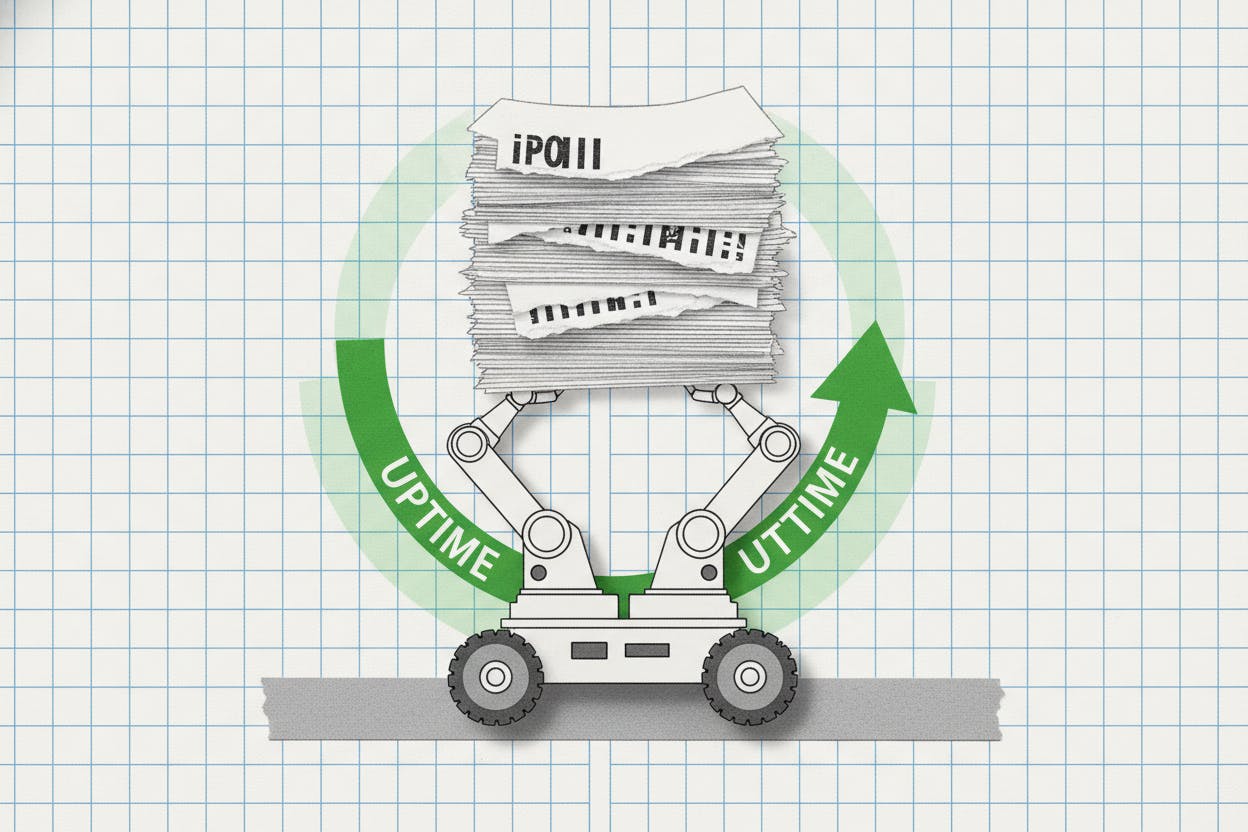
Speaking ahead of the World Robot Conference in Beijing, founder and CEO Yu Chao told Reuters that the hype phase of humanoid robot "stunts" is fading. The competition, he said, is shifting to industrial deployments that keep working for long stretches and provide a clear return on investment — meaning how quickly the cost savings pay back the upfront expense.
Lumos, founded in 2024, has already raised multiple funding rounds totaling about [amount not specified in brief]. The company's MOS 2 machines are designed for factory settings, where reliability and cost efficiency matter more than flashy demonstrations.
Why the shift to factory proof matters
The robotics industry has seen a wave of excitement around humanoid robots that can walk, dance, or perform tricks. But investors and manufacturers are increasingly asking a tougher question: can these machines do useful work day in and day out without breaking down?
Yu Chao's comments suggest Lumos is betting that the next phase of growth will come from boring, dependable performance rather than viral videos. For a factory owner, a robot that saves 20% on labor costs and runs 20 hours a day is worth far more than one that can do backflips but needs constant maintenance.
This focus on return on investment is a common theme in industrial automation. Companies that deploy robots typically want to see payback within a certain period — often one to three years — before they scale up. If Lumos can demonstrate that its MOS 2 machines meet that bar, it could attract both customers and investors.
What a possible IPO means
An initial public offering (IPO) is when a private company sells shares to the public for the first time, raising capital and giving early investors a way to cash out. For a young startup like Lumos, going public would be a major milestone, but it also brings scrutiny. Public companies must disclose financials, face quarterly earnings pressure, and answer to a broader shareholder base.
By waiting until the robots have proven themselves in factories, Lumos may be trying to avoid the fate of other tech companies that went public on hype and then struggled to meet expectations. The company's cautious approach could appeal to investors who are tired of overhyped robotics stories.
However, the timing of any IPO will also depend on broader market conditions. Chinese stocks have recently slipped as the AI rally cools, and global markets have been volatile amid geopolitical tensions. A weak market could delay listing plans, even for a company with solid fundamentals.
What it means for investors
For everyday investors, the key takeaway is that Lumos is prioritizing substance over spectacle. The company's success will hinge on whether its MOS 2 robots can actually reduce costs and operate reliably in real-world factories. If they can, the company could be well-positioned for growth. If not, the IPO may be delayed or underwhelm.
Investors should also note that robotics is a capital-intensive business. Startups often burn through cash before turning profitable, and Lumos will need continued funding to scale. The upcoming fundraising round will be a test of investor confidence.
It's also worth remembering that robotics companies often face partnership and contract risks, as seen with Serve Robotics' recent deal changes. Lumos will need to secure long-term customers to justify its valuation.
Finally, the broader robotics sector is competitive, with players in China and elsewhere racing to dominate industrial automation. Tech giants like Alibaba are also investing heavily in AI and robotics, which could intensify competition.
For now, Lumos appears to be taking a measured approach. By proving its robots work before listing, it hopes to attract investors who value results over hype. Whether that strategy pays off will become clearer over the next year.