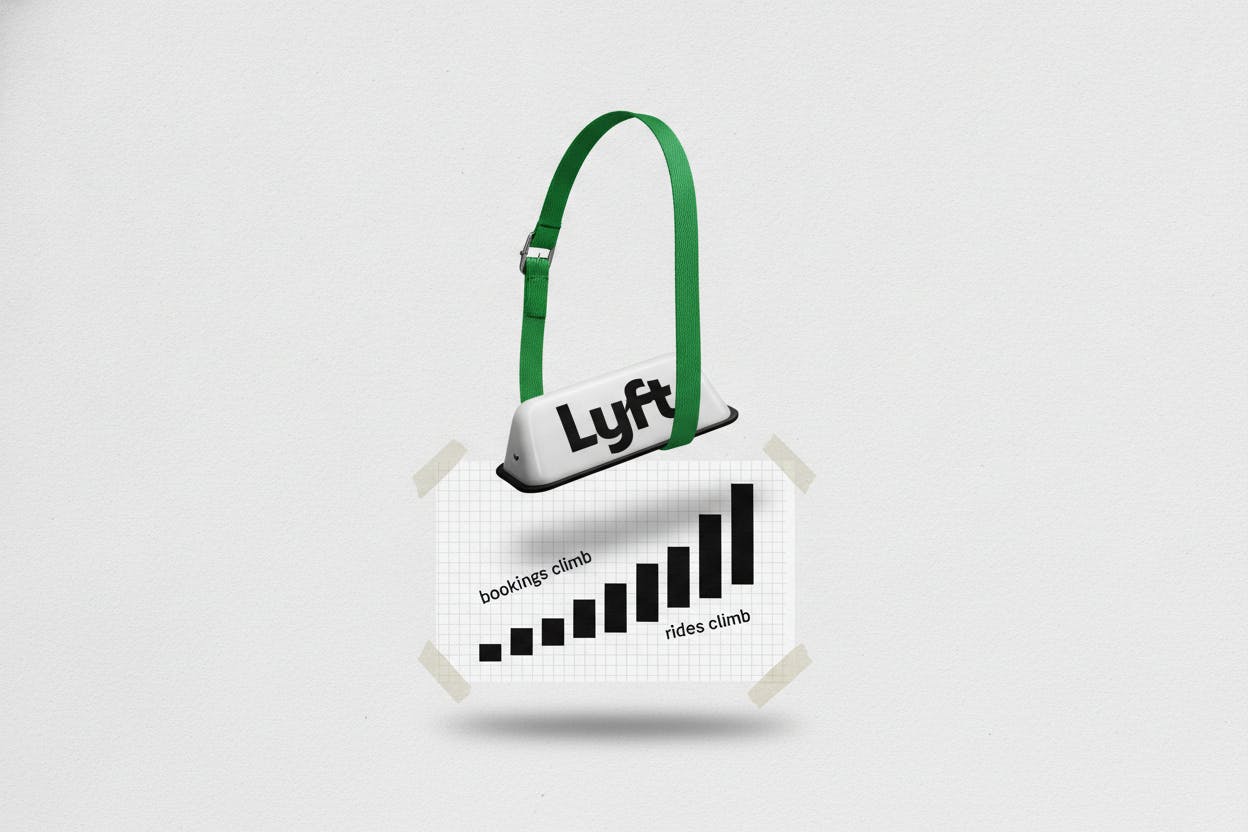
Lyft's second-quarter results are winning over at least one Wall Street firm. RBC Capital Markets lifted its price target on the ride-hailing company to $20 from $18, pointing to strong growth in gross bookings and a boost from World Cup-related airport travel.
The move comes after Lyft reported what RBC described as "solid" quarterly numbers. Gross bookings—the total value of rides and other services booked through the app before fees and driver payouts—rose 23% to $5.5 billion. That pace of growth suggests demand for ride-hailing remains healthy even as consumers watch their spending more carefully.
Why World Cup travel matters
RBC specifically called out airport demand tied to the FIFA World Cup, which is being held in the United States, Canada, and Mexico this summer. Major sporting events typically drive spikes in travel, and ride-hailing platforms like Lyft are often the first choice for getting to and from airports, hotels, and stadiums.
For Lyft, airport rides are a high-value segment. They tend to be longer trips, which means higher fares and more revenue per ride. A surge in such trips can lift overall bookings even if the number of everyday commuter rides stays flat.
This is not the first time a major event has given Lyft a tailwind. The company has historically seen demand jump around holidays, conferences, and large-scale events. But the World Cup is unique in its scale and duration, spanning weeks and drawing visitors from around the globe.
What the price target change means
RBC's new $20 price target is not a guarantee of where Lyft's stock will go. It's simply the firm's estimate of what the shares are worth based on its analysis. The increase from $18 to $20 reflects a more optimistic view of Lyft's growth prospects and profitability.
For everyday investors, a price target change is a signal, not a command. It tells you that one professional analyst sees more upside in the stock than they did before. But analysts can be wrong, and their targets are often based on assumptions that may not hold up.
Lyft has been in a competitive battle with larger rival Uber for years. The company has worked to cut costs, improve driver supply, and expand into new areas like advertising and autonomous vehicles. Those efforts appear to be paying off, but the ride-hailing market remains fiercely competitive.
What it means for investors
For investors, the key takeaway is that Lyft's business is growing at a healthy clip. A 23% increase in gross bookings is a strong number, especially in a period when many consumer-facing companies are seeing slower growth as inflation and higher interest rates weigh on spending.
However, growth alone doesn't make a stock a buy. Investors should also consider Lyft's profitability, its cash flow, and how it plans to sustain momentum once the World Cup ends. The company has made progress on profitability, but it still faces challenges, including regulatory pressures and the need to keep driver pay competitive.
RBC's move is part of a broader pattern on Wall Street, where analysts are adjusting their outlooks for companies that have reported better-than-expected quarters. Similar shifts have happened recently with other consumer and tech names, as investors look for signs that the economy can keep growing without slipping into recession.
For those who already own Lyft shares, the RBC upgrade is a positive sign. For those considering buying, it's worth remembering that price targets are just one piece of the puzzle. Doing your own research on the company's financials, competitive position, and long-term strategy is always a good idea.
As always, past performance and analyst opinions are not guarantees of future results. The ride-hailing industry is dynamic, and Lyft's fortunes can change quickly with shifts in consumer behavior, fuel prices, or regulation.
In the meantime, the World Cup is providing a temporary boost, and RBC believes the company's underlying momentum is strong enough to warrant a higher valuation. Whether the stock reaches that target will depend on how Lyft performs in the months ahead.