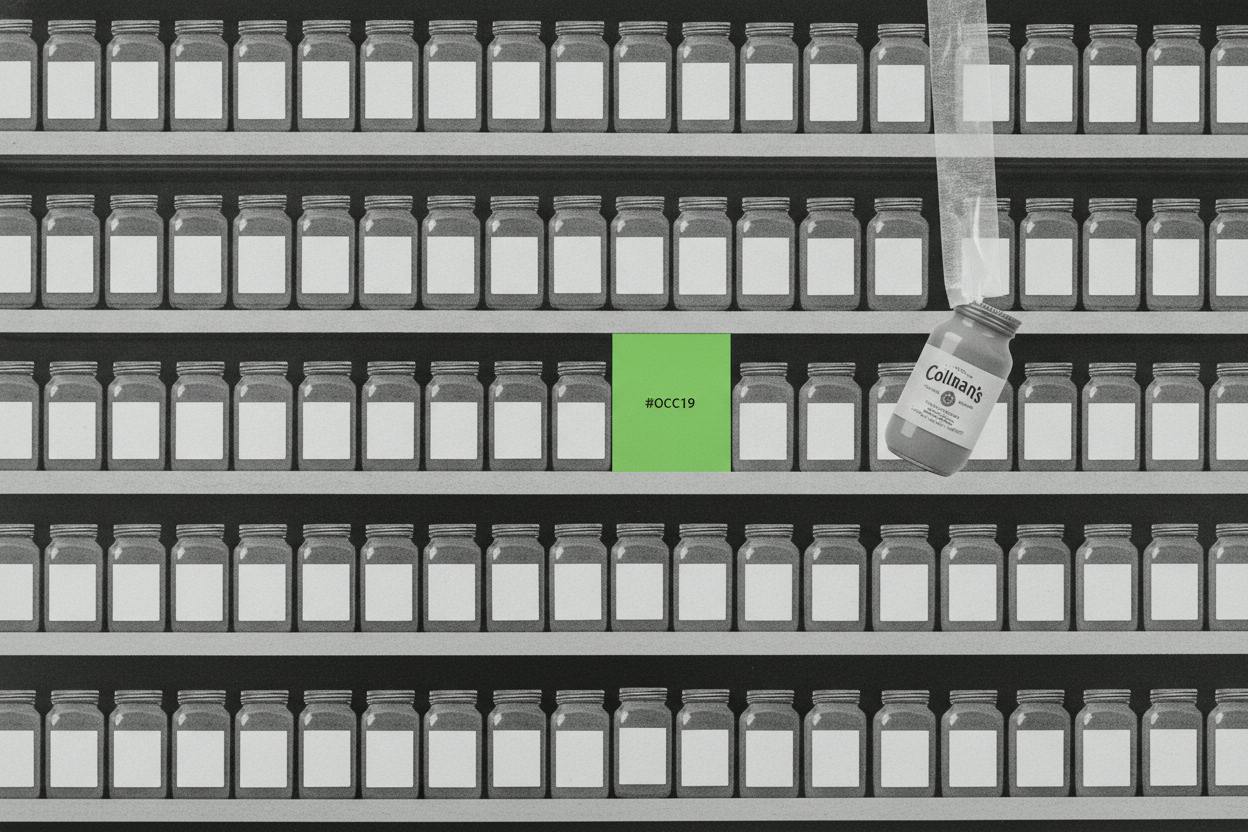
McCormick, the US spices and flavorings giant, has offered to sell the Colman's brand in an effort to secure regulatory approval for its acquisition of Unilever Foods' dry mixes and sauces business. The UK's Competition and Markets Authority (CMA) said the proposed divestment "has the potential to resolve our concerns," signaling a possible path forward for the deal, which was announced in March.
Why the regulator was worried
The CMA's concern centers on the overlap between McCormick and Unilever Foods in two specific UK categories: dry ingredient mixes (such as chili seasoning) and dry sauces (like parsley sauce). Together, the two companies would become the dominant players in these niches, leaving only a handful of smaller rivals. The regulator believes those remaining competitors would do "only a limited" job of keeping prices in check and ensuring supermarkets keep shelf space competitive.
Part of the problem, the CMA noted, is that new entrants would struggle to gain a foothold. Supermarkets have limited shelf space, and established brands already occupy the prime spots. That makes it unlikely that fresh competition would emerge quickly enough to offset the loss of rivalry from the merger.
A classic merger remedy
McCormick's offer to sell Colman's is a textbook example of a divestment remedy. The idea is simple: by selling off a brand that overlaps with the merged company's portfolio, a buyer can step in and recreate the competitive pressure that would otherwise be lost. If the remedy works, the CMA can approve the deal without blocking it outright.
But the regulator isn't ready to sign off just yet. The CMA said it still needs to test whether the carved-out business would be viable on its own and whether a buyer would genuinely keep the pressure on the merged company. That means examining things like the brand's market position, its distribution network, and whether a prospective buyer has the resources and incentives to compete effectively.
What this means for investors
For investors, the CMA's openness to a Colman's sale is a positive sign. When a regulator starts talking about whether a proposal can "resolve" its concerns, the conversation shifts from "should we block this?" to "does the fix restore competition?" That tends to increase the odds of approval, which matters for both McCormick's timeline and for event-driven traders who bet on deal outcomes.
However, there's a tradeoff. The more McCormick has to sell off overlapping brands, the less pricing power and cost-saving "synergies" it can keep in the UK categories that worried the CMA most. In other words, a divestment can improve the chances of completion while shrinking what the market expected the merger to deliver in that part of the business.
This dynamic is common in merger reviews. Companies often agree to sell assets to win approval, but the concessions can reduce the financial benefits of the deal. For McCormick, the UK dry mixes and sauces segment may end up being a smaller prize than originally anticipated.
Broader context
The McCormick-Unilever deal is part of a wave of consolidation in the food industry, where companies are looking to streamline portfolios and focus on high-growth categories. Regulators, meanwhile, are paying closer attention to how such deals affect competition in specific product markets, even when the overall market seems diverse.
The CMA's approach here mirrors its scrutiny of other recent deals, where it has demanded remedies to protect consumers. For example, in other sectors, regulators have required companies to sell off assets or license technology to address competition concerns. The outcome of this case will be watched closely by other companies considering similar transactions.
What's next
The CMA will now consult on McCormick's proposed remedy, inviting feedback from interested parties. It will also assess whether the divestment package is sufficient to restore competition. If the regulator is satisfied, it could clear the deal with conditions. If not, the merger could face a more prolonged review or even a block.
For everyday investors, the key takeaway is that regulatory hurdles can shape the value of a deal. While a divestment may smooth the path to approval, it also means the merged company will have to give up some of the very assets that made the deal attractive in the first place. As always, the devil is in the details—and in this case, the details are in the fine print of the CMA's review.