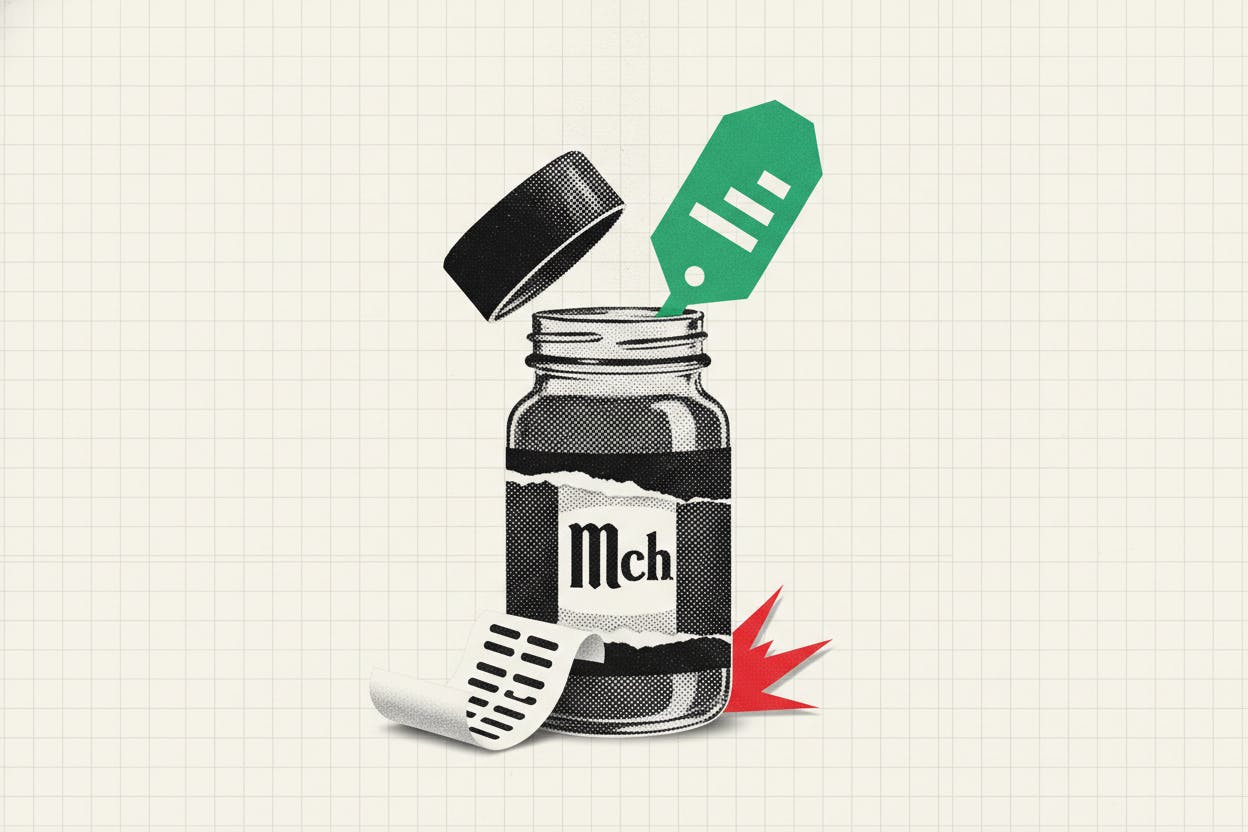
McCormick, the company behind Cholula hot sauce and Stubb's barbecue rubs, delivered a quarterly profit that beat Wall Street's expectations, showing that even as inflation eases, consumers are still willing to pay up for flavor at home. But the results also came with a warning: demand in the US is softening, and the company faces cost pressures tied to the Middle East conflict.
Higher Prices Drove the Beat
For the quarter, McCormick reported revenue of $1.94 billion, up 16.7% from a year earlier. Adjusted earnings came in at 80 cents per share, well above the 69 cents analysts had expected, according to LSEG data. The main driver: price increases. The company raised prices by 2.2% across its portfolio, while volumes—the actual number of products sold—fell by 0.5%. That combination helped lift adjusted gross profit nearly 25% to $778.2 million, even as commodity costs remained elevated.
This is a familiar story in the food industry right now. Companies like McCormick have been passing higher input costs on to shoppers, and so far, many have absorbed the increases. But the slight dip in volumes suggests that some consumers may be starting to push back, especially in categories where cheaper store-brand alternatives are available.
One-Time Tailwinds and Ongoing Risks
McCormick's profit also got a boost from a $28 million tariff refund that reduced its cost of goods sold. Management said it expects an additional $3 million in refunds this year and plans to use that benefit to offset higher costs tied to the Middle East conflict. That's a reminder that not all of the quarter's strength came from underlying business momentum.
For investors, this raises a question about earnings quality. When a company beats profit forecasts partly because of a one-time event like a tariff refund, analysts tend to look past it and focus on whether the core business is improving. In McCormick's case, the core business is showing mixed signals. The company reaffirmed its full-year outlook: sales growth of 13% to 17% and adjusted earnings of $3.05 to $3.13 per share. But it also acknowledged a less certain demand backdrop in the US.
That matters because price-led growth has limits. If shoppers start trading down to cheaper brands or simply buy less, McCormick will need to rely on volume growth to hit its targets. Right now, volumes are slightly negative, so the second half of the year will be critical.
What It Means for Investors
McCormick's stock may get a short-term lift from the earnings beat, but the market will likely focus on the sustainability of its profit growth. The $28 million tariff refund is a one-time benefit that won't repeat, so analysts will be watching whether demand improves enough to support the company's earnings guidance once that easy cost help fades.
Another factor to watch is the broader economic backdrop. If US consumer spending softens further, companies like McCormick that sell pantry staples could face headwinds. On the other hand, if home cooking remains popular—a trend that accelerated during the pandemic and has persisted—McCormick could continue to benefit. The company's portfolio of brands, including Cholula, Stubb's, and its namesake spices, gives it a strong position in the at-home cooking market.
For context, the broader market has been navigating a mixed environment. The US dollar has edged higher as traders brace for a wave of economic data and Federal Reserve remarks, which could influence consumer spending patterns. Meanwhile, corn futures have slid for five straight days, partly due to oil weakness and a strong dollar, which could eventually feed into lower input costs for food companies like McCormick.
Ultimately, McCormick's quarter shows that pricing power still works, but it's not a magic wand. The company needs to get more products moving off shelves to sustain its profit growth. Investors will be watching the next few quarters closely to see if that happens.