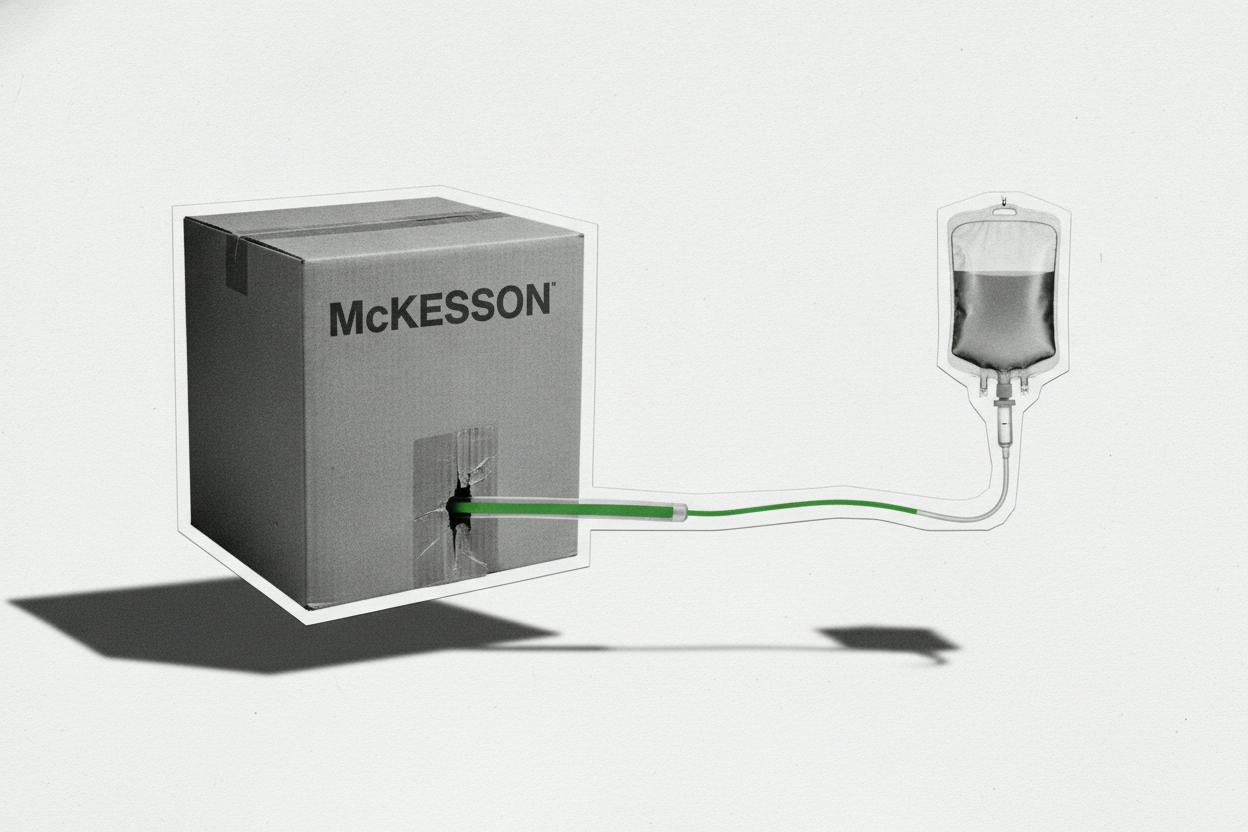
McKesson, one of the largest U.S. drug distributors, and private equity firm Clayton Dubilier & Rice (CD&R) are closing in on a deal to take Option Care Health private, according to a report from the Financial Times. The acquisition is said to be worth more than $5 billion including debt, and would significantly expand McKesson's footprint in home infusion care.
News of the potential transaction sent Option Care Health shares up 21% in extended trading, reflecting investor optimism that a deal could be finalized. Option Care Health is a leading provider of home and alternate-site infusion services, delivering intravenous therapies to patients outside of traditional hospital settings.
What is home infusion care?
Home infusion care involves administering medications—such as antibiotics, nutrition, or specialty drugs—directly to patients in their homes or in outpatient clinics. This model has grown in popularity as healthcare systems look to reduce hospital stays and lower costs. For McKesson, which already has a distribution network and a presence in specialty health services, adding Option Care would deepen its role in this fast-growing segment.
The deal would be a take-private transaction, meaning Option Care would cease to be a publicly traded company and be owned by McKesson and CD&R. Private equity firms often partner with strategic buyers to finance large acquisitions, and CD&R has a history of healthcare investments.
Why does this matter to investors?
For McKesson shareholders, the deal represents a strategic bet on the future of outpatient care. Home infusion is seen as a more cost-effective alternative to hospital care, and demand has been rising as the population ages and chronic conditions become more common. By acquiring Option Care, McKesson could capture more of the revenue from these therapies, rather than just distributing the drugs.
However, the price tag of more than $5 billion is significant, and McKesson will need to ensure the acquisition delivers value. Investors will be watching how the company finances the deal—whether through cash, debt, or a combination—and whether it dilutes earnings in the near term.
For Option Care shareholders, the 21% jump in after-hours trading suggests the market sees a high probability of a deal at a premium to the current share price. But until a formal announcement is made, there is still uncertainty. Deals can fall apart over financing, regulatory hurdles, or disagreements on price.
Broader context
The potential acquisition comes amid a wave of consolidation in healthcare services. Companies are seeking scale to negotiate better prices with drugmakers and insurers, and to offer more integrated care solutions. McKesson's move also aligns with a broader trend of distributors expanding into higher-margin services beyond simple drug distribution.
It's worth noting that McKesson has been active in M&A recently, and this deal would follow a pattern of strategic acquisitions to bolster its specialty and oncology businesses. The company has also been investing in technology and data analytics to improve supply chain efficiency.
For everyday investors, this news is a reminder that healthcare is a dynamic sector with ongoing deal-making. While individual investors may not be able to buy into Option Care at the pre-deal price, they can gain exposure through McKesson or broader healthcare funds. As always, it's important to consider how any acquisition might affect a company's balance sheet and growth prospects.
What to watch next
Investors should look for official confirmation from McKesson and CD&R, as well as details on the financing structure and expected closing timeline. Regulatory approvals may also be required, which could take several months. Any changes in the deal terms or delays could affect the stock prices of both companies.
In the meantime, the market's reaction to the news—Option Care's shares jumping 21%—shows that investors are betting on a successful outcome. But as with any M&A story, there are no guarantees until the ink is dry.