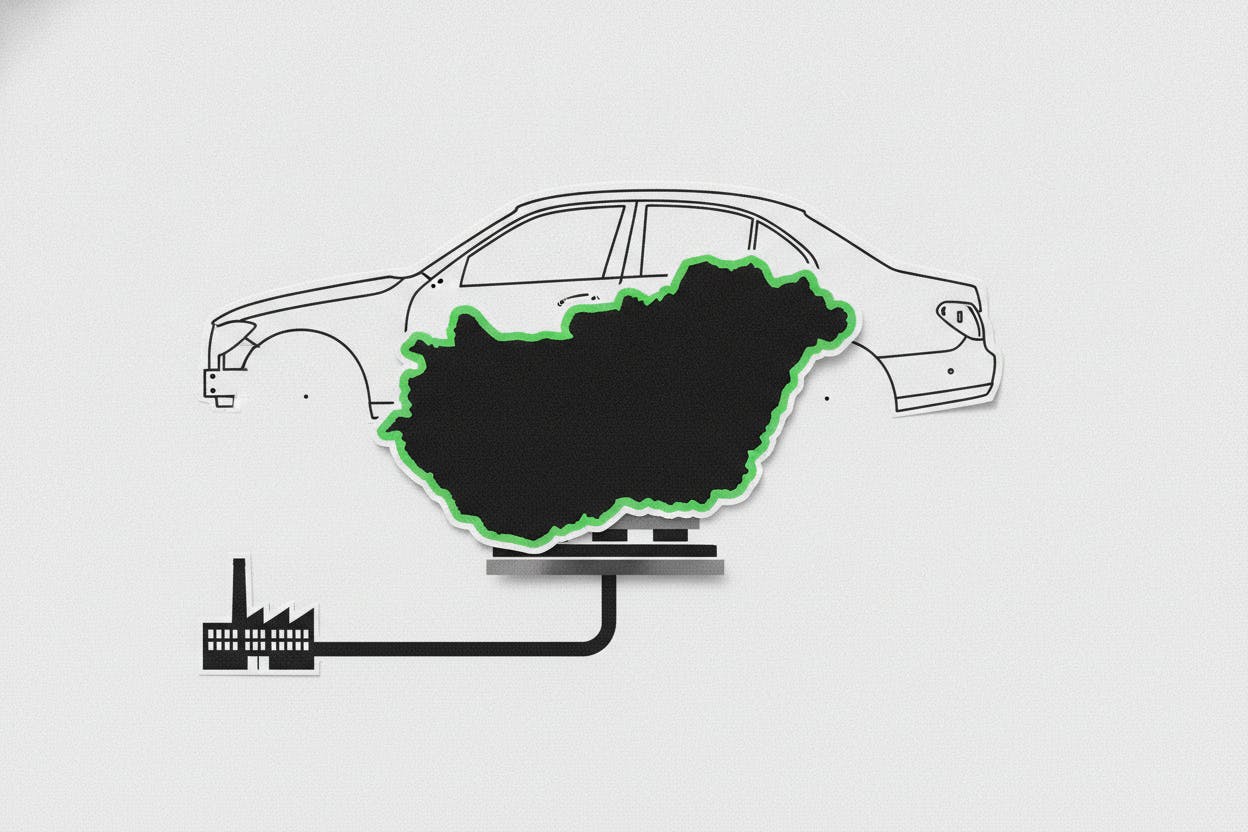
Mercedes-Benz is investing €1 billion to double production at its Kecskemet plant in Hungary, adding three new electric models to the lineup as the automaker navigates a fiercely competitive EV market. The expansion will make Kecskemet the company's largest factory in Europe, a move that underscores the pressure on legacy automakers to scale up electric vehicle manufacturing while keeping costs under control.
What's Happening
The German luxury carmaker plans to double output at the Kecskemet site, which will now build the electric versions of the C-class sedan, the GLC SUV, and a smaller electric G-class SUV. These models are among Mercedes-Benz's best-selling nameplates, and electrifying them is central to the company's strategy to transition its lineup to battery power while maintaining its premium positioning.
The investment also includes a "flexible production" system that links the Hungarian plant with Mercedes-Benz's German factories. This setup allows the same models to be shifted between locations depending on demand or supply chain disruptions, giving the company more agility in a market where EV sales can swing sharply from month to month.
Why It Matters
Automakers are racing to build EV production capacity, but the path has been uneven. While some markets, like China and Europe, have seen strong EV adoption, others have been slower, and price wars—especially from Chinese competitors like BYD—have squeezed margins. By expanding in Hungary, Mercedes-Benz gains access to lower manufacturing costs compared to Germany, while staying inside the European Union, avoiding tariffs that could apply to imports from outside the bloc.
The flexible production approach is also a hedge against uncertainty. If demand for a particular electric model softens, the company can adjust production across plants without idling an entire factory. This is a practical response to the volatility that has plagued the EV transition, where automakers have sometimes been caught with too much capacity for models that aren't selling as expected.
What It Means for Investors
For investors, this move signals that Mercedes-Benz is doubling down on its EV strategy despite the headwinds. The company is betting that its premium brand and flexible manufacturing will help it compete against both traditional rivals like BMW and Audi and newer entrants like Tesla and Chinese EV makers.
The investment also highlights the importance of cost discipline. By expanding in Hungary rather than Germany, Mercedes-Benz is keeping production costs lower, which could help protect profit margins even as it spends heavily on electrification. Investors should watch how the company balances these investments with its profitability targets, especially as the broader auto industry faces rising raw material costs and potential trade disruptions.
In the broader context, this is part of a wave of capital spending by automakers to retool factories for EVs. Similar moves have been seen across the industry, from Ford's restructuring in Europe to Volkswagen's battery plants. The success of these investments will depend on how quickly EV demand grows and whether companies can achieve the scale needed to make electric cars profitable.
For everyday investors, the key takeaway is that Mercedes-Benz is making a long-term bet on EVs, but it's doing so with a flexible approach that acknowledges the uncertainty. The company's ability to shift production between plants could give it an edge if the market evolves differently than expected. As always, it's worth monitoring quarterly earnings and sales data for the new electric models to see if the strategy is paying off.
Meanwhile, other major capital moves are reshaping industries. For example, BHP is eyeing a $1.5–$2 billion asset sale in Chile to sharpen its focus on copper, a metal critical for EVs and renewable energy. And in the tech sector, Meta's Iris chip production is set for September as AI computing capacity doubles, showing how different industries are investing heavily in future technologies.
Mercedes-Benz's €1 billion commitment is a clear signal that the company sees EVs as its future, but it's also a reminder that the transition will require massive capital and careful execution. Investors will be watching closely to see if the bet pays off.