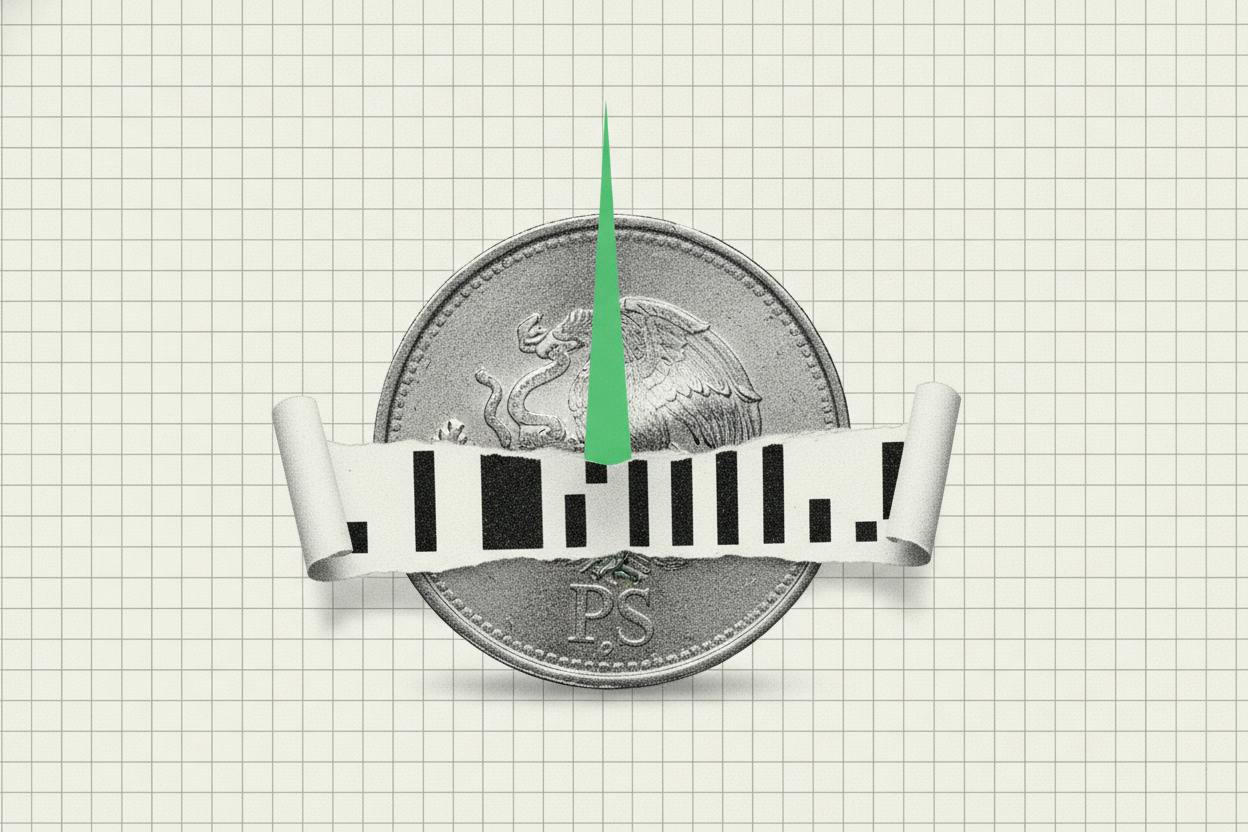
Mexico's inflation is heating up again, and that's putting the country's central bank in a tricky spot. Consumer prices rose 3.75% in October compared with a year earlier, according to official data reported by Reuters. That's a faster pace than September's 3.45% and slightly above the 3.65% that economists had forecast.
The pickup marks the third consecutive month of accelerating inflation, and it comes right after Banxico—Mexico's central bank—cut its benchmark interest rate to 6.25% and described the move as a "one-time adjustment." That phrasing was meant to signal that policymakers weren't starting a cycle of aggressive easing. But the new inflation numbers raise questions about whether that stance can hold.
Core inflation also ticks up
Digging into the details, the picture is mixed but leans toward stickier price pressures. Core inflation, which strips out volatile food and energy prices and is closely watched as a measure of underlying trends, also edged higher. It rose to 3.8% in October from 3.70% in September, coming in slightly above expectations.
Core inflation is often seen as a more reliable gauge of where prices are headed because it filters out the noise of things like gasoline and fresh produce, which can swing wildly from month to month. When core inflation keeps climbing, it suggests that price pressures are becoming more broad-based and harder to shake off.
The fact that both headline and core measures accelerated is a warning sign for Banxico. It suggests that the recent slowdown in inflation may have stalled, and that the central bank's job of keeping prices under control is far from over.
Why this matters for investors
For everyday investors, the key question is what this means for interest rates in Mexico—and for the peso and Mexican assets. When inflation runs hot, central banks typically respond by keeping rates higher for longer, or even raising them. That can make borrowing more expensive for businesses and consumers, which can slow economic growth.
But it can also make a country's currency more attractive to foreign investors, because higher interest rates offer better returns on investments like government bonds. So the immediate market reaction to this inflation data could be mixed: higher inflation is bad for growth prospects, but it might also mean Banxico won't cut rates again soon, which could support the peso.
Banxico's "one-time adjustment" language was clearly designed to manage expectations. The central bank wanted to reassure markets that it wasn't about to embark on a rapid series of cuts that could reignite inflation. But with inflation now running above forecasts, that message is being tested.
Investors will be watching Banxico's next policy meeting closely for any hints about the future path of rates. If inflation continues to surprise to the upside, the central bank may have to walk back its dovish tone and keep rates on hold for longer than previously expected.
For those with exposure to Mexican stocks, bonds, or the peso, the takeaway is to expect some volatility. Inflation data like this can shift market sentiment quickly, and the central bank's response will be crucial.
It's also worth noting that Mexico isn't alone in facing inflation challenges. Around the world, central banks are grappling with how quickly to ease monetary policy as price pressures prove stubborn. The situation in Mexico is a reminder that the fight against inflation is rarely a straight line.
In the coming weeks, investors will likely focus on any additional inflation readings and on comments from Banxico officials. The central bank's next move—whether it holds rates steady or surprises with another cut—will be a key signal for markets.
For now, the message from the data is clear: Mexico's inflation problem isn't fully solved, and that means the central bank's job is far from done.