Memory chip prices are on the rise again, and Wall Street thinks the rally has more room to run. Analysts at RBC Capital Markets say AI-driven demand for DRAM—the type of memory used in computers and servers—is still outpacing what suppliers can produce. As a result, contract prices for DRAM are tracking toward a jump of more than 20% in the third calendar quarter, according to the bank.
That's a big move for a commodity-like product that investors often watch as a barometer for the tech cycle. DRAM prices had been in a slump for much of the past two years, but the explosion of AI data centers has flipped the market into shortage mode.
Why AI is so hungry for memory
The latest wave of AI buildouts is more memory-intensive than earlier ones, RBC notes. The bank points to the rise of “agentic AI”—systems that can carry out longer, more complex chains of tasks on their own. These systems need to hold more data in memory for longer periods, which drives up demand for DRAM chips.
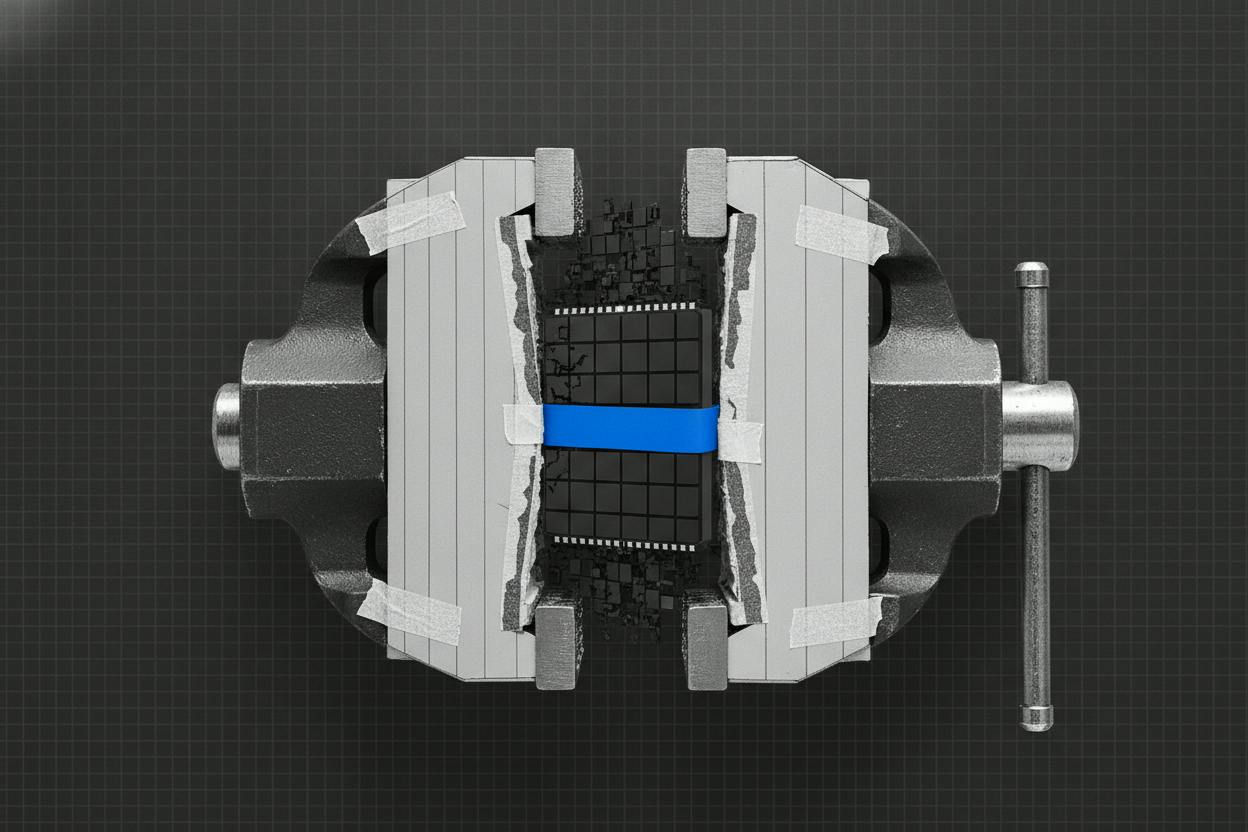
At the same time, supply can't ramp up quickly. RBC highlights several bottlenecks: clean-room capacity is tight, access to extreme ultraviolet (EUV) lithography tools—the advanced machines used to make cutting-edge chips—is limited, and a large chunk of production is being diverted to high-bandwidth memory (HBM), a premium type of memory used in AI servers. HBM is more profitable for makers like Micron, SK Hynix, and Samsung, so they're allocating capacity there, leaving less for traditional DRAM.
That combination—strong demand and constrained supply—is a classic recipe for price increases. RBC's forecast of a 20%-plus quarter-over-quarter jump in DRAM contract prices is a notable acceleration from the already firm pricing seen earlier this year.
What this means for investors
For investors, the DRAM price surge is a double-edged sword. On one hand, it's a clear positive for memory chip makers. Micron, one of the world's largest DRAM producers, stands to benefit directly from higher prices. The company's fiscal year ends in late August, so the Q3 calendar quarter roughly aligns with its fiscal Q4—a period that could see a significant revenue and margin boost.
Higher DRAM prices also tend to lift the entire memory sector, including suppliers of equipment and materials used in chip production. Companies that make the tools needed to expand clean-room capacity or EUV lithography could see increased orders as manufacturers race to add supply.
On the other hand, rising memory costs are a headwind for companies that buy DRAM in bulk—PC makers, smartphone manufacturers, and data center operators. If DRAM prices stay elevated, these companies may face margin pressure or pass costs on to consumers, which could dampen demand for electronics down the line.
For everyday investors, the key takeaway is that memory chips are a cyclical business. When prices are rising, it can be a powerful tailwind for the stocks of chip makers. But cycles turn, and today's shortage could become tomorrow's glut if suppliers eventually bring new capacity online.
RBC's view aligns with a broader theme in the market: AI is driving demand for a wide range of hardware, from AI-driven stock rallies to the physical components that power them. Investors have been watching whether the AI boom can sustain its momentum, and memory pricing is one of the clearest signals that it's still going strong.
That said, the memory market is also sensitive to the broader economy. If growth slows or interest rates stay high, demand for electronics could weaken, and DRAM prices could reverse. For now, though, RBC's analysis suggests the shortage is real and likely to persist through at least the next quarter.
What to watch next
Investors will be watching Micron's next earnings report for confirmation of the price trend. The company typically provides guidance on pricing and demand, and any commentary on DRAM contract prices will be closely scrutinized.
Also worth tracking: the pace of AI infrastructure spending. If big tech companies continue to pour money into data centers, memory demand will stay strong. But any sign of a pullback could quickly change the narrative.
For now, the memory chip market is in a sweet spot for producers—and a challenging one for buyers. As RBC's note suggests, the AI memory crunch is far from over.