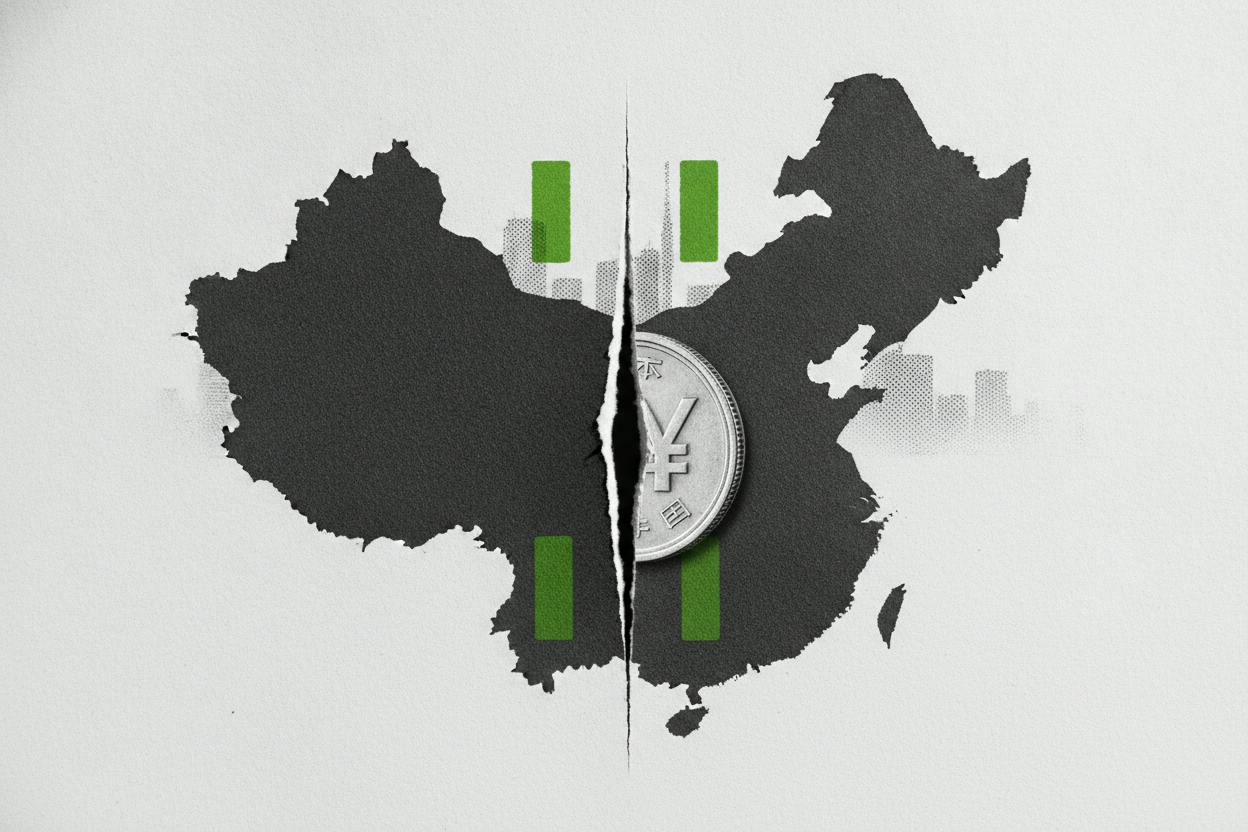
Japan's Mizuho Financial Group and Daiwa Securities have moved closer to operating wholly owned brokerages in mainland China, after clearing key regulatory reviews, according to a Bloomberg report cited by Reuters. The approvals bring the two firms closer to a milestone that has eluded many foreign financial institutions for years: full control of a securities business in China.
For decades, foreign banks and brokers entering China were typically required to form joint ventures with local partners. Those structures often limited how much control a foreign firm had over day-to-day operations, and profits had to be shared. The new regulatory clearances suggest Mizuho and Daiwa are transitioning from having their applications approved on paper to actually receiving the operational go-ahead to open accounts, hire staff, and execute trades locally.
What this means for the firms
Mizuho, one of Japan's largest banks, has been building toward this for some time, including securing a securities license in China. Daiwa, a major Japanese brokerage, has also been expanding its presence in the region. For both, a wholly owned unit would give them greater flexibility to offer a full range of services—from underwriting and trading to wealth management—without needing to negotiate with a local partner on every decision.
The news comes as China has been gradually opening its financial markets to foreign participation, a process that has accelerated in recent years. However, the pace has been uneven, and some firms have found the regulatory path more challenging than expected.
Notably, Citi and Citadel Securities are still waiting for approvals for their own wholly owned brokerage units. That contrast highlights the selective nature of China's approach: while some applicants move forward, others remain in limbo, often due to factors like business model fit, capital requirements, and regulatory comfort with the firm's operations.
Why it matters for investors
For everyday investors, this development is a signal about the direction of China's financial opening. If Mizuho and Daiwa successfully launch their wholly owned brokerages, it could pave the way for more foreign entrants, potentially increasing competition and offering more choices for Chinese investors. It also reflects a broader trend of global financial firms seeking a bigger slice of China's vast capital markets.
For investors in Japanese financial stocks, the news is a positive sign that these firms are making tangible progress in a key growth market. However, the actual revenue impact will take time to materialize, as the new units will need to build a client base and navigate a competitive landscape dominated by large domestic players.
The approvals also come against a backdrop of mixed economic signals from China. Recent data showed China's third-quarter growth beating forecasts, but with exports doing much of the heavy lifting, suggesting domestic demand remains soft. That could affect how quickly the new brokerages can ramp up business.
Additionally, China's market watchdog has been tightening its risk watch as stocks slide, which could influence how regulators treat new entrants. A more cautious regulatory environment might slow the final approvals, but the fact that Mizuho and Daiwa have cleared this hurdle suggests they have satisfied the authorities' concerns.
What to watch next
The next step for Mizuho and Daiwa is to receive the final operational license, which would allow them to begin actual business activities. Investors should watch for official announcements from the firms or Chinese regulators confirming the launch.
For Citi and Citadel Securities, the wait continues. Their experiences will be a test of how open China truly is to foreign financial firms, especially those with significant trading and market-making operations.
In the broader context, this development is part of a larger story of China's financial integration with the rest of the world. As Asia's busy week unfolds, with central bank decisions and inflation data, the progress of foreign brokerages in China will remain a key theme for investors tracking the region's financial markets.
For now, the breakthrough for Mizuho and Daiwa is a notable step forward, but the real test will be whether they can turn regulatory approval into profitable operations in one of the world's most competitive and complex markets.