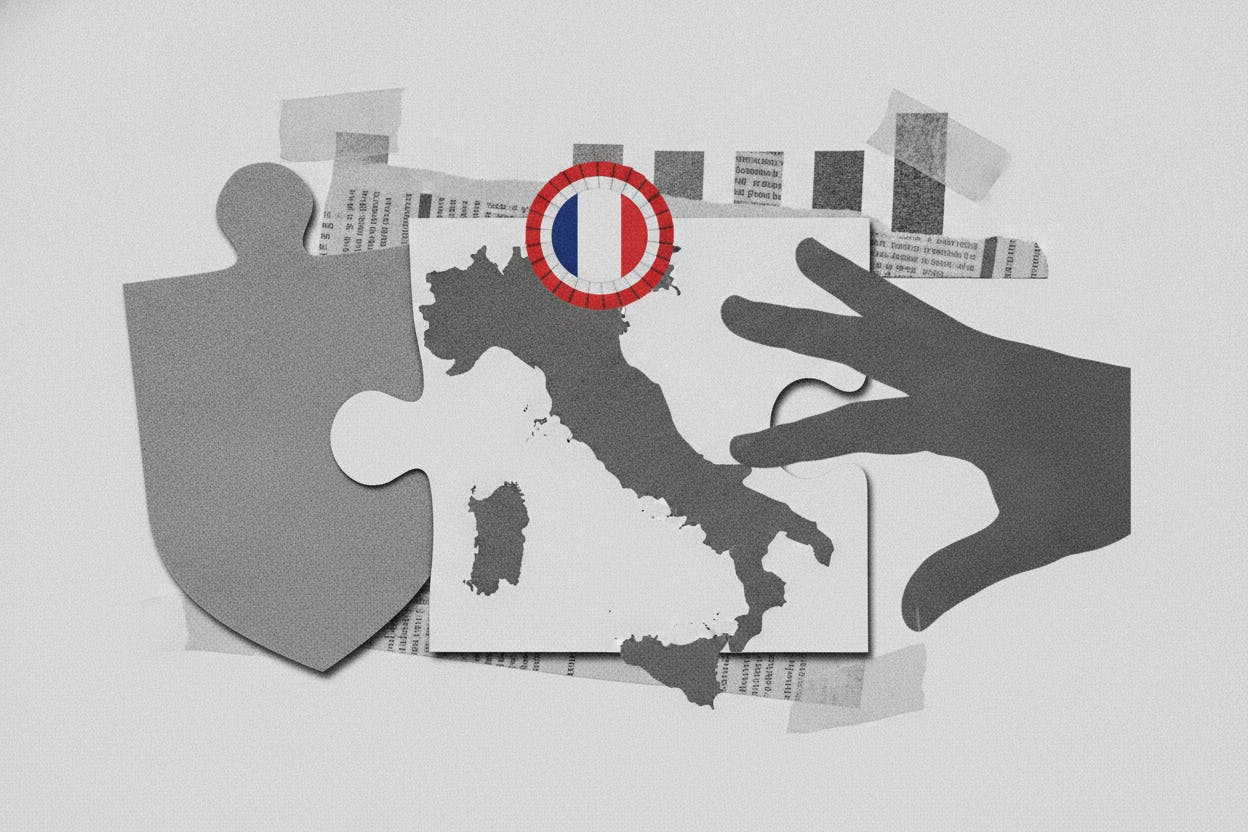
Italy's banking sector could be heading for a major shake-up. Banca Monte dei Paschi di Siena (MPS) is weighing a takeover of Banco BPM, a move aimed at keeping bigger rival Intesa Sanpaolo from expanding further, according to a Financial Times report citing people familiar with the matter.
The report, published Wednesday, said any tie-up between MPS and Banco BPM would likely require the backing of French lender Crédit Agricole, which currently holds a 29.3% stake in Banco BPM. That stake gives Crédit Agricole significant influence over any potential deal.
Why is MPS considering this move?
MPS, one of Italy's oldest banks, has been in turnaround mode for years after a series of bailouts and restructuring efforts. The bank has been looking to strengthen its position in the Italian market, and a combination with Banco BPM would create a larger, more competitive lender.
But the move is also defensive. Intesa Sanpaolo, Italy's largest bank, has been aggressive in pursuing growth, including raising its 2026 profit target to over €10 billion ahead of its own bid for MPS. If Intesa were to acquire MPS, it would further consolidate its dominance in Italy, leaving smaller players like Banco BPM more vulnerable.
By potentially merging with Banco BPM, MPS could create a bulwark against Intesa's ambitions, making it harder for the larger bank to swallow either of them. This is a classic defensive merger strategy, where two smaller players join forces to avoid being picked off by a bigger competitor.
The role of Crédit Agricole
Crédit Agricole's 29.3% stake in Banco BPM is a critical factor. The French bank has been a long-time partner of Banco BPM, and its support would be essential for any deal to proceed. Without Crédit Agricole's blessing, an MPS-Banco BPM merger would face significant hurdles.
Crédit Agricole could also be a potential rival bidder for Banco BPM itself, given its existing stake. However, the French bank has not publicly indicated any intention to launch a full takeover. Its role in any MPS-Banco BPM deal would likely be as a facilitator or a blocker, depending on its strategic interests.
What does this mean for investors?
For everyday investors, this news highlights the ongoing consolidation in European banking. Mergers and acquisitions in the sector can lead to cost savings and stronger balance sheets, but they also come with integration risks and regulatory scrutiny.
If an MPS-Banco BPM deal materializes, it could reshape Italy's banking landscape. Investors in these banks would need to watch how the deal is structured, including the exchange ratio and any premium offered. Regulatory approval from Italian and European authorities would also be a key hurdle.
For those holding shares in Intesa Sanpaolo, the news could signal increased competition, but also potential opportunities if the bank decides to pursue other targets. Intesa has already shown its appetite for growth, and analysts have been positive on its prospects after the bank raised its profit guidance.
Broader context
Italian banking has been through a turbulent decade, with several lenders requiring state support. MPS itself was rescued by the Italian government in 2017, and the state still holds a significant stake. A merger with Banco BPM could help MPS reduce that state involvement and become a more self-sufficient institution.
Meanwhile, European banks are facing headwinds from lower interest rates, which squeeze lending margins. Consolidation is often seen as a way to cut costs and boost profitability in such an environment. This is a trend seen across Europe, with banks in Germany, Spain, and France also exploring mergers.
The news also comes amid broader market movements, with investors rotating between sectors. For instance, Canadian stocks hit a record as investors shifted from tech to financials, reflecting a broader appetite for banking stocks in some markets.
What to watch next
Investors should keep an eye on any official statements from MPS, Banco BPM, or Crédit Agricole. The Financial Times report is based on unnamed sources, so confirmation from the companies involved is crucial.
Also watch for any regulatory signals from the European Central Bank, which oversees significant bank mergers in the eurozone. The ECB has been supportive of consolidation that strengthens the banking system, but it also scrutinizes deals for competition and financial stability concerns.
Finally, the reaction of Intesa Sanpaolo will be telling. If it sees its ambitions thwarted, it might pursue other acquisition targets or accelerate its own growth plans. This could lead to further consolidation in the Italian banking sector, with implications for customers and investors alike.
For now, the situation is fluid, and nothing has been confirmed. But the possibility of a major Italian banking merger is a story worth following, as it could have ripple effects across European financial markets.