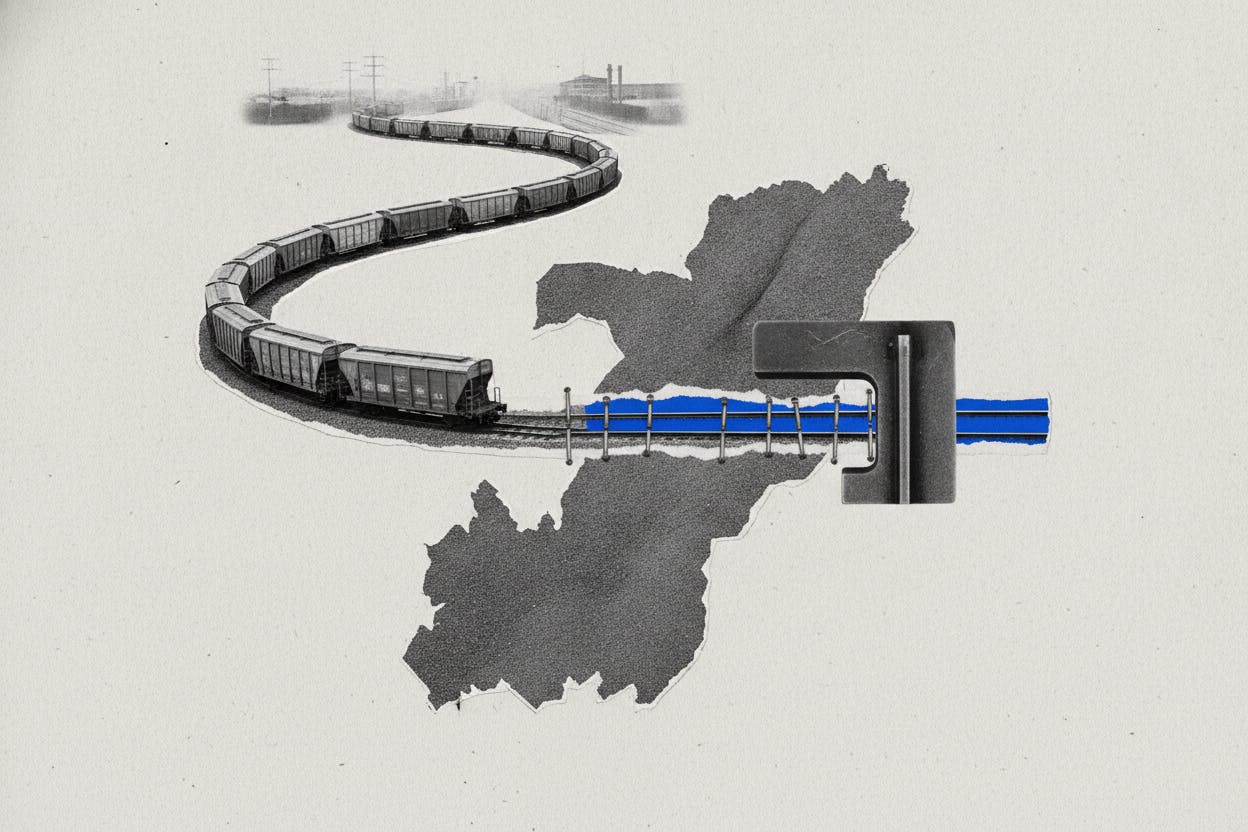
Portugal's largest construction company, Mota-Engil, has secured a 30-year concession to upgrade and operate a 1,037-kilometre railway in the Democratic Republic of Congo (DRC). The project, backed by a $1.8 billion investment, is designed to link Congo's copper belt to Angola's Lobito Corridor, a trade route that has gained strategic importance with US backing.
What's happening?
The rail line runs from the DRC's mineral-rich Katanga region to the border with Angola, where it connects to the Lobito Atlantic Railway. That corridor extends to the port of Lobito on Angola's coast, offering a shorter path to Atlantic markets compared with existing routes through South Africa or East Africa.
Mota-Engil, already active in African infrastructure, will handle the upgrade and manage the line for three decades. The investment will cover track rehabilitation, new signalling systems, and rolling stock, aiming to modernise a route that has suffered from years of underinvestment and operational bottlenecks.
For the DRC, the project is about turning its copper and cobalt wealth into a more reliable export channel. The country is one of the world's top producers of copper and the leading source of cobalt, a key ingredient in electric vehicle batteries. But mining output has often been constrained by poor transport links, with trucks and trains struggling to move ore to ports efficiently.
Officials say the upgraded line could eventually carry as much as 13.7 million metric tons of cargo a year. That would be a significant jump from current volumes and would help ease the logistical logjams that have capped production even when commodity prices are strong.
Why the Lobito Corridor matters
The Lobito Corridor is not just a commercial venture; it has become a geopolitical talking point. The United States has backed the corridor as part of broader efforts to counter China's influence in African infrastructure. Washington has promoted the route as a way to diversify supply chains for critical minerals, reducing dependence on Chinese processing and transport networks.
For investors, the deal underscores the growing importance of critical minerals in global trade. Copper and cobalt are essential for electrification, from power grids to electric vehicles. As demand for these materials rises, the ability to move them efficiently from mine to market becomes a competitive advantage.
The project also highlights the role of infrastructure spending in emerging markets. Companies like Mota-Engil that win long-term concessions can generate steady revenue from tolls or usage fees, but they also take on construction and operational risks. In regions with political or logistical challenges, those risks can be substantial.
What it means for investors
For everyday investors, this news is less about buying Mota-Engil stock and more about understanding the broader trends it represents. The deal is a reminder that infrastructure in resource-rich regions can be a lucrative but complex business.
Mota-Engil's concession is structured as a long-term commitment, meaning the company will need to manage costs carefully to turn a profit. The $1.8 billion price tag is significant for a company of its size, and the payback period will stretch over many years. Investors in the company will be watching how the project is financed and whether it stays on budget.
For those with exposure to mining or commodity ETFs, the rail upgrade could be a positive signal. Better logistics often translate into higher output and lower costs for miners, which can boost earnings. However, the impact will depend on how quickly the line is modernised and whether other bottlenecks, such as port capacity, are addressed.
The deal also fits into a larger picture of rising infrastructure spending, both in Africa and globally. Governments and private investors are pouring money into ports, railways, and power grids to support economic growth and resource extraction. That trend is likely to continue as demand for critical minerals grows.
Still, investors should be cautious. Infrastructure projects in developing countries can face delays, cost overruns, and political interference. The DRC has a history of instability, and the success of this concession will depend on the government's ability to maintain security and uphold its contractual commitments.
Looking ahead
The next few years will be crucial for the project. Mota-Engil will need to mobilise equipment and workers, secure financing, and begin the physical upgrade. Progress will be measured in milestones, such as the reopening of sections of the line and the start of increased freight volumes.
For the region, the rail line could be transformative. If it delivers on its promise, it will not only boost mineral exports but also create jobs and improve access to markets for local businesses. That would be a win for the DRC, Angola, and the international partners backing the corridor.
For now, the deal is a notable development in the world of infrastructure and commodities. It shows how strategic investments can reshape trade routes and supply chains, with implications that reach far beyond the companies directly involved.