South African discount retailer Mr Price reported a modest rise in half-year earnings, as its acquisition of Germany's NKD Group delivered a significant sales boost but also came with a sharp increase in financing costs.
For the 26 weeks ended September 26, Mr Price's retail sales jumped 41.8% to 25.3 billion rand, largely driven by NKD's contribution of 6.9 billion rand. However, finance costs surged 145% to 1 billion rand, reflecting the debt taken on to fund the deal. Despite that, operating profit climbed 30.7% to 2.8 billion rand, and the company said its new European arm outperformed Germany's broader apparel and value-retail market, adding 526 million rand of operating profit.
What's behind the numbers?
Mr Price, known for its value-focused clothing and homeware, has long been a dominant player in South Africa's discount retail space. But with domestic growth slowing and competition intensifying, the company has looked overseas for expansion. The acquisition of NKD, a German value-fashion chain, was a bold move to enter the European market, which is far more mature and competitive than South Africa's.
The deal, completed earlier this year, was funded partly through debt, which explains the sharp rise in finance costs. While NKD has added substantial revenue, the cost of servicing that debt has eaten into the bottom line. The company's overall earnings rose just 2.2%, a modest gain that reflects the balancing act between growth and financial strain.
Investors will note that NKD's operating profit of 526 million rand is a positive sign, suggesting the acquisition is not just adding sales but also generating meaningful returns. The company's claim that NKD outperformed Germany's apparel market is encouraging, but it remains to be seen whether that performance can be sustained in a challenging retail environment.
What it means for investors
For everyday investors, this report highlights the double-edged nature of acquisitions. On one hand, they can open up new markets and drive revenue growth. On the other, they often come with increased debt and higher interest costs, which can weigh on profitability.
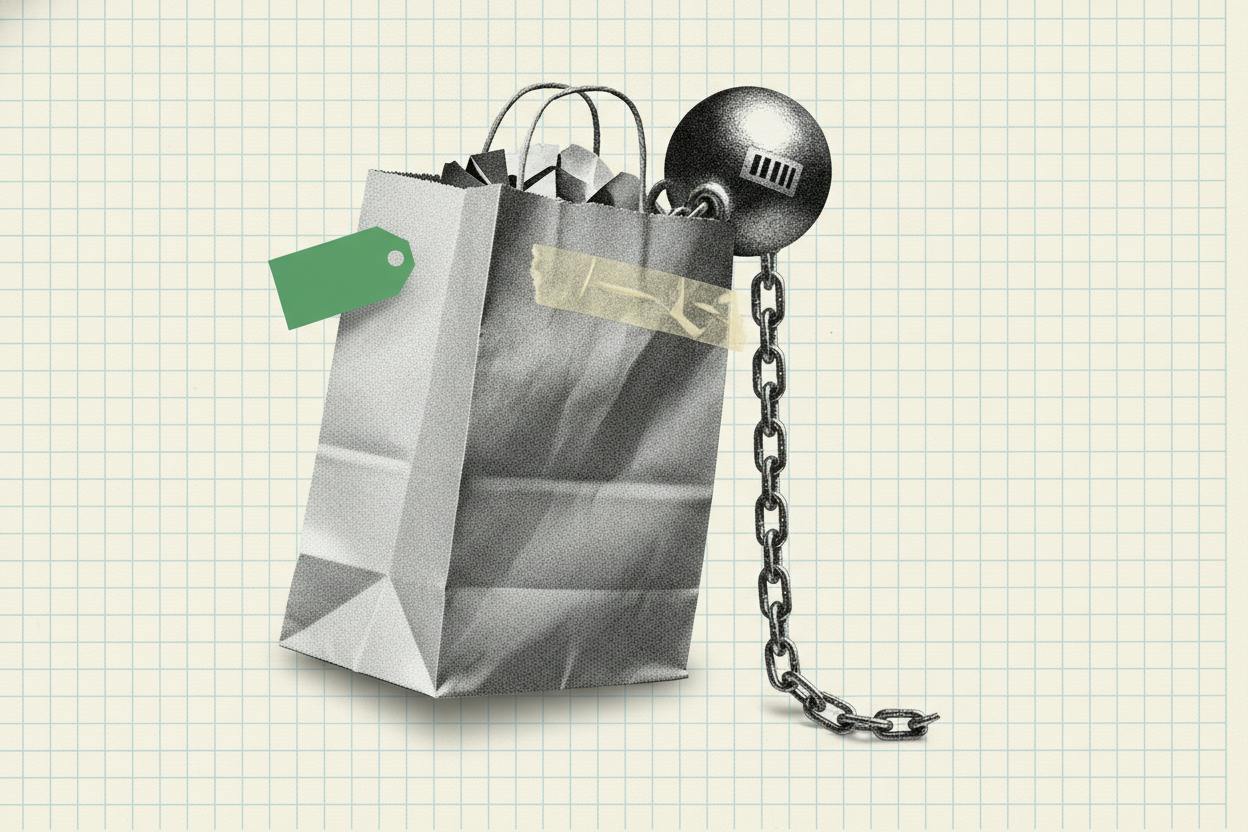
Mr Price's experience is a classic example. The NKD deal has clearly expanded the company's footprint and added a significant chunk of sales, but the 145% jump in finance costs is a reminder that growth often comes at a price. Investors should watch how the company manages its debt load and whether NKD continues to deliver strong operating results.
The company's ability to integrate NKD and extract synergies will be crucial. If NKD can maintain its outperformance in Germany, the acquisition could prove to be a smart long-term move. But if the European market turns sour or integration costs spiral, the financial strain could intensify.
For those holding Mr Price shares, the key metrics to monitor are the company's debt levels, interest coverage, and the ongoing performance of NKD. A 2.2% rise in earnings is modest, and the market will be looking for signs that the acquisition can deliver more substantial profit growth in the coming periods.
In the broader context, Mr Price's move reflects a trend among South African retailers to seek growth beyond their home market, where consumer spending remains under pressure. The success of such strategies will depend on careful execution and the ability to navigate unfamiliar markets.
As always, it's important for investors to consider their own financial goals and risk tolerance. While acquisitions can create value, they also introduce new risks. Keeping an eye on how Mr Price manages its debt and integrates NKD will be essential for anyone following the stock.