New Zealand businesses entered October with a touch more optimism, even as rising oil prices threaten to reignite cost pressures across the economy. The latest ANZ Business Outlook survey, a closely watched gauge of corporate sentiment, showed confidence inching up to a net 52.5 from 51.9 in September. That modest gain suggests the mood among firms remains broadly positive, but the details reveal a more cautious picture beneath the surface.
Confidence up, but activity expectations slip
The headline confidence figure is the share of firms expecting better conditions ahead, minus those expecting worse. A reading above zero means optimists outnumber pessimists. At 52.5, the index points to a solidly optimistic business community. However, firms' expectations for their own activity over the coming year slipped to 46.2, indicating that the improved mood hasn't yet translated into stronger near-term plans.
ANZ noted that manufacturing is leading expected growth, a positive sign for an economy that has been grappling with sluggish demand. The bank also highlighted strong bookings for the upcoming tourism season, helped by a weaker New Zealand dollar, which makes the country a more affordable destination for foreign visitors. But higher airfares and fuel costs could test that momentum, as travel becomes more expensive for both tourists and locals.
Pricing intentions and inflation expectations remain elevated
The survey's inflation signals were firmer. One-year-ahead inflation expectations held steady at 3.3%, still above the Reserve Bank of New Zealand's (RBNZ) 1-3% target band. The net share of firms planning to raise prices over the next three months rose to over 52%, up from the previous month. Nearly 82% of businesses said they expect their costs to increase in the year ahead.
These numbers matter because they feed directly into the central bank's thinking. When businesses expect higher costs and plan to pass them on to customers, it suggests inflation may be slow to cool. That makes it harder for the RBNZ to cut interest rates, as policymakers want to see convincing evidence that price pressures are easing before loosening monetary policy.
What it means for investors
For markets, the survey's inflation expectations and pricing plans are a real-time clue to the path of interest rates. With inflation expectations stuck at 3.3% and a majority of firms planning price hikes, investors are likely to scale back bets on aggressive rate cuts. That could keep short-term New Zealand government bond yields and interest-rate swaps elevated, as markets price in fewer or later policy-rate reductions.
If New Zealand interest rates are expected to stay relatively high compared with other countries, that rate advantage can offer some support to the New Zealand dollar, even if growth expectations look only steady. A stronger currency can help dampen imported inflation, but it also makes exports more expensive, which could weigh on the tourism and manufacturing sectors that are currently showing signs of life.
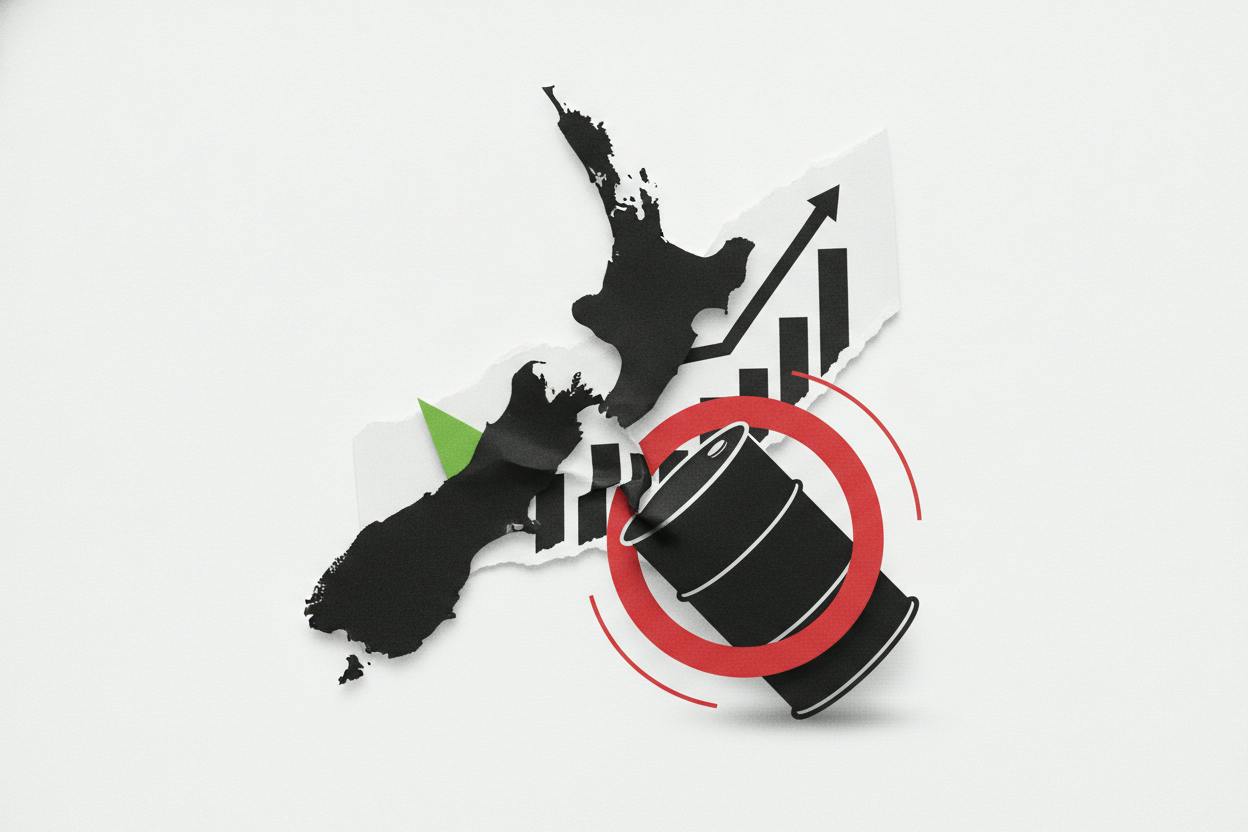
The oil price shock is a key wildcard. Higher energy costs feed directly into business expenses, from fuel for transport to heating and electricity. If oil prices stay elevated, the cost pressures flagged in the survey could become self-fulfilling, with businesses raising prices to protect margins. That would complicate the RBNZ's task of bringing inflation back to target.
For everyday investors, the takeaway is that New Zealand's economic recovery remains uneven. Confidence is up, but activity plans are softer, and inflation is proving sticky. That combination suggests interest rates may stay higher for longer than some had hoped, which has implications for mortgage holders, savers, and anyone invested in rate-sensitive sectors like property or consumer discretionary stocks.
Investors will be watching upcoming inflation data and the RBNZ's next policy meeting for clues on the rate path. The central bank has been cautious about declaring victory over inflation, and surveys like this one reinforce that caution. As Australia's export prices rise and global energy costs climb, the pressure on New Zealand businesses is unlikely to fade quickly.
In the meantime, the weaker New Zealand dollar is a double-edged sword. It helps tourism and export competitiveness, but it also makes imported goods, including oil, more expensive. That dynamic is playing out in the survey's cost expectations, and it's a reminder that currency moves can have a direct impact on household budgets and corporate margins.
For now, New Zealand businesses are staying upbeat, but the optimism is fragile. The next few months will show whether the oil price shock is a temporary blip or a more persistent drag on the economy. Either way, investors should keep an eye on inflation expectations and pricing intentions as leading indicators of where interest rates and the currency are headed.