Japanese stocks slipped on Monday as investors took a more cautious view of the artificial-intelligence boom, questioning whether the huge sums being poured into data centers and cloud infrastructure can deliver returns when borrowing costs are higher. The Nikkei 225 fell 0.8%, a move that reflects a broader mood of skepticism ahead of earnings season.
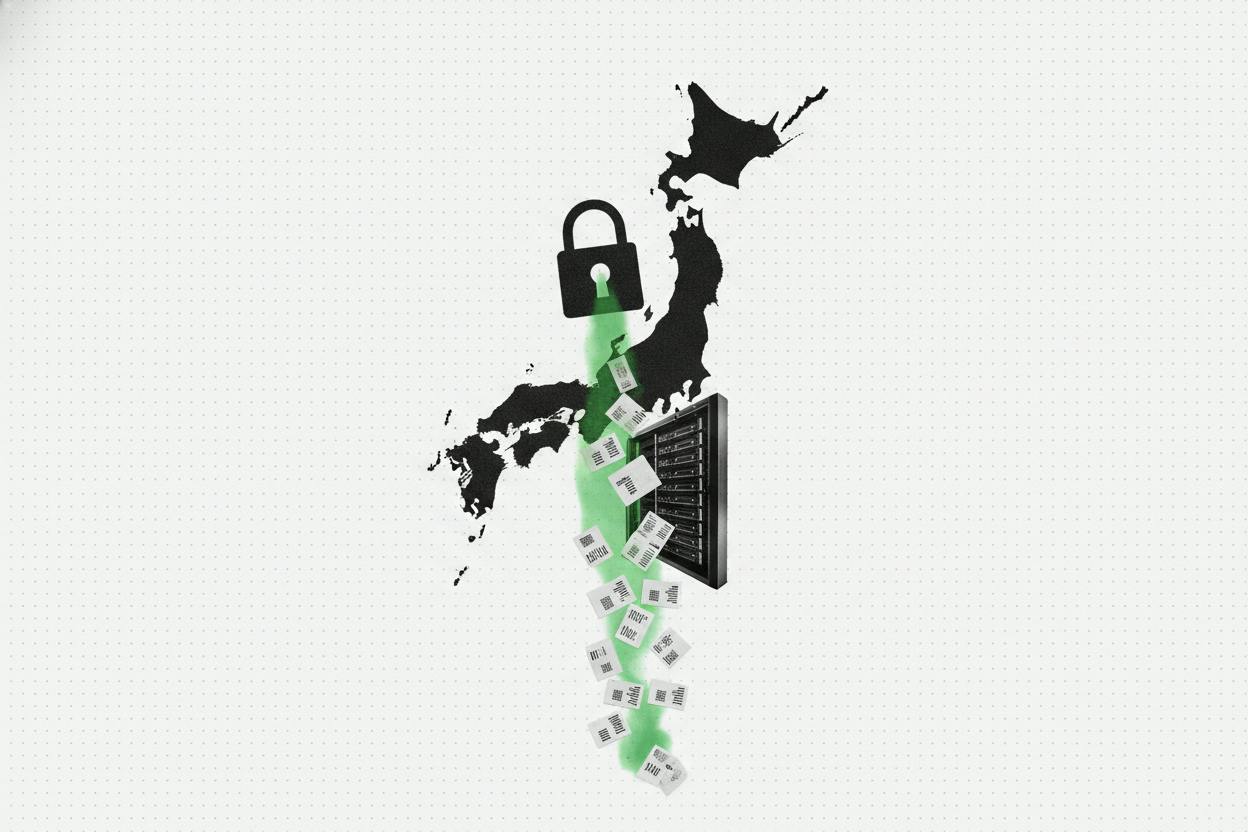
Adding to the day's unease, Change Holdings disclosed a data breach at its Furusato Choice tax-donation service, saying unauthorized access exposed information tied to 4,454,097 customers. The leaked data includes contact details, hashed passwords (passwords stored in scrambled form), and estimated tax-deduction information.
Why AI spending is under the microscope
The core of the market's concern is simple: when interest rates rise, the value of future profits falls. AI projects, such as building data centers and expanding cloud services, typically require massive upfront investment and only generate returns years down the line. With rates higher, those distant payoffs look less attractive, and investors are less willing to give companies the benefit of the doubt.
This dynamic has been playing out across global markets, with AI spending fears rattling chip stocks and worries spreading beyond Big Tech. In Japan, the Nikkei's decline was led by technology and semiconductor-related names, which have been among the biggest beneficiaries of the AI rally.
Investors are now heading into earnings season with less patience for companies that announce big, long-payback projects without clear evidence of discipline. The question is whether the profits from AI will justify the spending, or whether the market has gotten ahead of itself.
The Change Holdings breach: a trust and cost problem
Change Holdings, a company that operates digital services including the Furusato Choice platform, said unauthorized access led to the leakage of customer data. Furusato Choice is a popular service that lets users make tax-deductible donations to local municipalities, a system known as furusato nozei (hometown tax).
The breach affects 4,454,097 customers, making it one of the larger data incidents in Japan in recent years. While hashed passwords are not plain text, they can still be cracked, especially if users choose weak passwords. The bigger risk is that many people reuse the same password across multiple services, so a leaked hash from one site can be used to try to break into others—a technique known as credential stuffing.
For Change Holdings, the breach is a double-edged sword. On one hand, there are direct costs: notifying customers, hiring forensic experts, potentially paying fines, and upgrading security systems. On the other, there is the less tangible but often more damaging cost of lost trust. Customers may think twice before handing over sensitive data to a company that has been compromised.
What it means for investors
For everyday investors, the Nikkei's decline is a reminder that markets don't move in straight lines. The AI story has been a powerful driver of stock prices, but it is not immune to the realities of interest rates and valuation. When rates are higher, investors demand more immediate proof that spending will pay off.
The Change Holdings breach is a more direct warning about the risks of investing in companies that handle large amounts of personal data. Cybersecurity incidents can hit a company's bottom line and its reputation, and they often lead to regulatory scrutiny. For holders of the stock, the immediate impact is likely to be negative, but the longer-term damage depends on how well the company responds.
Not every stock is caught up in the AI narrative. Wholesaler Kobe Bussan reported September net sales up 5.6%, a reminder that some businesses are still growing steadily without needing to justify massive capital expenditures. Diversification across sectors can help cushion the blow when one theme—like AI—loses momentum.
As earnings season unfolds, investors will be watching closely to see whether companies can back up their AI ambitions with real numbers. The market's patience is not unlimited, and the days of buying any stock with an AI label may be coming to an end.