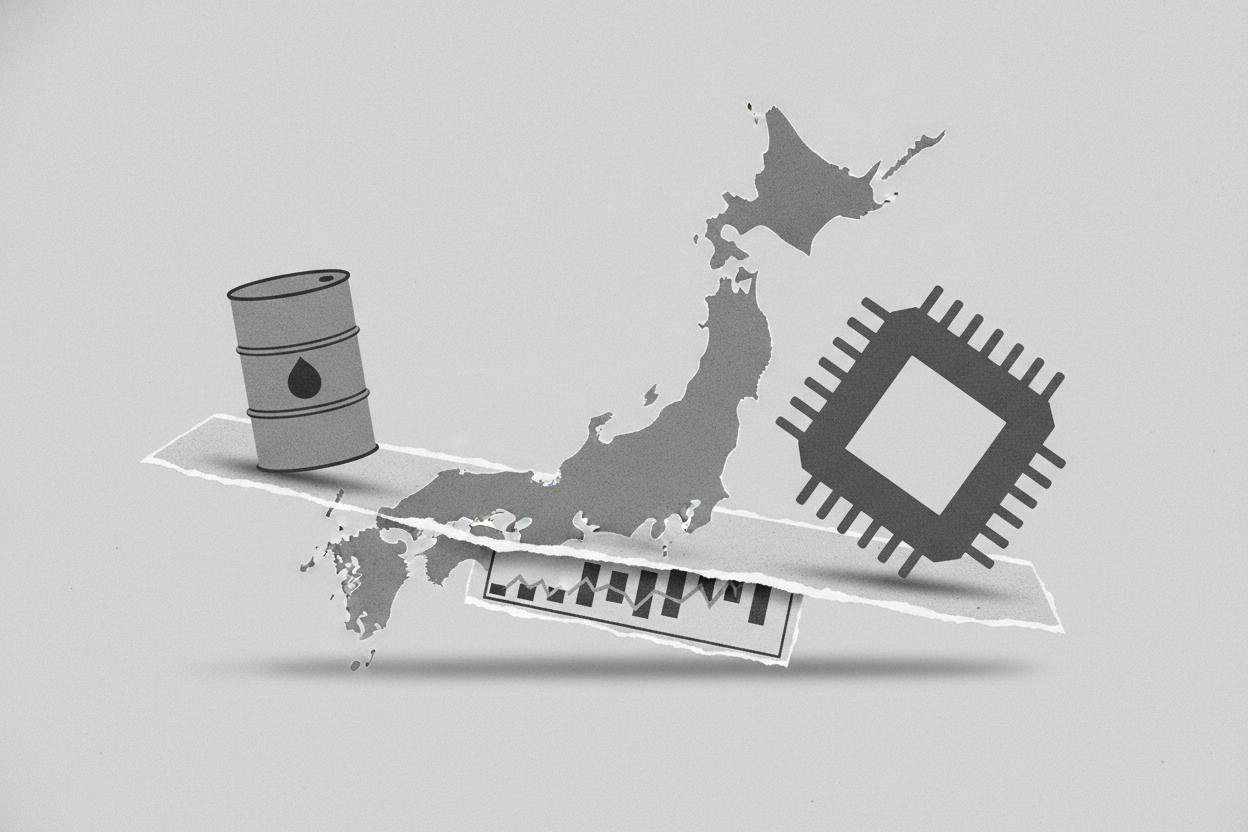
Japan's Nikkei 225 slipped in Monday morning trade, falling 0.43% to 62,425.47, as a handful of chip-related stocks weighed on the index. But the broader TOPIX rose 0.48% to 3,984.74, with more stocks advancing than declining—166 gainers versus 59 decliners—suggesting the dip was concentrated in a few large tech names rather than a broad sell-off.
What's behind the split?
The Nikkei is a price-weighted index, meaning companies with higher share prices have a larger influence on its moves. That makes it sensitive to a small set of large, widely held firms—many of which are in the semiconductor space. When those stocks fall, they can drag the entire index down even if most other shares are rising.
This time, chip-linked names were the problem. Sumco fell 4.03%, Kokusai Electric dropped 3.86%, and Screen Holdings declined 3.78%. These companies supply equipment and materials to chipmakers, and their share prices often react to shifts in global tech demand and capital spending plans.
Meanwhile, energy and trading names moved higher, helping lift the TOPIX. Inpex, Japan's largest oil and gas explorer, rose nearly 5%, likely benefiting from firmer oil prices. The contrast between chip weakness and energy strength is a reminder that sector rotation can drive divergent moves across indices.
Why chip stocks are under pressure
The decline in chip stocks comes amid broader concerns about AI-related spending. Investors have been questioning whether the massive investments in artificial intelligence infrastructure will deliver profits quickly enough to justify current valuations. These worries have rattled tech stocks globally, as seen in recent moves in the S&P 500 and other markets. For more on that, see our analysis of AI spending fears and chip valuations.
Japan's semiconductor supply chain is deeply tied to global tech cycles. Companies like Sumco and Screen Holdings are key players in the production of silicon wafers and chip-making equipment, so any slowdown in orders or cautious outlooks from major chipmakers can hit their shares quickly.
What it means for investors
For everyday investors, the Nikkei's slip is a useful reminder that headline index moves don't always tell the full story. While the Nikkei fell, the broader TOPIX rose, meaning many Japanese companies—especially in energy and trading—are still doing well. If you hold a diversified fund tracking the TOPIX, you might have seen gains even as the Nikkei dipped.
Energy stocks like Inpex are benefiting from higher oil prices, which can be a hedge against inflation but also a drag on consumers and businesses that rely on fuel. The rise in energy names also highlights how commodity prices can drive sector performance, as seen in other markets like Canada's TSX, where an oil spike couldn't lift the index due to weakness elsewhere.
For those invested in tech or chip funds, the recent volatility suggests that AI-related stocks may remain sensitive to sentiment shifts. However, as our earlier piece on AI spending worries spreading beyond Big Tech notes, profits may still back valuations in the long run.
Looking ahead
Investors will be watching whether chip stocks stabilise in the coming sessions, as well as any fresh data on global tech demand. Energy prices will also be in focus, especially with geopolitical risks and supply concerns. For now, the divergence between the Nikkei and TOPIX underscores the importance of looking beyond the headline number to understand what's really driving the market.