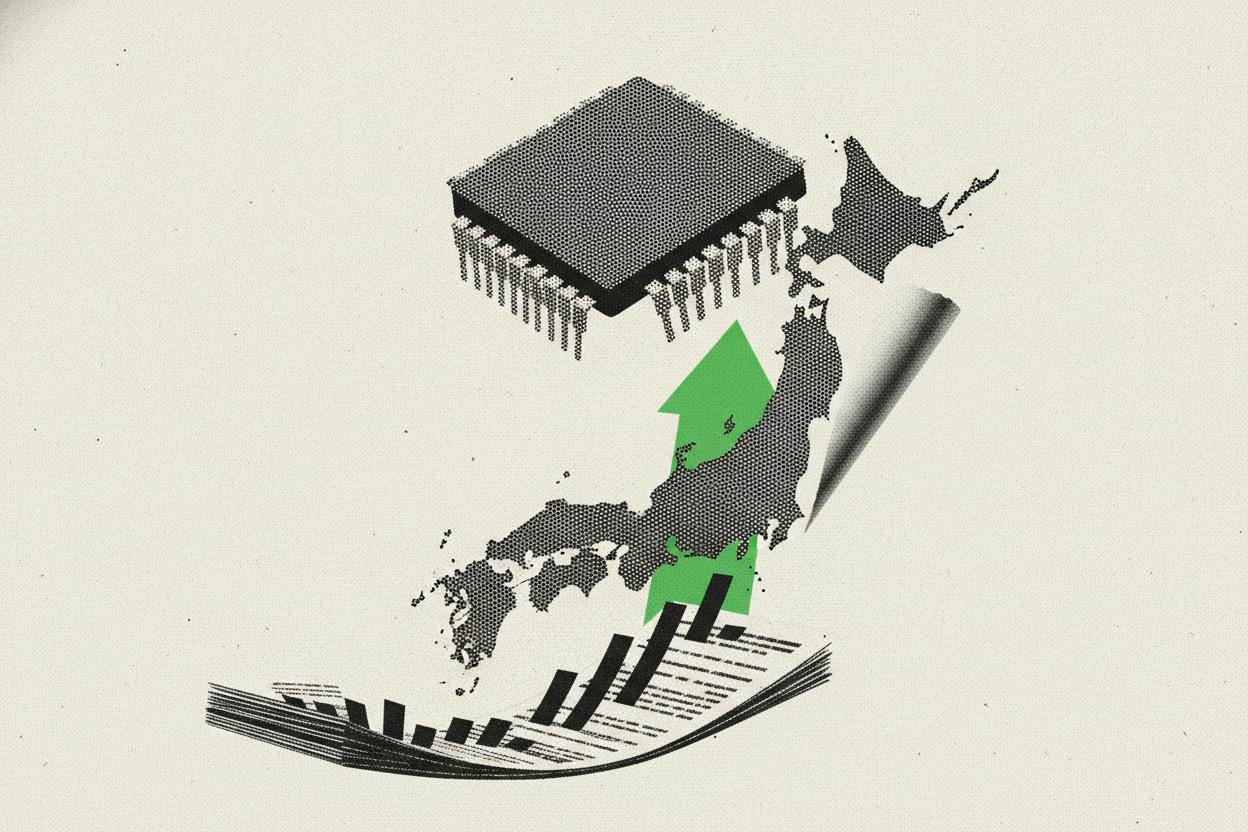
Japan's benchmark Nikkei 225 soared 4.62% on its first trading day after a public holiday, as investors rushed to catch up with a massive overnight rally in Nvidia shares. The U.S. chip giant climbed 31.5% in a single session, reigniting enthusiasm for artificial intelligence-related stocks across global markets.
The move came after Nvidia's CEO returned to his role following an 11-day absence, a development that markets interpreted as a positive signal for the company's leadership and strategic direction. The stock's surge was so pronounced that it dragged the entire AI trade higher, with chipmakers and tech firms around the world benefiting from the renewed optimism.
Why Nvidia's Move Matters So Much
Nvidia has become the de facto bellwether for the AI trade. Its graphics processing units (GPUs) are the backbone of most AI data centers, and its earnings and stock performance are widely seen as a proxy for the health of the entire AI ecosystem. When Nvidia moves sharply, it often triggers a chain reaction across markets.
One key mechanism is forced buying. Traders who had bet against Nvidia—short sellers—were caught off guard by the 31.5% jump and had to buy back shares to cover their positions, a process that can amplify upward moves. Similarly, funds that track AI-focused baskets or use Nvidia as a hedge would have had to rebalance quickly, adding further buying pressure.
Japan's market felt this repricing in a single burst. Because Tokyo was closed for a holiday when Nvidia's rally occurred, the catch-up happened all at once when trading resumed. The Nikkei's 4.62% gain was one of its biggest single-day jumps in recent memory, underscoring how interconnected global markets have become.
Analysts Warn of Lingering Risks
Despite the euphoria, analysts are cautioning that the AI trade remains vulnerable to several headwinds. Chief among them are potential restrictions on data-center operations and ongoing tensions with China, which could limit Nvidia's access to one of its largest markets.
China has been a major source of revenue for Nvidia, but export controls and geopolitical friction have created uncertainty. Any further escalation could weigh on the company's future sales and, by extension, the broader AI trade. Additionally, data-center curbs—whether regulatory or related to power and cooling constraints—could slow the pace of AI infrastructure buildout.
These risks suggest that while the immediate rally is impressive, investors should brace for continued volatility. Markets may swing sharply in either direction as new information emerges about trade policy, chip demand, and the sustainability of AI spending.
What It Means for Everyday Investors
For ordinary investors, the Nikkei's jump is a reminder of how much influence a single stock can have on global markets. Nvidia's performance doesn't just affect its own shareholders—it ripples through indices, ETFs, and pension funds worldwide.
If you hold a diversified portfolio, you likely have some exposure to this trade, whether through a tech-heavy index fund, a Japan-focused ETF, or a global equity fund. The rally is a positive sign for those positions, but it also highlights the concentration risk that comes with AI-related stocks.
Investors should also note that the Nikkei's move was partly a catch-up effect. The Japanese market had been closed during Nvidia's surge, so the gain reflects a delayed reaction rather than new information. In the coming days, markets may consolidate as traders digest the move and reassess the risks.
Analysts suggest keeping an eye on two things: any new developments regarding China and data-center regulations, and whether Nvidia's rally can sustain itself. If the stock gives back some of its gains, markets could quickly reverse course.
Broader Market Context
The Nikkei's surge comes amid a broader global rally in tech and chip stocks. Similar moves were seen in other Asian markets, and U.S. futures pointed higher. The Australian market also climbed on the back of Nvidia's strength, though gains there were more modest.
Japan's economy has been showing signs of resilience, with factory activity accelerating even as services slow. That mixed picture suggests the Nikkei's rally is not solely dependent on AI—there are underlying fundamentals at play. However, the outsized influence of chip stocks means the index remains sensitive to global tech sentiment.
For investors, the key takeaway is that the AI trade is alive and well, but it's not without risks. The Nvidia-led bounce is a powerful reminder of the sector's ability to move markets, but it also underscores the importance of diversification and staying informed about the factors that could derail the rally.
As always, it's wise to focus on long-term goals rather than short-term swings. While days like this are exciting, they are also a normal part of market behavior. The best approach is to maintain a balanced portfolio and avoid making impulsive decisions based on a single day's move.