German wind-turbine maker Nordex reported a 30% jump in third-quarter orders, a sign that demand for its machines is broadening beyond its home market. The company booked 2,810 megawatts (MW) of new turbine orders from July through September, up from 2,170 MW in the same period last year. For the first nine months of the year, orders totaled 7,733 MW, compared with 6,661 MW a year earlier.
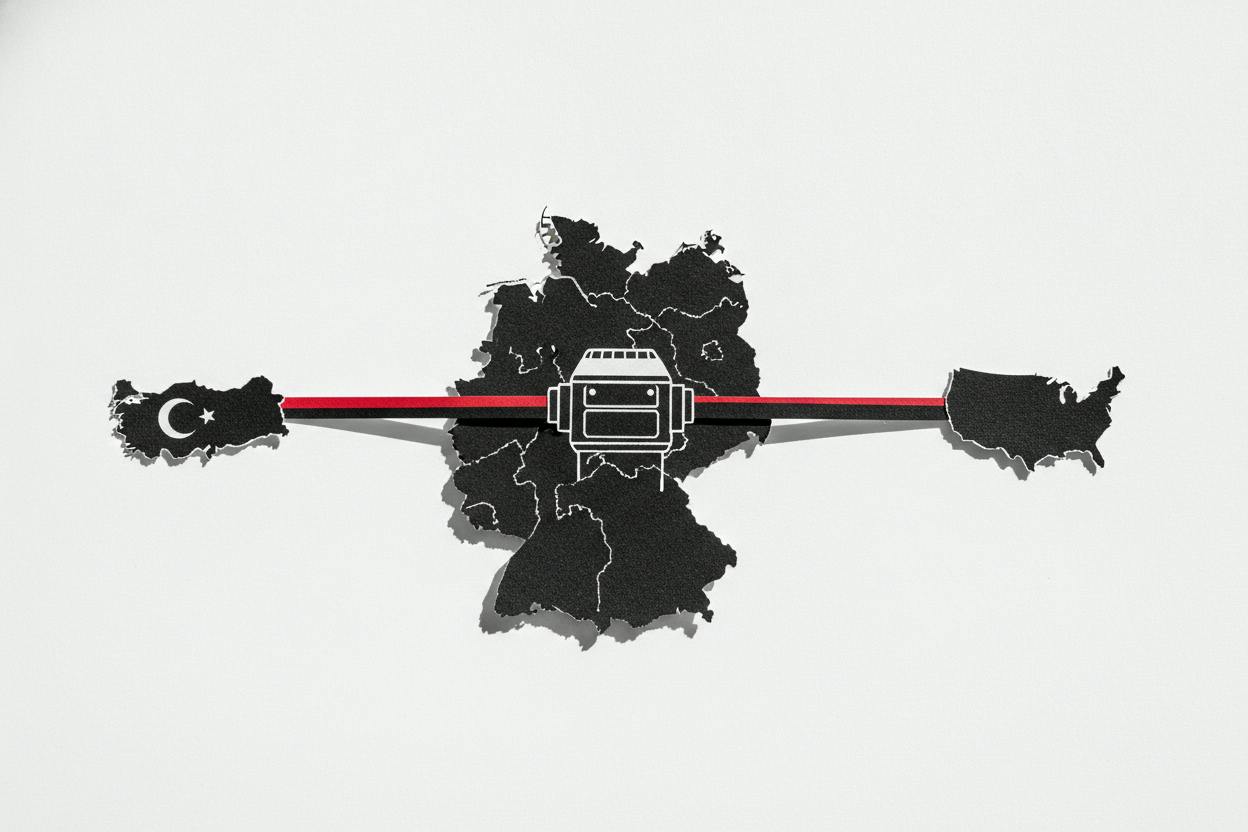
The growth was led by large projects in Turkey and a steady pickup in the United States, according to the company. That geographic spread is notable because investors have long viewed Germany's permitting pace and subsidy rules as the main swing factor for Nordex's fortunes. With more demand coming from elsewhere, that single-country risk is starting to fade.
Why diversification matters
CEO Jose Luis Blanco said the company's order book is “becoming more globally diversified” and that the non-Germany share should keep rising as it converts its sales pipeline into signed contracts in the coming quarters. That shift is important for a company whose stock has often moved on headlines about German bureaucracy and policy changes.
Germany's wind-power approval process has been notoriously slow, with projects sometimes taking years to clear permitting hurdles. That has made Nordex's revenue feel like a bet on one country's stop-start regulatory cycle. But as orders from Turkey, the US, and other markets grow, the backlog becomes less dependent on any single government's actions.
Investment bank Citi framed the update as a reminder that Nordex has “other pillars of demand” beyond its home market. That helps explain why investors reacted positively to the news, even though the stock remains well below its early May high.
What it means for investors
For markets, the key takeaway is that Nordex's 2,810 MW quarter makes Germany less of a single point of failure. A bigger slice of orders from outside Germany can make the company's backlog feel more like a diversified portfolio of demand drivers rather than a one-country bet. That tends to lower perceived earnings volatility, which can support a steadier valuation over time.
When one-country risk fades, the stock's day-to-day sensitivity to Germany-specific headlines can ease. That could help Nordex's shares hold up better even if German policy debates continue to make headlines. For everyday investors, the lesson is about the value of geographic diversification in a company's revenue stream: it can reduce the impact of any single market's problems.
Of course, diversification doesn't eliminate all risks. Wind-turbine makers still face competition from cheaper Chinese rivals, supply-chain pressures, and the cyclical nature of energy infrastructure spending. But for Nordex, the current order trend suggests that its future growth is no longer tied solely to the pace of German approvals.
Investors will likely watch whether the international order share continues to climb in the coming quarters, and whether the company can convert its pipeline into signed contracts as quickly as it hopes. If it does, the market may start to treat Nordex less as a German policy play and more as a global renewable-energy supplier.
For context, the broader wind industry has been navigating a mix of tailwinds and headwinds. Governments worldwide are pushing for more clean energy, but project developers often face long permitting timelines and grid-connection delays. Companies that can secure orders across multiple geographies are better positioned to smooth out those bumps.
Nordex's latest numbers suggest it is making progress on that front. The question now is whether the trend can continue, and whether the stock's valuation will catch up to the improving order book.