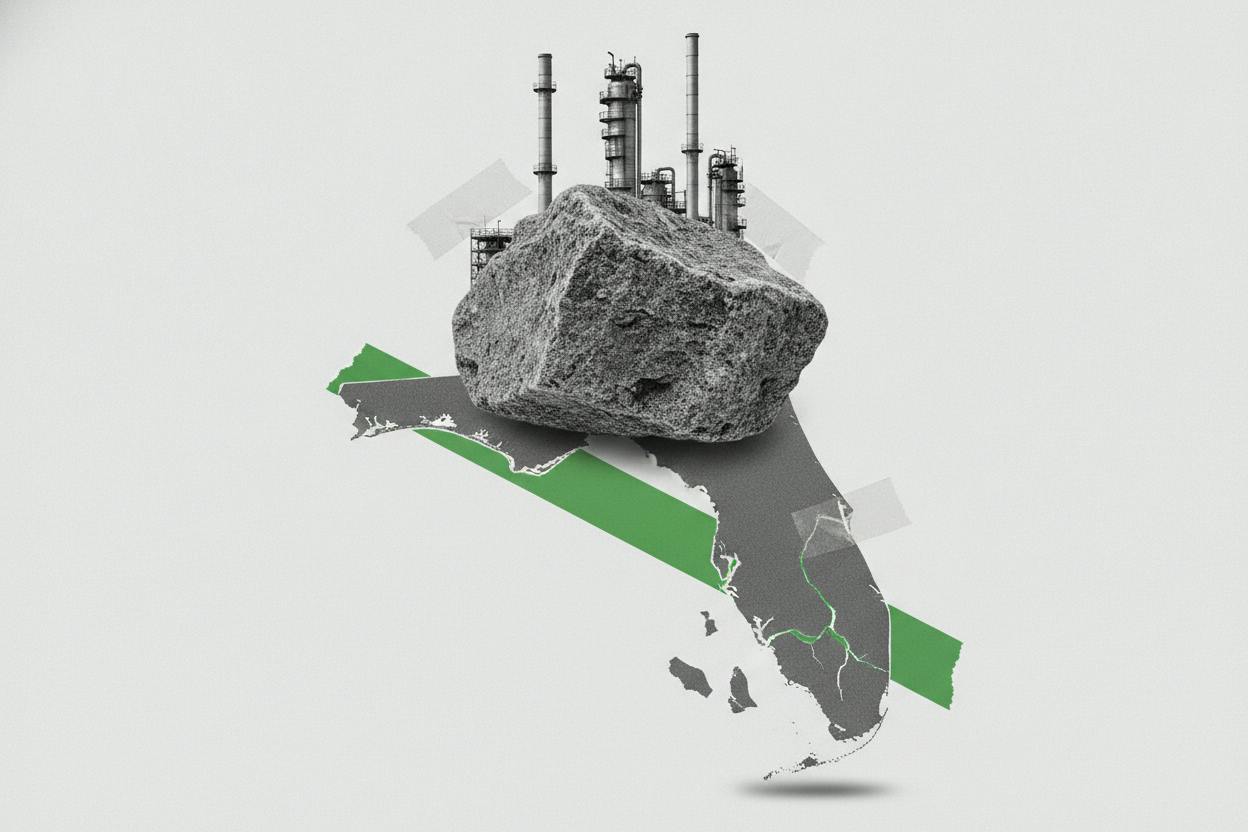
Nutrien, one of the world's largest fertilizer producers, is reshaping its phosphate business after falling short of Wall Street's profit expectations. The company said it will close its White Springs facility in Florida during the second quarter of 2027, while keeping its Aurora, North Carolina, operations running. The decision comes as phosphate earnings tumbled to just $8 million, squeezed by rising costs.
Why the phosphate business is under pressure
Phosphate is a key ingredient in many fertilizers, essential for growing crops like corn, wheat, and soybeans. But Nutrien's phosphate segment has been struggling. The brief notes that phosphate EBITDA—earnings before interest, taxes, depreciation, and amortization, a common measure of profitability—fell to $8 million. That's a sharp drop for a business that typically generates hundreds of millions in annual earnings.
Costs have been climbing across the industry, from energy and raw materials to labor and logistics. At the same time, phosphate prices have softened, partly due to global supply and demand dynamics. For Nutrien, the White Springs plant has become a higher-cost operation, making it less competitive in a market where margins are thin.
By shutting White Springs, Nutrien is choosing to concentrate production at Aurora, which is likely more efficient and better positioned to weather the current environment. This is a classic move for a company facing margin pressure: cut the least profitable capacity and focus on the strongest assets.
What the profit miss means for Nutrien
Nutrien's overall profit miss is part of a broader trend among companies that rely on commodity prices. When fertilizer prices fall, revenue and earnings can drop quickly. The company's response—streamlining operations—is aimed at protecting profitability even if market conditions stay weak.
Investors have been watching Nutrien closely because fertilizer demand is tied to global agriculture. If farmers plant less or use less fertilizer, that directly hits Nutrien's bottom line. The decision to close White Springs is a signal that management expects the challenging environment to persist for a while.
It's also worth noting that Nutrien is not alone in facing margin pressure. Other companies have reported similar struggles, such as MercadoLibre's profit miss due to heavy investments, or SNB's margin concerns. In each case, the common theme is that rising costs are eating into earnings.
What it means for investors
For everyday investors, this news is a reminder that commodity-linked companies can see big swings in profitability. When you own shares of a fertilizer maker, you're essentially betting on the price of crops and the cost of production. When those move against the company, profits can shrink quickly.
The closure of White Springs is a long-term move—it won't happen until 2027—so the immediate impact on Nutrien's financials will be limited. But it does suggest that management is willing to make tough decisions to improve returns. That can be a positive sign for shareholders, as it shows a focus on efficiency.
However, the profit miss itself is a negative signal. Nutrien's stock may face pressure in the near term as analysts adjust their expectations. Investors should watch for more details on the company's cost-cutting plans and any updates on phosphate prices.
It's also important to consider the broader fertilizer market. Global food demand continues to grow, which supports long-term fertilizer use. But short-term volatility is common, and companies like Nutrien are often at the mercy of weather, trade policies, and energy costs.
Looking ahead
Nutrien's decision to keep Aurora while closing White Springs is a strategic bet that it can maintain supply to customers while improving margins. The company will need to manage the transition carefully to avoid disruptions.
For investors, the key questions are: How much will the closure cost, and how much will it save? Nutrien hasn't provided those details yet, but they will likely be part of future earnings calls. Until then, the market will be watching phosphate prices and Nutrien's ability to control costs.
In the meantime, this story fits into a larger pattern of companies adjusting to a tougher economic environment. Whether it's Uber's profit forecast miss or AdaptHealth's cost improvements, the theme is the same: margins are under pressure, and companies are responding.
For Nutrien, the path forward is clear: cut costs, focus on efficient operations, and hope that fertilizer prices recover. Investors will be watching closely to see if these moves pay off.