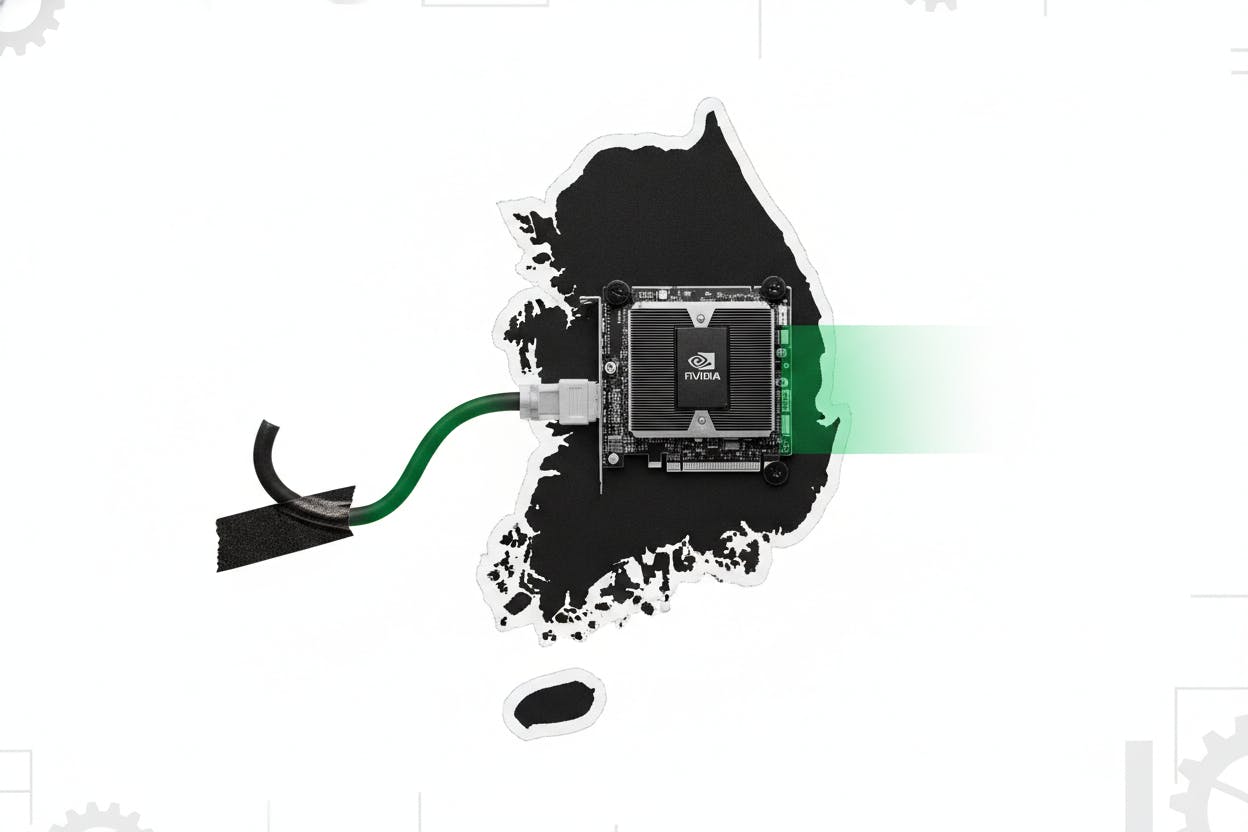
Nvidia, the US chip designer at the center of the artificial intelligence boom, is deepening its commitment to building out AI infrastructure in Asia. The company has signed letters of intent with South Korea's SK Group for a plan valued at more than $500 billion to create what are being called AI factories — large-scale computing hubs designed to handle the intense processing demands of AI workloads. The first site, located in South Korea, is expected to start operating in 2027.
What are AI factories?
AI factories are essentially massive data centers purpose-built for training and running AI models. They require enormous amounts of computing power, typically supplied by thousands of specialized chips like Nvidia's graphics processing units (GPUs), along with high-speed networking, cooling systems, and reliable energy sources. Unlike traditional data centers that handle a variety of tasks, AI factories are optimized for the parallel processing that AI algorithms need.
For Nvidia, these factories represent a way to turn surging demand for its chips into long-term, large-scale projects that lock in customers and create recurring revenue streams. For SK Group, a sprawling South Korean conglomerate with businesses in memory chips, telecommunications, and energy, the partnership is a chance to provide the full ecosystem — land, power, networking, and local cloud capacity — that makes an AI factory viable.
A $500 billion bet on AI infrastructure
The scale of the plan is striking. $500 billion is a figure that dwarfs many national budgets and signals that both companies see AI infrastructure as a multi-decade investment opportunity. The letters of intent are non-binding agreements that outline the broad terms of the partnership, but they represent a serious commitment to move forward. The first factory in South Korea is slated to begin operations in 2027, which gives both companies several years to secure permits, build facilities, and install equipment.
This is not Nvidia's first foray into large-scale AI infrastructure. The company has been working with partners around the world to build similar hubs, including in the United States and Europe. But the South Korea deal is notable for its size and the involvement of SK Group, which brings deep local expertise and a wide range of industrial capabilities.
For context, the broader AI infrastructure buildout has been accelerating as companies like Microsoft, Amazon, and Google pour billions into data centers to support their own AI services. Nvidia's chips are the gold standard for AI training, and the company has been struggling to keep up with demand. By partnering with conglomerates like SK Group, Nvidia can help ensure that the factories are built to its specifications and that its chips are used in the most efficient way possible.
What it means for investors
For everyday investors, this deal is a reminder that the AI boom is not just about software or chatbots — it's also about the physical infrastructure that powers them. Companies that supply the building blocks of AI factories, from chips to cooling systems to energy, could see sustained demand for years to come.
Nvidia's stock has already soared as investors bet on its dominance in AI chips, but this deal shows the company is thinking beyond just selling chips. By helping to build AI factories, Nvidia is creating a moat around its business — customers who build their infrastructure around Nvidia's technology are less likely to switch to a competitor later. For SK Group, the partnership could boost its memory chip business, as AI factories require vast amounts of high-bandwidth memory, a product SK Hynix (a subsidiary of SK Group) specializes in.
Investors should also watch for similar deals in other regions. If Nvidia and SK Group succeed in South Korea, it could pave the way for more AI factory projects in Asia, Europe, and the Middle East. The surge in AI-related exports from Hong Kong is a sign that the region is already becoming a hub for AI hardware, and this deal could accelerate that trend.
That said, $500 billion is a huge number, and the letters of intent are just the first step. Investors should keep an eye on whether the companies can actually secure financing, regulatory approvals, and the necessary energy and land to build these factories. Delays or cost overruns could dampen enthusiasm for the project.
For now, the deal underscores a key theme: the AI revolution is as much about concrete and steel as it is about code and algorithms. For investors, that means opportunities may lie not just in the chipmakers themselves, but in the broader ecosystem of companies that build and operate the factories of the future.