It's been a turbulent start to the week for two of the market's most closely watched companies. Nvidia, the chipmaker at the heart of the AI boom, is facing a leadership crisis, while Warren Buffett's Berkshire Hathaway is showing that even a profit slump can't dent its appeal.
Nvidia's CEO under investigation
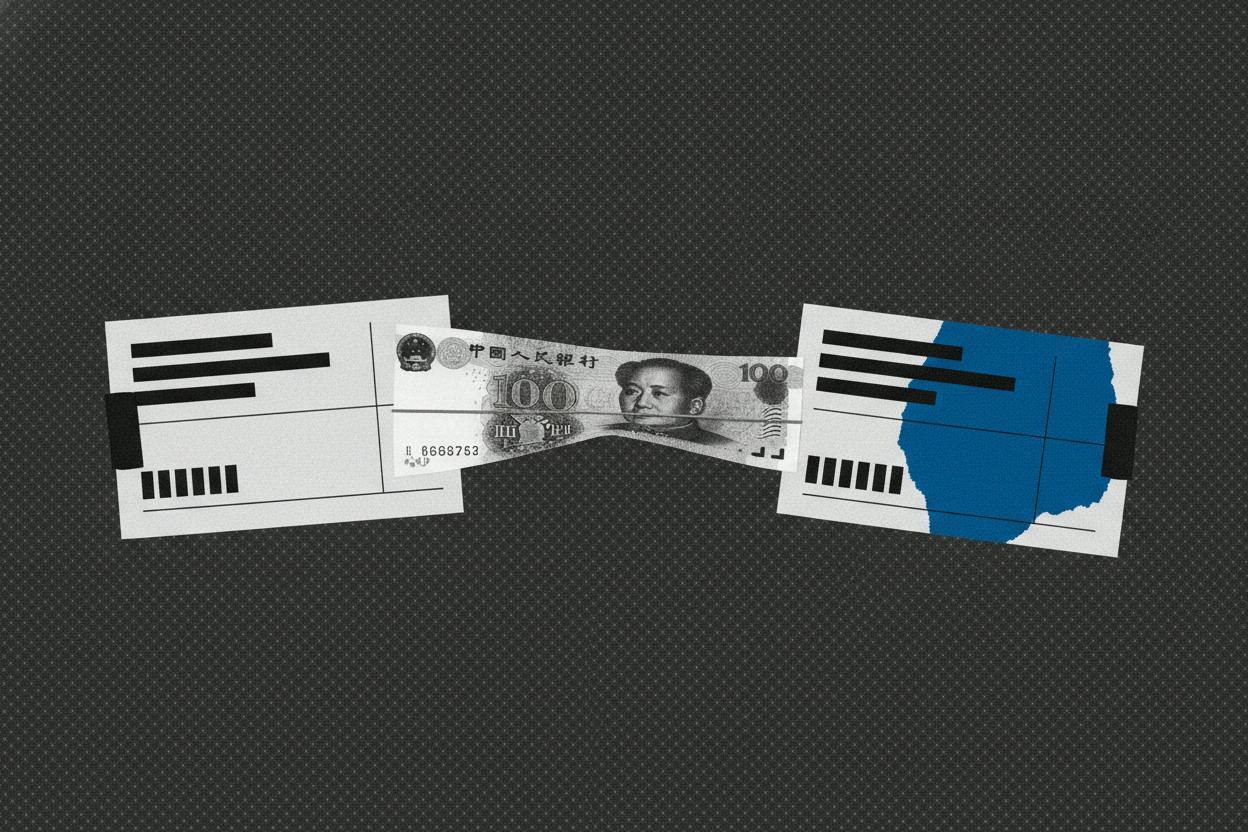
Nvidia's board has opened an investigation after CEO Jensen Huang admitted over the weekend to an affair with a woman now believed to be a Chinese spy. The woman, Alice Huang (no relation), is a former executive at Megaspeed, a Singapore-based neocloud that became one of Nvidia's biggest customers in Southeast Asia.
The situation is complicated by US regulations that restrict Nvidia from selling its most advanced chips to Chinese customers. Megaspeed, which uses Nvidia's chips, can rent computing power to Chinese clients, a workaround that has drawn scrutiny. The neocloud has been under investigation for allegedly smuggling chips into China, which it denies.
Now, US intelligence officials say Alice Huang was working for China, raising concerns that she may have influenced Jensen Huang. The CEO has been a vocal advocate for selling chips to China and for US companies to adopt Chinese AI models—positions that now look more problematic.
Investors reacted swiftly: Nvidia's stock tumbled on Monday, falling to more than 25% below its early October peak. The drop reflects not just the scandal but broader worries about the AI trade.
Why it matters for investors
Nvidia's advanced chips have been essential to the AI buildout, making the company one of the most widely held stocks in the world. But the investigation adds a new layer of uncertainty to an already jittery market. Investors are questioning when the enormous infrastructure bets on AI will pay off—a timeline that's become less certain since the US midterm elections, when voters backed data center restrictions that could delay construction.
There's also a more structural concern: Nvidia has helped bankroll its customers' chip purchases, essentially financing some of its own demand. That's a double-edged sword—it boosts sales now, but it also means Nvidia's fortunes are tied to its customers' ability to pay back those loans.
As one analyst noted, Nvidia still has plenty of positives, but its current growth forecast rests on the AI buildout continuing to fuel chip demand—and that's by no means guaranteed. For a deeper dive into the broader AI trade, check out our analysis of what could be bigger tests for AI than regulation.
Berkshire Hathaway: A steady ship
Meanwhile, Berkshire Hathaway reported a 28% drop in net profit last quarter, as its insurers and investments made less. But the company's railroad, energy, and manufacturing businesses all grew, and Berkshire still sits on a massive $357 billion cash pile.
Berkshire's sprawling empire is built on insurance: it collects premiums, then puts that money to work investing in stocks, bonds, and even entire companies. Because those investments span so many industries, Berkshire is often viewed as a mini barometer for the US economy. Last quarter, that barometer gave a mixed reading—some parts of the economy are slowing, but others are still expanding.
The company also spent nearly $10 billion buying back its own shares, more than double its spend the quarter before. Even so, its cash pile shrank only 2%, underscoring the company's financial firepower.
Leadership transition and investor confidence
The much-revered Warren Buffett handed the CEO reins to Greg Abel in January, and the chairman's seat to his son Howard in September. That new leadership, combined with a profit slump, hasn't weighed on Berkshire's shares: the stock is up more than 14% this year, well ahead of the S&P 500's 10% gain.
Part of that rally is supported by the buybacks, but investors fleeing volatile tech stocks have also piled in, sending the shares up over 11% in just the past month. Berkshire is increasingly seen as a haven from the tech-driven turbulence.
Interestingly, though, Berkshire has been warming to tech—a sector Buffett famously held mostly at arm's length. After dipping a toe into Alphabet in 2025, Berkshire upped its stake by $10 billion in June, making the tech giant one of its biggest investments. And since July, Berkshire's put nearly $1 billion into Italian tech conglomerate Bending Spoons.
What it means for your portfolio
For everyday investors, these two stories offer contrasting lessons. Nvidia's situation is a reminder that even the most successful companies can face sudden, unforeseen risks—especially when they're tied to geopolitics and regulatory scrutiny. The stock's sharp drop shows how quickly sentiment can turn.
Berkshire, on the other hand, demonstrates the value of diversification and a strong balance sheet. Even with a profit slump, the company's cash pile and broad business mix provide a cushion that investors appreciate.
As always, it's important to remember that past performance doesn't guarantee future results. Whether you're considering tech stocks or more traditional value plays, it's wise to think about your own risk tolerance and time horizon.