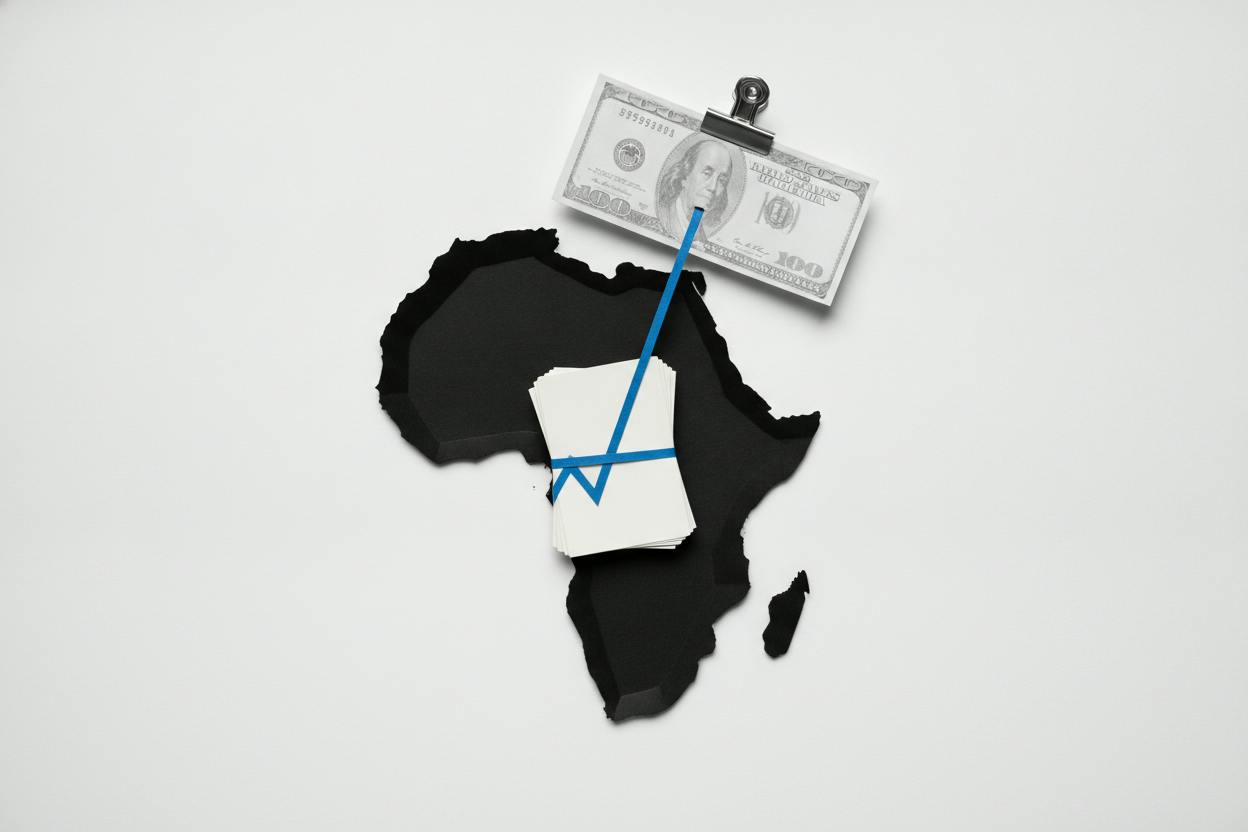
The Organisation for Economic Co-operation and Development (OECD) has issued a stark warning about the state of Africa's corporate debt market: it remains far too small to meet the continent's financing needs. In its Africa Capital Markets Report 2026, the OECD calculates that outstanding market-based corporate debt across all 54 African countries stood at $211 billion at the end of 2025. That figure, while not trivial, is dwarfed by the scale of investment required to support economic growth and development across the continent.
The report, which draws on LSEG bond and loan records and Preqin private credit data, argues that capital markets are not yet providing enough long-term financing. This shortfall, the OECD says, limits growth and makes African economies more vulnerable during downturns. When companies cannot access affordable, long-term funding, they are forced to rely on shorter-term or more expensive sources of capital, which can stifle expansion and innovation.
A closer look at the numbers
The OECD's analysis highlights a particular problem in the corporate bond market. It estimates Africa's corporate bond market at just $35 billion, a figure that is 44% smaller than what might be expected given the continent's economic size. This gap suggests that many African companies are not using bonds as a financing tool, even when they might benefit from doing so.
Perhaps more concerning is the currency mismatch. The OECD notes that most new borrowing still isn't in local currency. When companies borrow in foreign currencies—typically US dollars or euros—they take on exchange-rate risk. If the local currency weakens, the cost of servicing that debt rises, potentially squeezing cash flows and leading to financial distress. This is a familiar problem in emerging markets, where a sudden currency depreciation can turn manageable debt into a crisis.
Why this matters for investors
For everyday investors, this report is a reminder of the risks and opportunities in African markets. A shallow corporate debt market means that companies may struggle to raise capital, which can limit their growth and, in turn, the returns available to equity investors. It also means that the continent's economies are more exposed to external shocks, as they lack the buffer of a deep domestic bond market.
However, the OECD's findings also point to potential opportunities. As African capital markets develop, there could be room for growth in local-currency bonds and other financing instruments. For investors with a long-term horizon, this could open up new avenues for diversification. But it also underscores the importance of understanding the specific risks, particularly currency risk, that come with investing in emerging markets.
The report's emphasis on local-currency issuance is particularly relevant for those watching emerging market stocks, where currency movements can have a significant impact on returns. A shift toward local-currency borrowing could help stabilize corporate balance sheets and reduce the volatility that often deters foreign investors.
The broader context
The OECD's report comes at a time when global investors are increasingly looking for yield in places beyond developed markets. With interest rates in major economies having risen over the past few years, the appeal of higher-yielding assets in Africa and other emerging regions has grown. Yet, as the report makes clear, the infrastructure to support such investments is still developing.
For comparison, other emerging markets have made more progress in building their corporate debt markets. The OECD's findings suggest that Africa lags behind, partly due to underdeveloped legal and regulatory frameworks, as well as a lack of investor confidence. These are structural issues that cannot be fixed overnight.
Investors should also consider the broader economic backdrop. The report's release coincides with a period of mixed signals in global markets, from currency fluctuations to shifts in market concentration. For those with exposure to African assets, the OECD's data is a useful reminder to keep an eye on debt sustainability and currency trends.
What to watch next
Looking ahead, the key question is whether African governments and companies will take steps to deepen their capital markets. The OECD's report is likely to add to calls for policy reforms that encourage local-currency bond issuance and improve market infrastructure. For investors, the development of these markets could create new opportunities, but it will require patience and a tolerance for risk.
In the meantime, the message from the OECD is clear: Africa's corporate debt market is still too small, and that has real consequences for growth and resilience. For the continent to unlock its potential, it will need to build the financial plumbing that allows companies to borrow in their own currencies and over the long term. Until then, investors should approach African markets with a clear-eyed understanding of the risks involved.