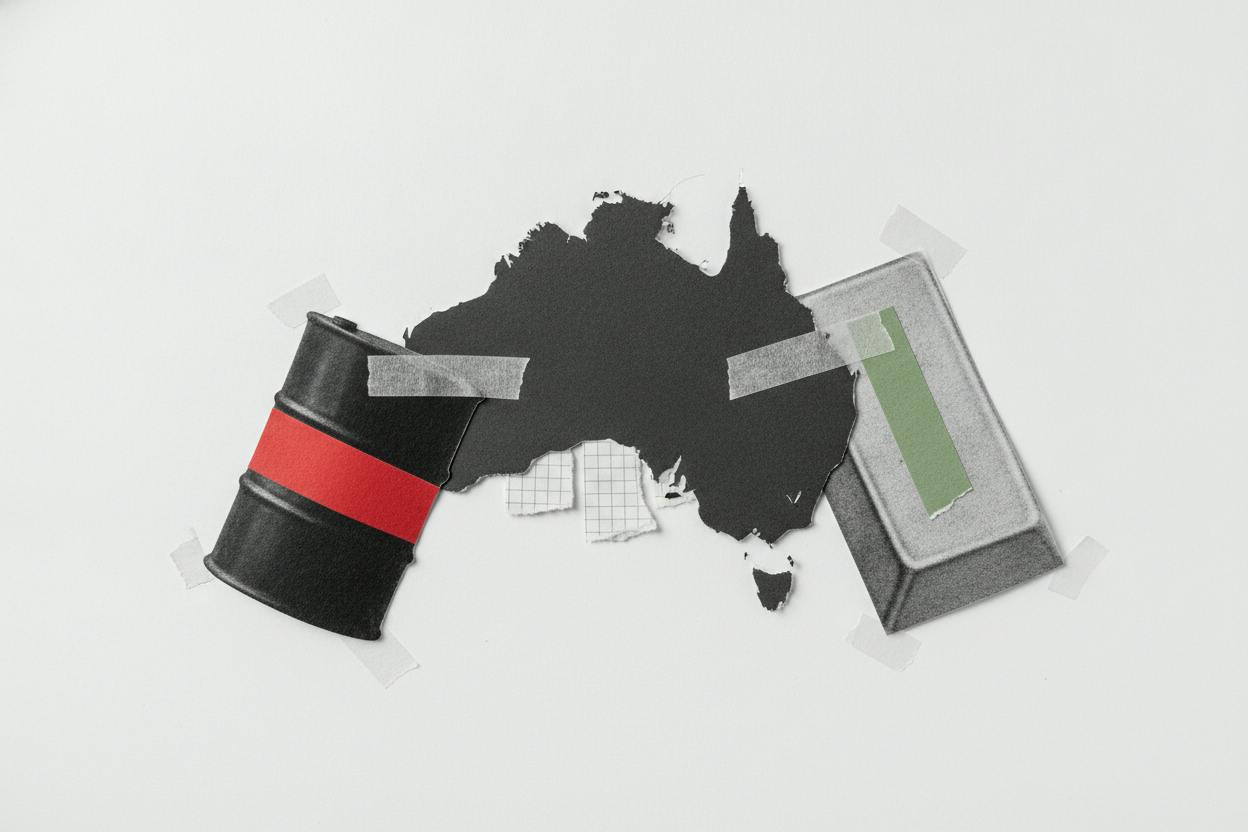
Australian stocks are poised for a brighter open on Friday after a sharp jump in oil prices and firmer gold overnight helped offset a downbeat session for global equities. Crude futures climbed more than 4% as investors weighed fresh Middle East supply risks and hurricane-related disruptions along the US Gulf Coast. The move comes after Australia's benchmark index fell 0.8% on Thursday, a decline that had been driven by weakness in tech and other rate-sensitive sectors.
Commodities lead while tech stumbles
The overnight mood was split. US stocks mostly slipped, but commodities did the heavy lifting. Oil climbed on supply-risk headlines, while gold edged higher as investors weighed an uncertain US interest-rate path against sticky government debt and geopolitical risk. That mix matters in Australia because energy and mining stocks carry real weight in the local index. When crude and bullion rise together, they can quickly reshuffle which sectors lead the market, sometimes offsetting weakness coming from global tech-heavy moves.
For everyday investors, the takeaway is that the Australian market's fortunes are often tied to commodity prices, not just to what happens on Wall Street. A jump in oil and gold can provide a buffer when global tech stocks are struggling, which is why Friday's rebound is expected to be led by resources and energy names.
Company updates reinforce the commodity link
Two company updates underscored the importance of commodities to the local market. DPM Metals, a gold miner, said preliminary third-quarter output was 97,000 gold-equivalent ounces in concentrate, but it sold 77,000 gold-equivalent ounces of “payable metals” during the quarter. The distinction matters because revenue is tied to what is actually sold, not just produced. Gold prices don't move miners' profits one-for-one: many costs – labor, equipment, site overheads – are slow to adjust, so a higher metal price can widen margins quickly. But that effect shows up fastest on ounces actually sold, not just produced into inventory.
That's why DPM Metals' split matters. The 97,000 gold-equivalent ounces produced helps frame longer-run capacity, but the 77,000 gold-equivalent ounces of sold payable metals is the more direct bridge from gold's price to reported quarterly revenue. In other words, near-term earnings expectations and investor sentiment can end up more sensitive to gold's moves than the headline production figure alone suggests.
Separately, Guzman y Gomez, a fast-food chain, reported fiscal first-quarter network sales of AU$387.5 million, up from AU$326.3 million a year earlier, helped by 7.1% comparable sales growth and new restaurant openings. While not a commodity play, the result shows that consumer-facing businesses are still finding ways to grow, even as households face cost-of-living pressures.
What to watch next
Next week's Reserve Bank of Australia meeting minutes are the next key local checkpoint. Any change in the expected path for rates can ripple through bank shares, housing sentiment, and the Australian dollar. Investors will be parsing the minutes for clues about whether the central bank is leaning toward another hike or a hold, and how it views the balance between inflation and economic growth.
For now, the immediate focus is on whether the commodity-led rebound can hold. If oil and gold continue to climb, energy and mining stocks could carry the index higher. But if the global tech selloff deepens, the bounce could be short-lived. As always, the key is to watch how the different pieces move together.
What it means for investors
For Australian investors, the overnight action is a reminder that commodity prices are a major driver of the local market. A 4% jump in oil can quickly change the outlook for energy companies, while a firmer gold price can boost miners' margins. But it's important to remember that these moves can be volatile, and what goes up can come down just as fast.
Investors should also note that the link between commodity prices and company earnings is not always straightforward. As DPM Metals shows, production figures and sales figures can differ, and it's the sales that ultimately drive revenue. So while a rising gold price is generally positive for miners, the actual impact on a company's bottom line depends on how much it can sell and at what cost.
For those with a diversified portfolio, the key is to stay balanced. Commodity-driven rallies can be powerful, but they can also reverse quickly if geopolitical tensions ease or if hurricane disruptions fade. Keeping an eye on the broader economic backdrop, including interest rates and inflation, is just as important as tracking the latest move in oil or gold.
As always, this is not financial advice. It's about understanding the forces that move markets so you can make informed decisions about your own investments.