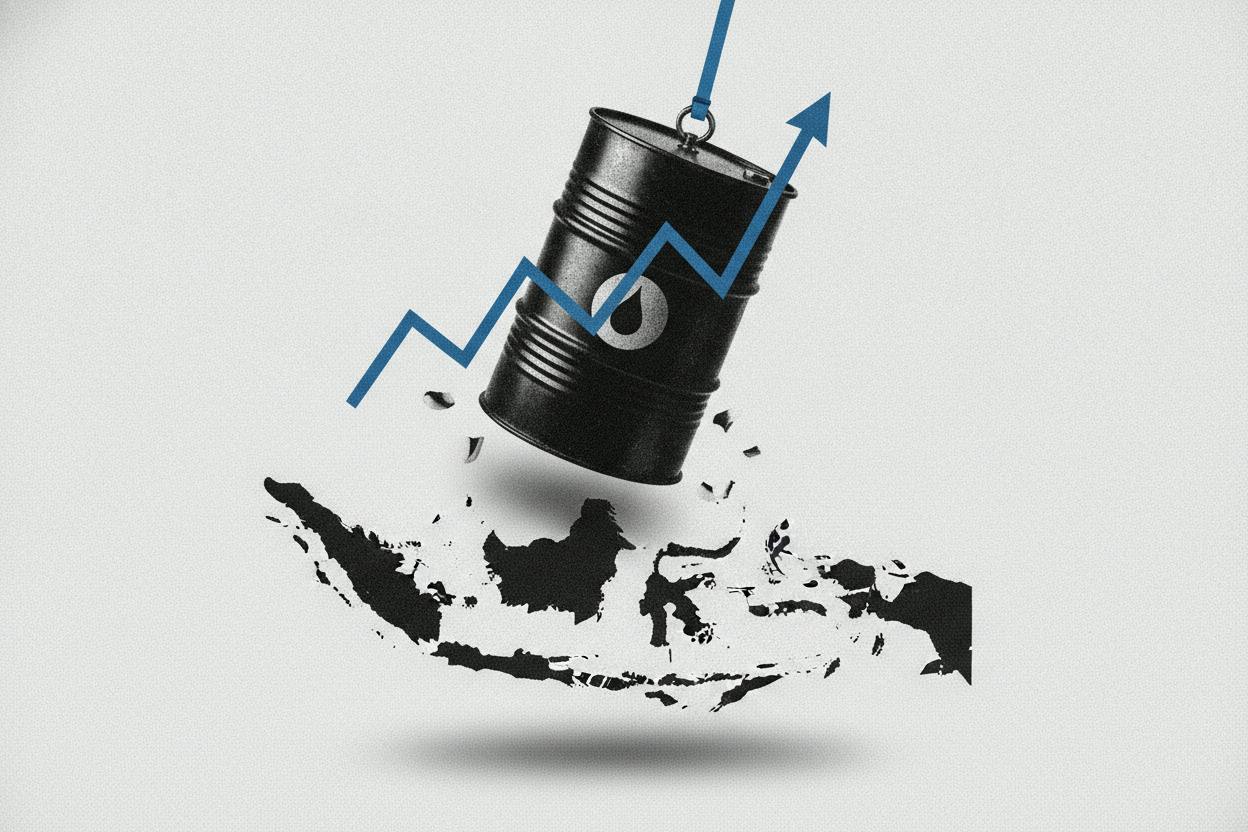
Emerging Asian currencies came under pressure on [day], with Thailand's baht sliding as much as 0.8% against the dollar. The move reflects a familiar squeeze: rising oil prices, elevated US Treasury yields, and a dollar hovering near a two-month high are all pulling money out of the region's riskier assets.
The 10-year US Treasury yield remained above 5.1%, a level not seen in years, while the dollar index stayed firm. For investors in emerging markets, that combination is a double whammy—higher yields in the US make dollar-denominated assets more attractive, and a stronger dollar makes it more expensive for countries that import oil.
Why higher US yields hurt Asian currencies
When US Treasury yields rise, the gap between what you can earn in dollars versus local currencies widens. That reduces the so-called "carry" advantage—the extra interest you pick up by holding a higher-yielding currency like the baht or the rupee. As that advantage shrinks, investors are more likely to move money back into the greenback.
MUFG, a Japanese bank, noted that this dynamic is weakening rate support across Asia. Central banks in the region have been trying to defend their currencies by raising interest rates, but if US yields keep climbing, those efforts become less effective. "The carry trade is being unwound," said [analyst name], a currency strategist at [firm]. "Investors are asking why they should hold Asian currencies when they can get similar or better returns in dollars with less risk."
Oil prices add another layer of pain. Thailand, like many Asian economies, is a net importer of oil. When crude prices rise, the country's import bill swells, which can worsen its trade balance and put further downward pressure on the baht. The recent climb in oil prices—driven by supply concerns and geopolitical tensions—has made the region's currencies more vulnerable.
What this means for investors
For everyday investors, the immediate takeaway is that emerging market assets, especially currencies, are likely to stay volatile as long as US yields remain high. If you hold mutual funds or ETFs that invest in Asian stocks or bonds, you may see currency swings affect your returns. A weaker local currency can erode the value of your investment when converted back to dollars.
That said, not all emerging markets are equally exposed. Countries with strong current account surpluses, like Taiwan or South Korea, tend to weather these storms better than those with deficits, like India or Thailand. The Indian rupee, for instance, has been under pressure near 96 per dollar, and the central bank has stepped in to defend it, as reported earlier.
Investors should also watch how central banks respond. If the Federal Reserve signals it will keep rates higher for longer, the dollar could stay strong, and Asian currencies may continue to slide. On the other hand, any sign that US inflation is cooling could ease pressure on yields and give emerging markets a breather.
Broader market context
The pressure on Asian currencies is part of a wider trend. US Treasury yields have been climbing for weeks, with the 30-year yield near levels not seen since 2004, as noted in a recent market recap. That has ripple effects across global markets, from gold prices to Latin American equities, as seen in other regions.
For Thailand specifically, the currency weakness comes at a delicate time. The government has set a growth target of 2.5% for next year, with plans to boost the chip industry and provide subsidies, as outlined in a recent report. A weaker baht could help exports by making Thai goods cheaper abroad, but it also raises the cost of imported energy and food, which can fuel inflation.
Investors will be watching the next set of US economic data, including durable goods orders and consumer sentiment, for clues on the Fed's next move. If those numbers come in strong, yields could push even higher, and the dollar could extend its gains. If they disappoint, the pressure on Asian currencies might ease.
For now, the message is clear: in a world of high US yields and firm oil prices, emerging Asian currencies are likely to remain under pressure. Investors should stay diversified and keep an eye on currency movements when assessing their international holdings.