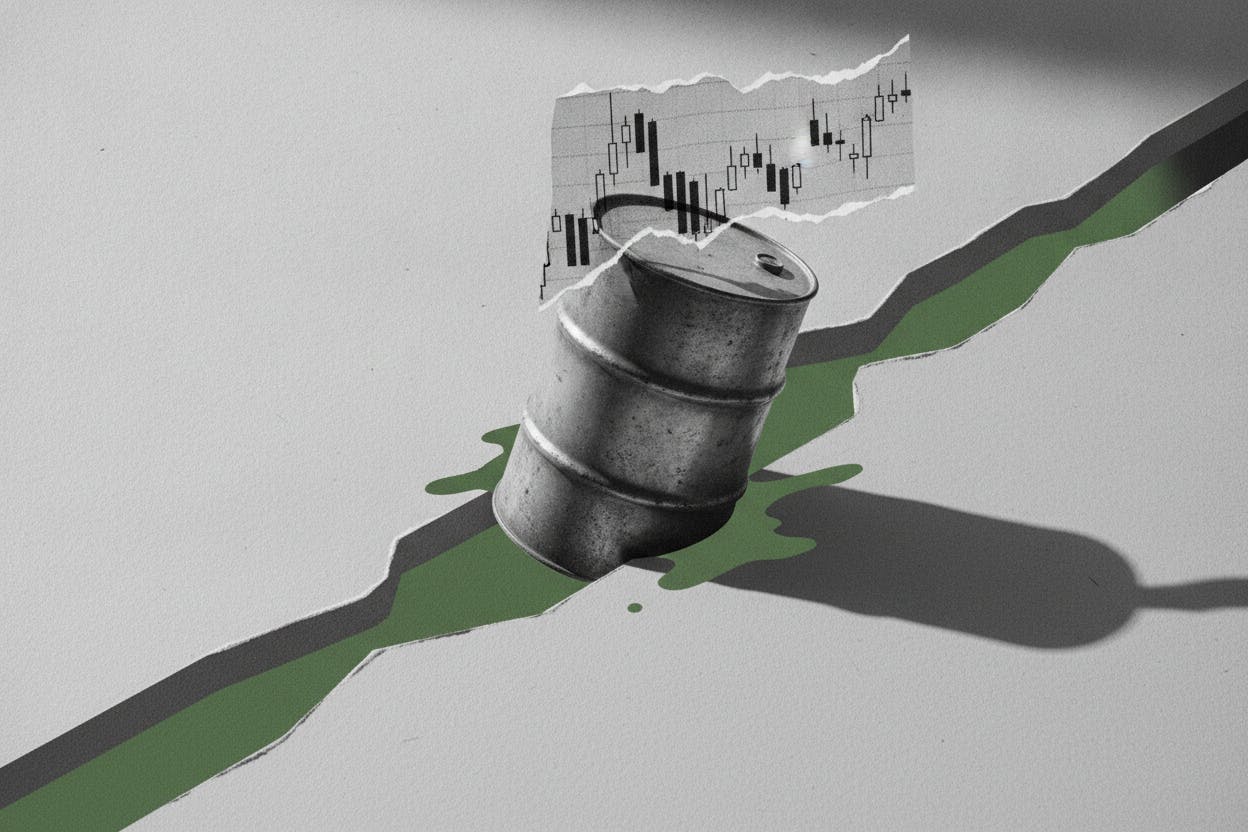
Global markets took a cautious step back on Tuesday as oil prices extended their gains, with the Strait of Hormuz—a critical chokepoint for global crude shipments—looking set to remain closed. Brent crude rose 1.29% to $88.90 a barrel, while US benchmark West Texas Intermediate added 1.22% to $83.17. The move came after oil had already jumped about 5% on Monday on rising US-Iran tensions.
The trigger for the latest leg higher was a statement from Iran's new Supreme National Security Council secretary, who said the strait will stay closed unless the US meets Iran's conditions to end the war, according to Reuters. That kept crude firm and weighed on risk appetite across equity markets.
Stocks slip as investors weigh geopolitical risk
The MSCI global stock index fell 0.28%, while the S&P 500 slipped 0.38% and the tech-heavy Nasdaq dropped 0.79%. The declines were broad but modest, reflecting a market that is already on edge after a strong run and now faces a fresh geopolitical shock.
The Strait of Hormuz is one of the world's most important oil shipping lanes, with roughly a fifth of global petroleum consumption passing through it. Any disruption there has an outsized effect on energy prices and can quickly ripple through the broader economy, as higher oil costs feed into everything from gasoline to shipping and manufacturing.
For investors, the immediate concern is that a prolonged closure could push oil prices higher for longer, adding to inflationary pressures at a time when central banks are trying to bring price growth down. That is why Tuesday's move in oil was enough to knock stocks off their recent highs, even though the declines were not dramatic.
All eyes on Wednesday's inflation report
Adding to the cautious mood, traders are looking ahead to Wednesday's release of the July US Consumer Price Index (CPI) report. CPI measures the change in prices paid by consumers for a basket of goods and services and is a key gauge of inflation. The data is expected to offer clues about whether the Federal Reserve will cut interest rates at its September meeting.
Investors have been hoping for a rate cut to ease borrowing costs and support economic growth. But if inflation comes in hotter than expected, those hopes could fade, and the Fed may keep rates higher for longer. Conversely, a cooler reading could strengthen the case for a cut, potentially boosting stocks.
The combination of geopolitical risk and a major economic data point is a classic recipe for market volatility. In such moments, investors often trim positions and move to safer assets, which is exactly what Tuesday's trading suggested.
What it means for investors
For everyday investors, the key takeaway is that oil prices are a double-edged sword. On one hand, higher crude prices can lift energy stocks and the broader energy sector. On the other, they can squeeze consumers and businesses, hurting corporate profits and complicating the Fed's job.
Energy stocks have been a bright spot in recent sessions, but the broader market is feeling the pinch. The Nasdaq's 0.79% drop highlights how tech and growth stocks, which are more sensitive to interest rate expectations, can be hit harder when inflation worries resurface.
It's also worth remembering that geopolitical events like this can be unpredictable. The situation in the Strait of Hormuz could change quickly, and oil prices could reverse just as fast. Investors should avoid making hasty decisions based on a single day's headlines and instead focus on their long-term goals.
Wednesday's CPI report will be the next major catalyst. If inflation shows signs of cooling, it could ease some of the pressure on stocks, even with oil elevated. But if the data comes in hot, the market could face another leg down.
For now, the message from the market is clear: uncertainty is back, and that usually means more volatility ahead. Keeping a diversified portfolio and staying the course remains a sensible approach for most investors.