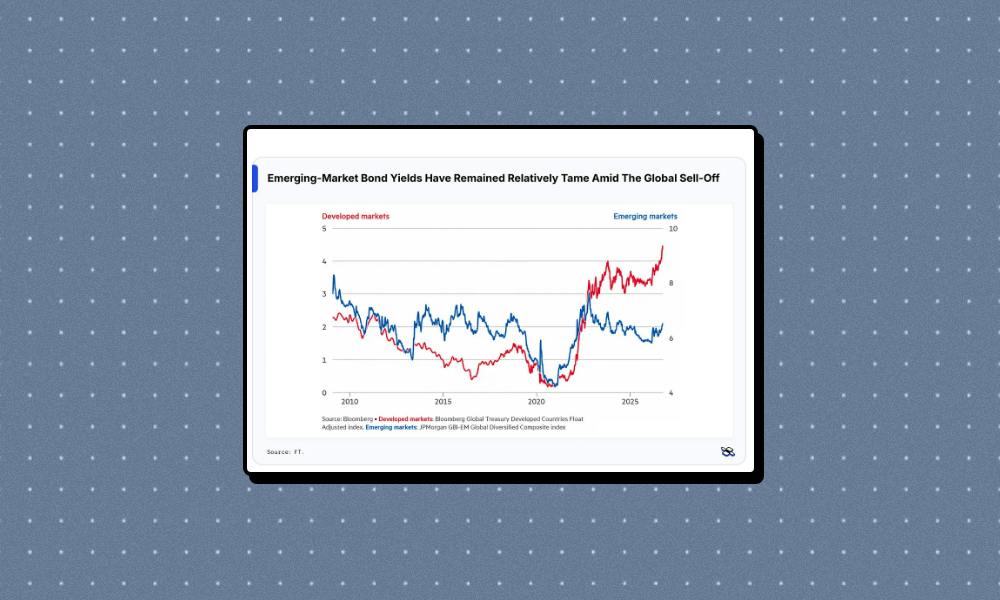
Markets opened the week in a cautious mood, with oil prices edging higher and the Japanese yen hovering near 40-year lows. Investors are now turning their attention to the Federal Reserve's latest meeting minutes, due later this week, for clues on the path of interest rates.
Oil Edges Higher on Supply Concerns
Crude oil prices ticked up on Tuesday, as traders looked past immediate geopolitical risks in the Middle East and focused on supply dynamics. The move comes amid ongoing uncertainty about global oil supplies, with OPEC's production decisions and inventory levels in focus.
The modest gain in oil prices reflects a broader market sentiment that supply constraints may outweigh short-term geopolitical tensions. Analysts note that while conflicts in the region can cause volatility, the market is increasingly pricing in a more stable supply outlook.
Yen Stays Near 40-Year Low
The Japanese yen remained under pressure, trading near its weakest level against the US dollar in four decades. The currency's decline has been driven by the wide interest rate gap between Japan and the United States, with the Bank of Japan maintaining ultra-low rates while the Fed has hiked aggressively.
This persistent weakness has implications for global markets. A weaker yen makes Japanese exports cheaper, but it also raises import costs for Japan, which relies heavily on energy and raw materials. For investors, the yen's slide is a reminder of how central bank policies continue to shape currency markets.
The Aussie dollar edged higher against the yen, reflecting the broader trend of yen weakness.
Fed Minutes in Focus
Investors are now waiting for the release of the Federal Reserve's meeting minutes from its June policy meeting. The minutes, due on Wednesday, are expected to provide more detail on the central bank's thinking about inflation, the labor market, and the timing of potential rate cuts.
The Fed held rates steady at its June meeting, but signaled that it expects to cut rates later this year. However, recent data showing stubborn inflation has raised doubts about how soon those cuts will come. The minutes could offer clues on whether policymakers are leaning toward a cut in September or later.
For everyday investors, the Fed's next move is crucial. Lower interest rates tend to boost stock prices by making borrowing cheaper and reducing the appeal of bonds. But if the Fed delays cuts, it could keep pressure on growth stocks and increase volatility.
Asian Markets Drift Lower
Asian stocks drifted lower on Tuesday, as the cautious mood weighed on regional markets. Even a blockbuster profit forecast from Samsung Electronics, South Korea's largest chipmaker, failed to lift the broader market. Samsung forecast a 19-fold jump in second-quarter profit, driven by strong demand for memory chips used in artificial intelligence.
The muted reaction to Samsung's news highlights how macro factors like currency moves and interest rate expectations are currently dominating investor sentiment. One company's good news can't always overpower broader economic worries.
In China, yuan strength and bond yields have been luring foreign investors back, but the overall market remains cautious amid concerns about the country's economic recovery.
What It Means for Investors
For everyday investors, the current market environment is a reminder to focus on the big picture. Oil prices, currency moves, and central bank policy are all interconnected, and they can have a significant impact on portfolios.
Higher oil prices can boost energy stocks but may also increase costs for consumers and businesses, potentially weighing on the broader economy. A weaker yen can benefit Japanese exporters but may hurt investors holding yen-denominated assets.
The Fed's minutes will be closely watched for any shift in tone. If the central bank signals a more cautious approach to rate cuts, it could lead to further volatility in stocks and bonds. On the other hand, any hint of a sooner-than-expected cut could spark a rally.
As always, diversification remains key. Holding a mix of assets—stocks, bonds, and commodities—can help smooth out the bumps from any single market move.