Oil prices climbed Wednesday after reports linked Iran-backed Houthis to attacks on Saudi targets, reviving concerns about supply disruptions in a region that anchors global crude exports. The move highlights how quickly geopolitical tensions can ripple through energy markets.
What happened
Headlines said the Houthis claimed an attack on a Saudi oil refinery, and Al Jazeera reported 11 injuries from a drone strike in Riyadh's financial district. In response, the nearest-month contracts repriced sharply: January West Texas Intermediate (WTI) rose 1% to $82.89 a barrel, while January Brent climbed 1.7% to $92.95.
These moves reflect what traders call a "risk premium" — the extra amount buyers are willing to pay for crude when future supply feels less certain. When a major producer like Saudi Arabia faces threats, the market immediately prices in the possibility of disrupted exports.
Elsewhere, gold slipped 2.8% as traders leaned further into expectations that the Federal Reserve will raise interest rates next month. Higher rates typically hurt non-yielding assets like gold, which pays no interest or dividend, making it less attractive compared with bonds or cash.
Why the curve matters
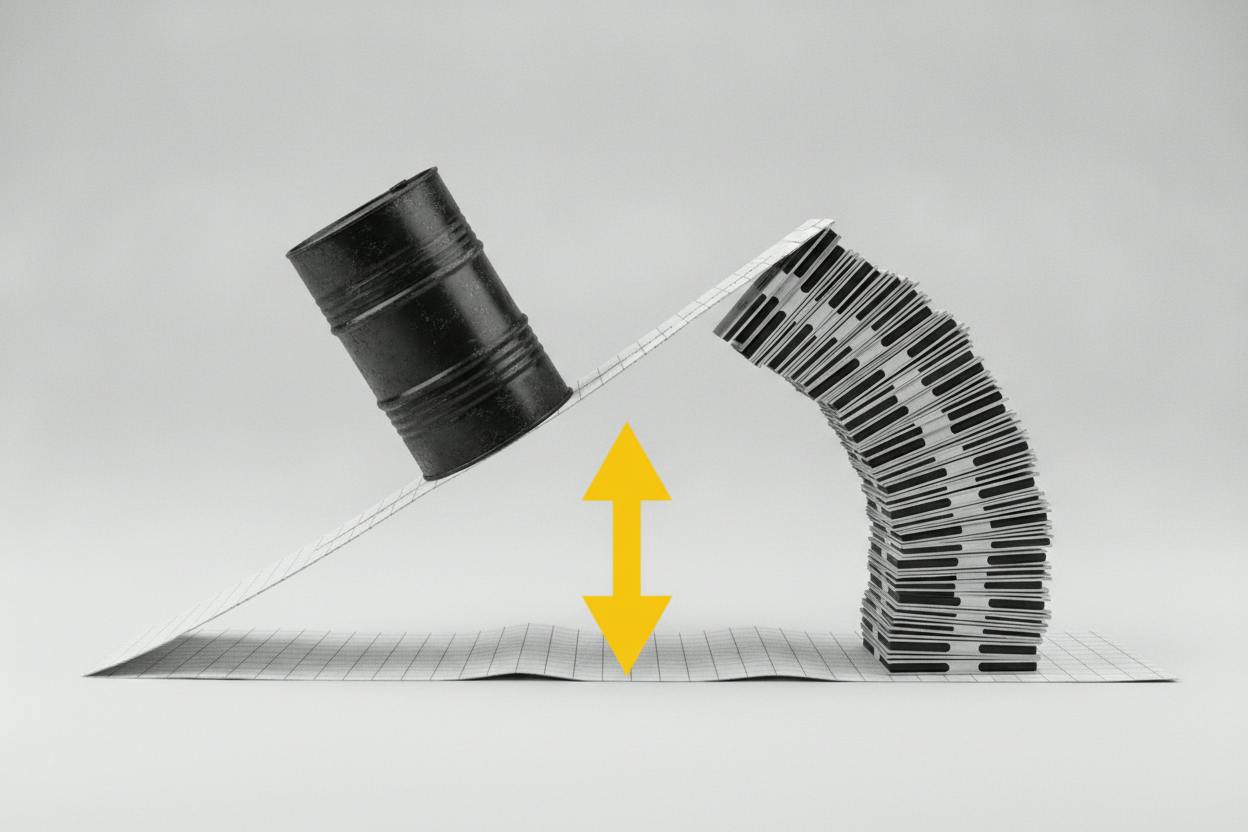
When Saudi-related risks pop up, the market often doesn't lift all oil prices evenly. Instead, traders tend to bid up barrels that can be delivered soon and pay more for near-dated hedges, so pressure lands hardest on prompt Brent-linked contracts. If those fears linger, the forward curve can tilt into deeper "backwardation" — a situation where near-term prices sit above later ones — as buyers compete for immediate supply.
That curve shape matters for funds and businesses that roll crude exposure each month, because it can change roll costs and make the Brent–WTI spread wider. For everyday investors, it's a reminder that oil prices aren't a single number; the structure of the futures market tells its own story about supply and demand.
What it means for investors
For markets, January Brent at $92.95 shows how fast the front month can reprice on Middle East risk. But investors should be cautious about reading too much into a single day's move. Geopolitical events often cause sharp spikes that fade if supply isn't actually disrupted.
Still, the attacks come at a time when the oil market is already tight, with inventories low and demand recovering. If the situation escalates, prices could stay elevated, feeding into inflation and potentially influencing central bank policy. That's a key reason why oil moves are watched closely by equity and bond investors alike.
For those with exposure to energy stocks or commodities, this is a reminder that geopolitical risk can be a double-edged sword: it can boost oil prices and related equities, but it also adds volatility and uncertainty to the broader market. Diversification remains a core strategy for weathering such swings.
Gold's decline, meanwhile, reflects a different driver: monetary policy. With the Fed expected to raise rates, the opportunity cost of holding gold rises, pushing prices down. Investors who hold gold as a hedge against inflation or uncertainty may need to weigh these competing forces.
Looking ahead
Traders will be watching for any further developments in the Middle East, as well as upcoming economic data that could influence the Fed's decision. A rate hike next month is now widely priced in, but the size and pace of future moves remain uncertain.
For now, the oil market is sending a clear signal: geopolitical risk is back on the table, and it's adding a premium to crude. How long that premium lasts depends on whether the attacks escalate or fade — and whether supply is actually hit.