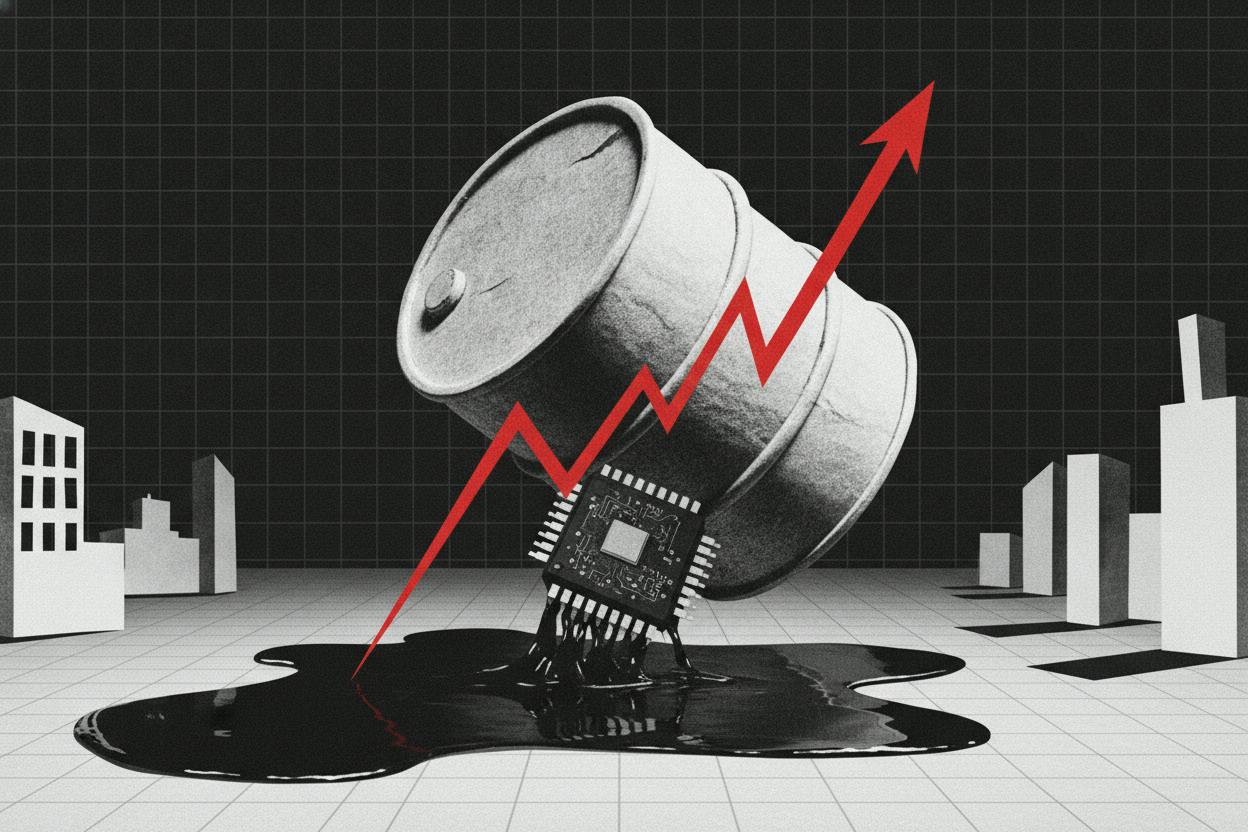
Stocks were pointing to a lower open on Thursday as rising tensions in the Gulf pushed oil prices closer to the $100 mark and weighed on technology shares, particularly semiconductors.
In premarket futures trading, the S&P 500 was down 0.9%, the Dow Jones Industrial Average slipped 0.6%, and the tech-heavy Nasdaq fell 1.6%. The moves came as West Texas Intermediate (WTI) crude, the US benchmark, jumped 2.2% to $99.26 a barrel.
The trigger was a US order to evacuate some personnel and their families from Saudi Arabia, following deadly Houthi missile attacks on Saudi transport and energy sites. The development reminded markets how quickly supply fears can reprice crude.
Why oil at $100 matters
A move toward triple-digit oil is about more than just the price at the pump. Higher energy costs can keep inflation stickier, which in turn makes it harder for central banks to cut interest rates soon. That's a key concern for investors who have been hoping for relief from high borrowing costs.
At the same time, nervous investors often park money in US Treasuries as a safe haven. That helped explain why the 10-year Treasury yield eased to 5.07% even as stocks slipped. But the bond rally didn't translate into broad equity gains, because the oil shock adds uncertainty to the inflation and policy outlook.
Chip stocks take the brunt
Technology shares, especially chipmakers, bore the brunt of the selling. The VanEck Semiconductor ETF was down 3.1% in premarket trading. The reason: tech valuations rely heavily on profits expected far in the future, and those future earnings are more sensitive to changes in interest rates and inflation expectations.
When oil jumps, investors often rework their assumptions for inflation and interest rates. That effectively raises the “discount rate” markets use to value future profits, which tends to hurt rate-sensitive growth areas where much of the value sits years out. Semiconductors are a classic example.
That's why chip-heavy pockets can slide even if Treasury yields dip on a short-lived safe-haven bid: bonds can rally on fear, while equities still mark down growth valuations because the oil shock adds uncertainty to the inflation and policy path.
Energy names show resilience
Meanwhile, companies tied more directly to energy pricing can look comparatively resilient during these risk-off sessions. Refiner Valero Energy gained 1.3% in premarket trading after beating quarterly expectations, illustrating how higher oil prices can benefit some parts of the market even as they hurt others.
This divergence is a reminder that not all stocks move together. While tech and other growth areas may struggle when oil spikes, energy producers and refiners often see their profits rise with crude prices.
What it means for investors
For everyday investors, the key takeaway is that oil at $99.26 is the kind of print that can hit chip stocks harder than refiners like Valero. It's a signal that markets are pricing in two risks at once: higher energy costs and more geopolitical uncertainty.
If oil continues to climb toward $100 and beyond, expect continued volatility in growth stocks, particularly in the tech sector. At the same time, energy-linked investments may offer some cushion, though they come with their own risks.
Investors should also watch how central banks respond. If oil keeps inflation elevated, rate cuts could be delayed, which would put further pressure on high-valuation stocks. On the other hand, if tensions ease and oil retreats, some of the selling could reverse quickly.
For now, the market is in a wait-and-see mode, with oil prices and geopolitical headlines likely to drive trading in the near term.