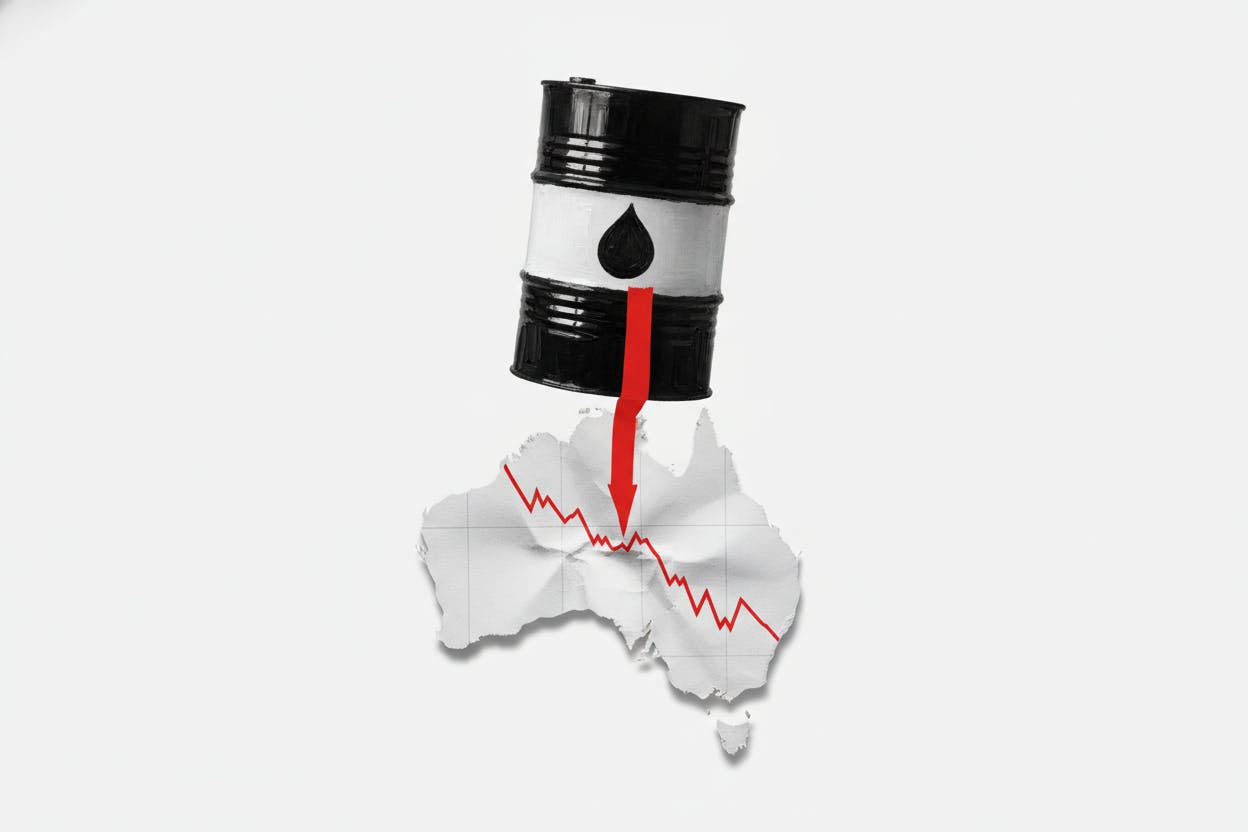
Australian shares are bracing for a lower open after oil prices surged more than 4% to five-week highs, triggered by renewed fighting between the United States and Iran. The jump in crude comes alongside a downbeat session on Wall Street, where major US indexes fell between 0.7% and 1% overnight.
For everyday investors, the immediate takeaway is simple: when energy prices spike on geopolitical tensions, markets tend to get nervous. The worry isn't just about the cost of filling up the car or heating a home—it's about what higher oil means for inflation, interest rates, and corporate profits.
Why oil is climbing
The latest surge in crude prices follows a flare-up in hostilities between the US and Iran, raising fears about the security of key supply routes in the Middle East. The Strait of Hormuz, a narrow waterway between the Persian Gulf and the Gulf of Oman, is one of the world's most critical oil chokepoints. Roughly a fifth of global oil consumption passes through it, so any threat to shipping there can quickly push prices higher.
Oil at five-week highs reflects the market pricing in a higher risk premium—the extra cost traders assign to oil when they worry supply could be disrupted. Even if actual shipments haven't been halted, the mere possibility is enough to move prices.
This isn't the first time geopolitical tensions have rattled energy markets. Historically, conflicts in oil-producing regions have led to sharp, sometimes prolonged, spikes in crude prices. The key question for investors is whether this is a short-term blip or the start of a sustained rally.
What higher oil means for the broader market
When oil rises quickly, the effects ripple through the economy. For companies, energy is a major input cost. Airlines, trucking firms, and logistics companies feel the pinch almost immediately, as fuel is one of their biggest expenses. Consumer-facing businesses—from retailers to food producers—also face higher costs for transporting goods, which can squeeze profit margins.
But the impact goes beyond individual companies. Higher oil prices feed into inflation, and inflation is the key driver of central bank policy. If traders believe price pressures will persist, they often adjust their expectations for how long interest rates will stay elevated. That's a crucial dynamic because higher rates tend to weigh on stock valuations, particularly for growth-oriented companies whose future earnings are discounted more heavily.
This is exactly the chain reaction that played out overnight in the US, where the combination of rising oil and falling equities suggested investors were worried about both inflation and the potential for slower economic growth. The same logic is likely to apply when the Australian market opens.
What it means for Australian investors
For Australian shareholders, the immediate effect is likely to be a weaker start to the trading day. Energy stocks, such as oil and gas producers, could benefit from higher crude prices, but the broader market may struggle as investors weigh the negative implications for other sectors.
Transport, retail, and any industry with heavy fuel exposure are the most vulnerable. Supermarket chains, airlines, and delivery companies could see their costs rise, which might eventually be passed on to consumers—or eat into their profits if they can't.
The inflation angle is also important for Australian interest rates. If oil keeps climbing, it could add to domestic price pressures, complicating the Reserve Bank of Australia's task of bringing inflation back to target. That could mean interest rates stay higher for longer than many hope, which would be a headwind for property prices and for stocks that rely on cheap borrowing.
Investors should also keep an eye on the Australian dollar. A jump in oil prices can sometimes support the currency, as Australia is a net importer of oil, but the broader risk-off mood could offset that.
What to watch next
The key variable is whether the US-Iran situation escalates or cools. Any further military action could push oil even higher, while diplomatic progress might quickly unwind the gains. Traders will also be watching weekly oil inventory data and any comments from central bank officials about how they view the inflation outlook.
For Australian investors, the best approach is to stay informed and avoid making hasty decisions based on a single day's move. Oil spikes on geopolitical news can be sharp but often fade if the underlying supply disruption doesn't materialise. However, if the conflict persists, the effects on inflation and rates could be more lasting.
In the meantime, expect some volatility in energy-related stocks and in sectors sensitive to fuel costs. The broader market may take its cue from how Wall Street reacts in the coming sessions, and whether the selling pressure spreads beyond the initial knee-jerk response.
As always, diversification remains a key tool for weathering these kinds of shocks. Having exposure to a mix of sectors and asset classes can help cushion the impact of a sudden oil-driven selloff.