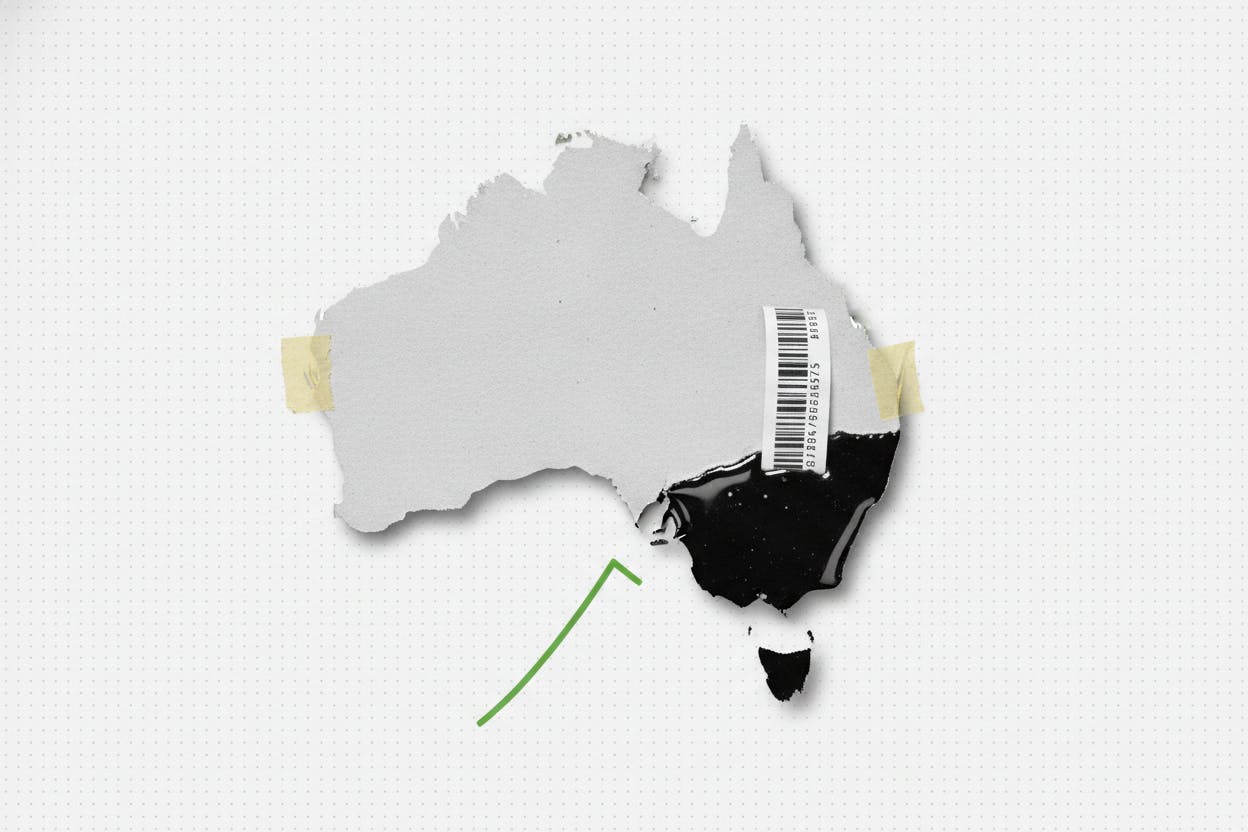
Australian shares are poised to open higher on Tuesday after oil prices tumbled more than 5% to a three-week low, driven by hopes that US-Iran diplomacy could ease tensions in the Middle East. The drop in crude eased fears of supply disruptions through the Strait of Hormuz, a critical shipping lane for global oil.
The positive tone was reinforced by a strong session on Wall Street, where the S&P 500 rose 1.8% and the Nasdaq climbed 2.6%, signalling improved risk appetite among global investors. That backdrop is likely to support Australian equities at the open, with energy stocks expected to be the main drag as oil prices fall.
Why oil prices matter
Oil is a key input for many businesses, so a significant drop in crude prices can be a double-edged sword. On one hand, lower oil reduces fuel and shipping costs for companies, which can boost profit margins. On the other, it hurts energy producers and related industries, whose revenues are tied to the price of crude.
For everyday investors, the broader effect is often more important. Cheaper oil can help cool inflation, because energy is a major component of consumer prices. That, in turn, could give central banks more room to ease monetary policy, which tends to support stock valuations. The recent slide in oil has already been linked to lower Treasury yields and reduced expectations of Federal Reserve rate hikes.
Services activity hits six-month high
On the domestic front, a July survey from S&P Global, a market data firm, showed that Australia's services activity reached a six-month high. The services sector covers everything from retail and hospitality to finance and healthcare, so it is a broad measure of economic health.
The improvement suggests that the Australian economy is showing some resilience, even as the Reserve Bank has kept interest rates at elevated levels to combat inflation. A stronger services sector could support corporate earnings and consumer spending, which are key drivers of the local share market.
However, the picture is mixed. While services are picking up, other parts of the economy, such as manufacturing, have been softer. Investors will be watching to see whether the momentum in services can be sustained in the coming months.
What it means for investors
For Australian investors, the combination of lower oil prices and stronger services activity is generally a positive sign. Lower energy costs can help reduce inflationary pressures, which might allow the Reserve Bank to start cutting interest rates sooner than expected. That would be a boost for rate-sensitive sectors like property and consumer discretionary stocks.
But the energy sector itself is likely to come under pressure. Companies that produce oil and gas, such as Woodside and Santos, typically see their share prices fall when crude prices drop. Investors with exposure to these stocks should be prepared for some volatility.
The broader market, however, may benefit from the improved risk sentiment. The strong US session and the easing of geopolitical tensions could encourage investors to move back into equities, particularly in sectors that were hit hard by the recent uncertainty.
As always, it's important to remember that markets can be unpredictable. While the current signals are positive, investors should focus on their long-term goals rather than reacting to short-term moves. Diversification remains a key strategy to manage risk.
Looking ahead, all eyes will be on the next moves in US-Iran diplomacy and any further developments in the oil market. A sustained drop in crude prices could provide a tailwind for global equities, but a reversal in talks could quickly change the picture.
For now, the outlook for Australian shares appears brighter, with the combination of lower oil and stronger local services activity offering a supportive backdrop for the trading day.