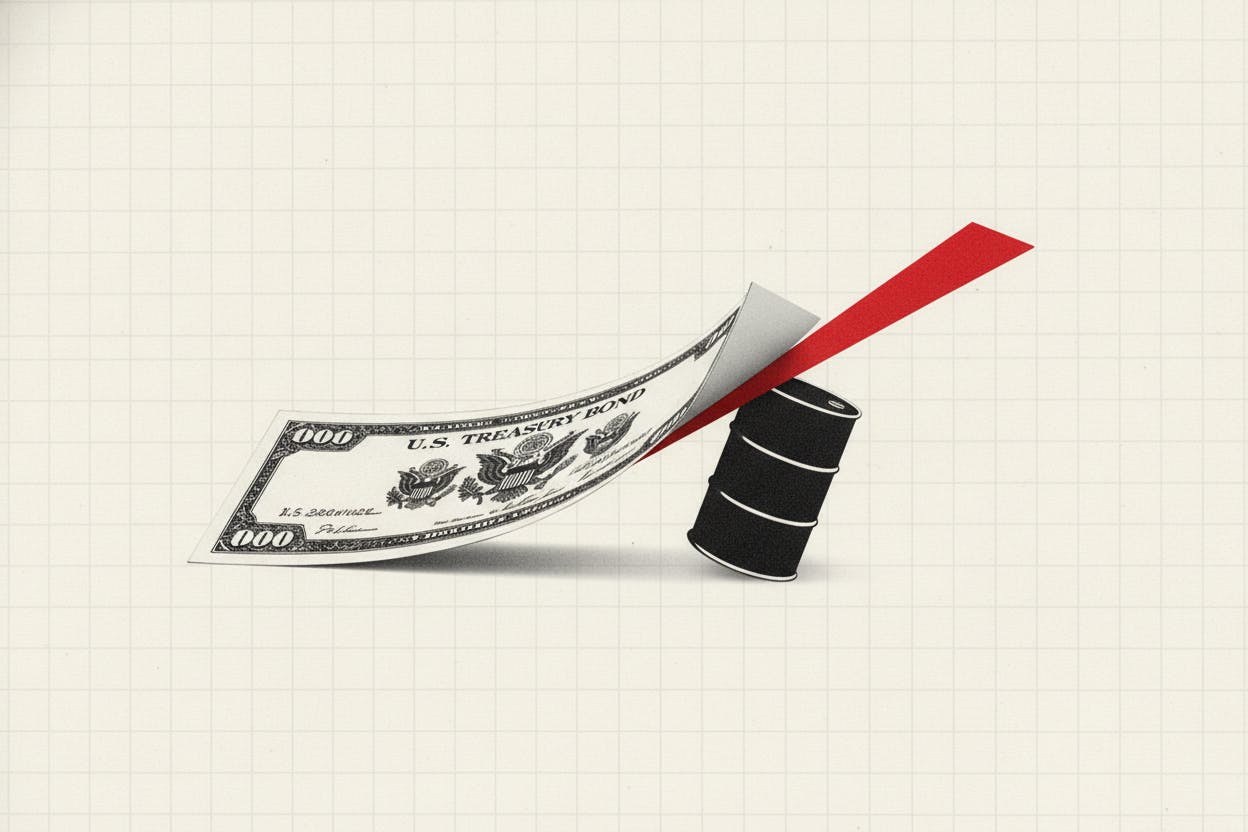
Oil prices jumped on Monday after reports of new US strikes on Iranian targets and an Iranian response, pushing Brent crude above $91 a barrel. The move rippled through global markets, with longer-term US Treasury yields rising as investors weighed the risk that higher energy costs could keep inflation stubbornly high.
The 10-year Treasury yield climbed to about 4.764%, while the 30-year yield also moved higher. These are the rates that underpin mortgages, corporate borrowing, and many other long-term loans, so moves here matter far beyond the bond market.
Why oil is moving markets
Oil is one of the most important commodities in the global economy. When crude prices rise, the cost of shipping goods, flying planes, and running factories all tend to follow. That means sustained oil strength can feed directly into the inflation that central banks like the Federal Reserve are trying to control.
The latest jump came after reports of US strikes on Iranian missile launchers and an Iranian response, a reminder that geopolitical tensions can quickly change expectations about energy supply. The Strait of Hormuz, a narrow waterway through which a large share of the world's oil travels, sits at the center of these concerns. Any disruption there could tighten supply faster than producers can compensate.
For context, Brent crude had already been nearing $90 in recent days, and the new strikes pushed it decisively above that level. Energy markets are now pricing in a higher risk premium, meaning traders expect more volatility and potential supply disruptions.
The bond market's reaction
Long-term Treasury yields are sensitive to inflation expectations. When investors think prices will rise faster, they demand higher yields to compensate for the erosion of purchasing power over time. That is exactly what happened on Monday.
The 10-year yield, which is a benchmark for mortgage rates and other long-term borrowing costs, rose to about 4.764%. The 30-year yield also climbed. These moves reflect a growing belief that the Fed may need to keep interest rates higher for longer, or even raise them again, to bring inflation back to its 2% target.
Markets are now pricing in a higher chance of a September rate hike. Just a few weeks ago, many investors expected the Fed to hold rates steady or even cut them later this year. The oil shock has upended those expectations, at least for now.
This is not just a US story. UAE stocks slipped as tensions rose, and the FTSE 100 edged higher as energy stocks gained on the back of higher crude prices. In Canada, tech and oil gains offset a slide in bank stocks, showing how the oil move is rippling through equity markets worldwide.
What it means for investors
For everyday investors, the key takeaway is that oil and interest rates are deeply connected. When oil prices spike, it can push up inflation expectations, which in turn pushes up long-term bond yields. Higher yields make borrowing more expensive for consumers and businesses, and they can also make stocks less attractive relative to bonds.
If you hold bonds or bond funds, rising yields mean falling prices in the short term. But for new investors, higher yields also mean better income potential going forward. For stock investors, the picture is more mixed: energy companies tend to benefit from higher crude prices, while sectors like airlines and consumer goods that rely heavily on fuel or shipping costs may see their margins squeezed.
The situation is fluid. Geopolitical events can reverse quickly, and oil prices can fall as fast as they rise. But the market's reaction shows how sensitive investors are to any sign that inflation might not be cooling as quickly as hoped.
Looking ahead, all eyes will be on the Federal Reserve's next meeting in September. If oil prices stay elevated, the case for a rate hike becomes stronger. If they retreat, the pressure may ease. Either way, the bond market's move on Monday is a clear signal that energy prices are back at the center of the inflation debate.
For now, investors should expect more volatility in both oil and interest rates. Keeping a diversified portfolio—one that includes a mix of stocks, bonds, and perhaps some commodities exposure—can help weather these swings. But as always, it's important to focus on your own time horizon and risk tolerance rather than reacting to every headline.



