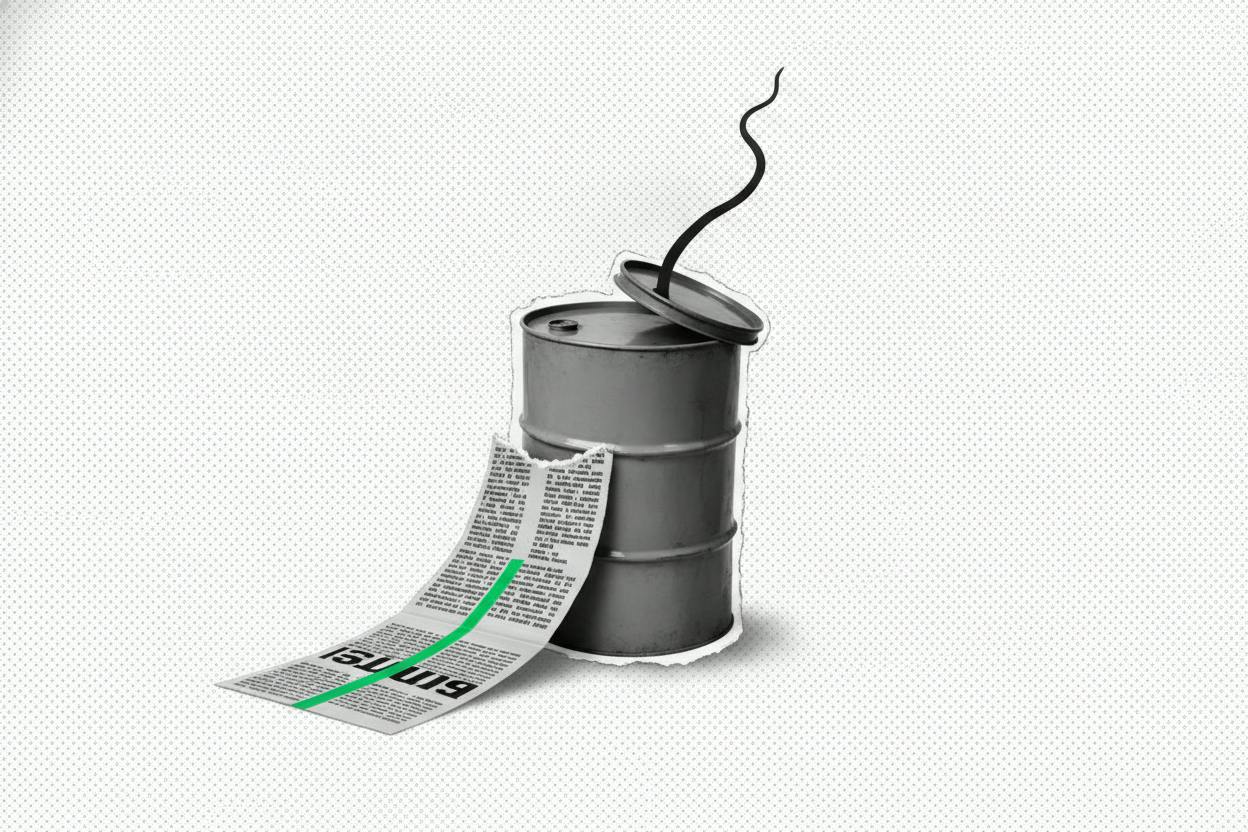
Oil prices slipped on Wednesday, with Brent crude dipping below $114 a barrel, after reports that Washington is exploring a diplomatic off-ramp with Iran. The move comes as investors weigh the potential for eased supply disruptions against a Federal Reserve that remains cautious on inflation.
According to a Wall Street Journal report, the US has been reaching out to Iran, signaling a possible de-escalation in tensions. Even without a formal deal, the mere possibility of reduced conflict can lower the odds traders assign to a sudden supply shock, shrinking the "risk premium"—the extra amount buyers pay as insurance against a disruption.
Why oil's dip matters beyond the pump
Energy is a direct input into transportation, power generation, and the production of countless goods. When oil prices spike, the cost of everything from gasoline to shipping rises, feeding into broader inflation. Conversely, a drop in crude can ease near-term inflation pressures, even if the effect takes time to show up in official data.
For investors, this is significant because inflation expectations are a key driver of interest-rate policy. If oil prices stay subdued, the risk of a renewed inflation flare-up diminishes, which could influence how aggressively central banks—particularly the Fed—need to act.
That dynamic often shows up first in the most rate-sensitive corners of the market: short-term rate expectations and stocks whose valuations depend heavily on future interest rates. A cooler inflation outlook can support those assets, even if the Fed's baseline remains unchanged.
Fed holds rates in a split decision
Meanwhile, the Federal Reserve kept its benchmark interest rate unchanged in a 10-2 vote, a rare split that underscores internal disagreement about the path forward. The central bank repeated that inflation "remains elevated," signaling it is not ready to declare victory over price pressures.
The decision was widely expected, but the dissents highlight the debate within the Fed about whether to pause or continue tightening. For everyday investors, the takeaway is that borrowing costs are likely to stay higher for longer, which affects everything from mortgage rates to the returns on savings accounts.
In a related development, the dollar slipped after the Fed's decision, while gold prices also eased as Treasury yields rose. These moves reflect the market's ongoing adjustment to a restrictive policy stance.
Italy's budget leans on bank levies
Across the Atlantic, Italy approved a €26 billion budget that relies partly on higher levies on banks and financial transactions to fund tax cuts. The move is aimed at boosting growth, but it could tighten financial conditions at home, as banks may pass on the costs to consumers or reduce lending.
For investors, this is a reminder that fiscal policy can have ripple effects beyond a single country. Italy's budget could influence European bank stocks and broader market sentiment, especially if it signals a trend toward taxing financial institutions to fund government spending.
The budget also comes as the European Central Bank continues its own fight against inflation, and any tightening of financial conditions in the eurozone could add to the pressure.
What it means for investors
For markets, Brent below $114 can quickly cool inflation tail-risk without changing the Fed's baseline. A lot of oil's price during tense periods is about probabilities, not today's supply: when headlines suggest a lower chance of disruption, the risk premium can fade fast. That can take some pressure off market-based inflation expectations, even if the Fed is still focused on sticky price growth after its 10-2 hold.
The knock-on effect tends to show up in the most rate-sensitive places first: expectations for where policy goes next, and stocks whose valuations depend heavily on lower future rates. For everyday investors, this means keeping an eye on oil prices as a leading indicator for inflation and, by extension, for how long the Fed might keep rates elevated.
While no one can predict the next headline, the interplay between geopolitics, energy prices, and central bank policy will continue to drive market moves. Staying informed and diversified remains a prudent approach.