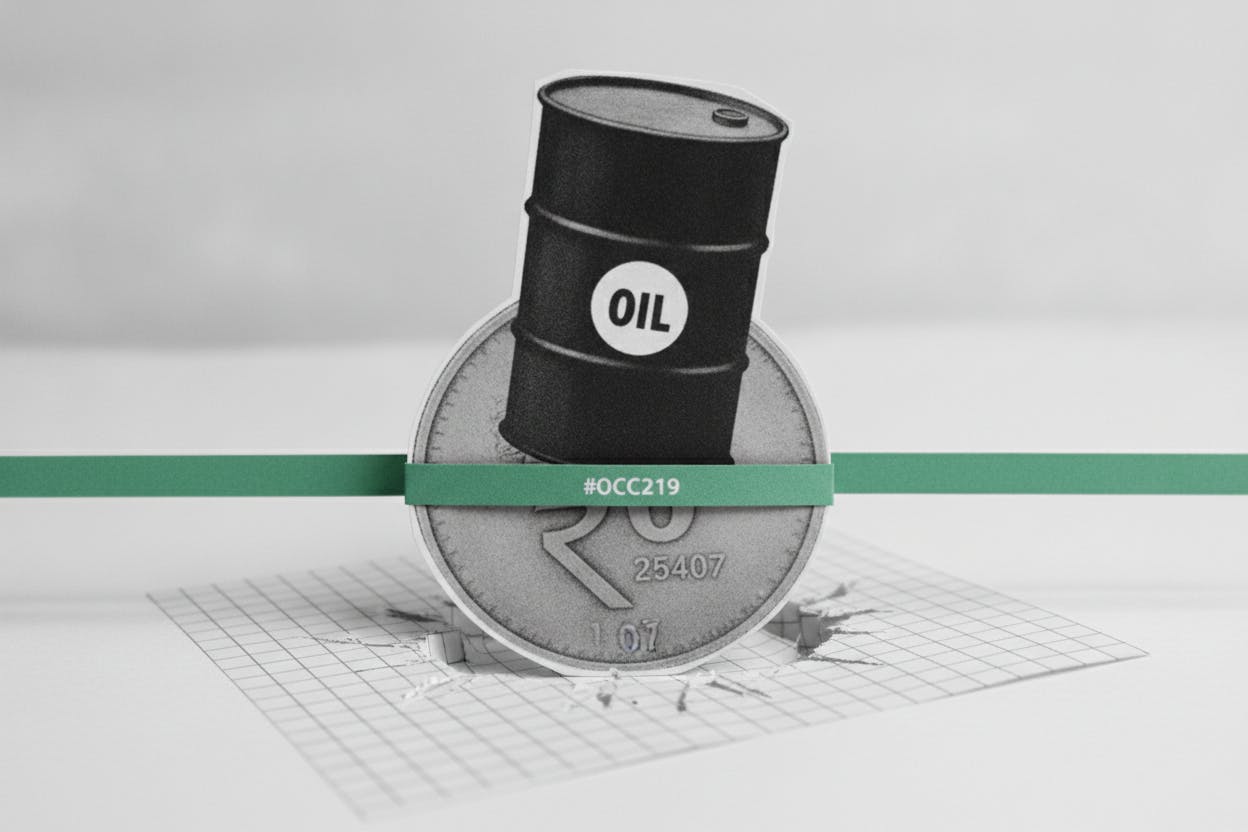
Oil prices have surged again, and that is bad news for India's rupee. Brent crude, the global benchmark, climbed past $92.50 a barrel on Tuesday as ongoing US-Iran military strikes rattled energy markets. For India—a country that imports roughly 85% of its oil—every dollar rise in crude makes the import bill heavier and puts downward pressure on the currency.
The rupee has already been trading near recent lows against the US dollar, and traders now expect the Reserve Bank of India (RBI) to step in and defend the currency around the 96.50 level. That is a psychologically important threshold, close to where the rupee hit its weakest point in recent months.
Why Oil Hits India Harder Than Most
India is the world's third-largest oil consumer and importer. When Brent crude rises, local companies—from airlines to refiners to paint manufacturers—need more dollars to pay for their energy needs. That increased demand for dollars pushes the rupee lower. A weaker rupee then makes imports even more expensive, creating a feedback loop that can fuel inflation.
The RBI has been actively managing the currency, using its foreign-exchange reserves to smooth out sharp moves. The central bank has also encouraged fresh foreign inflows into Indian bonds and equities, which helps offset some of the dollar demand from oil purchases. But a sustained rally in crude makes that job harder.
This is not the first time oil has tested the rupee this year. In recent weeks, Brent had already climbed above $91 on Red Sea shipping disruptions, as we covered in Asian Stocks Rally as Chipmakers Rebound, Oil Hits $91.55 on Red Sea Risks. The latest spike, driven by direct US-Iran strikes, has added a geopolitical premium that could persist.
What the RBI Can Do—and What It Means for Investors
The RBI has a well-established playbook for defending the rupee. It can sell US dollars from its reserves to increase supply and support the currency. It can also raise interest rates, though that would slow economic growth. For now, traders are watching for intervention near 96.50, a level the central bank has historically defended.
For everyday investors, a weaker rupee has mixed implications. If you hold Indian stocks or bonds, a falling rupee can reduce the value of your returns when converted to dollars. On the other hand, companies that earn revenue in dollars—like IT services firms and pharmaceutical exporters—tend to benefit from a weaker rupee because their exports become more competitive.
Inflation is another concern. India's central bank has been battling to keep consumer prices in check, and higher oil prices feed into everything from fuel costs to transportation and manufacturing. That could delay any rate cuts the RBI might have been considering, which would be a headwind for rate-sensitive sectors like housing and auto loans.
Meanwhile, the broader market is also watching how oil-sensitive sectors perform. Indian FMCG (fast-moving consumer goods) companies, for instance, are already facing margin pressure from rising input costs, as we noted in India's FMCG Giants Face Margin Squeeze as Input Costs Outpace Price Hikes. Higher oil prices could compound that squeeze by raising packaging and transportation expenses.
What to Watch Next
The key question for the rupee is whether oil prices stay elevated. If the US-Iran conflict escalates further, Brent could test $95 or even $100. That would force the RBI to intervene more aggressively, potentially draining its foreign-exchange reserves. On the other hand, if tensions ease, oil could pull back, giving the rupee some breathing room.
Traders will also be watching India's inflation data and the RBI's next monetary policy meeting. Any signs that the central bank is shifting its stance—either to defend the currency or to support growth—could move markets.
For now, the rupee remains on the back foot, and the RBI's willingness to defend 96.50 will be the key line in the sand. Investors with exposure to Indian assets should keep a close eye on oil prices and central bank actions in the days ahead.



