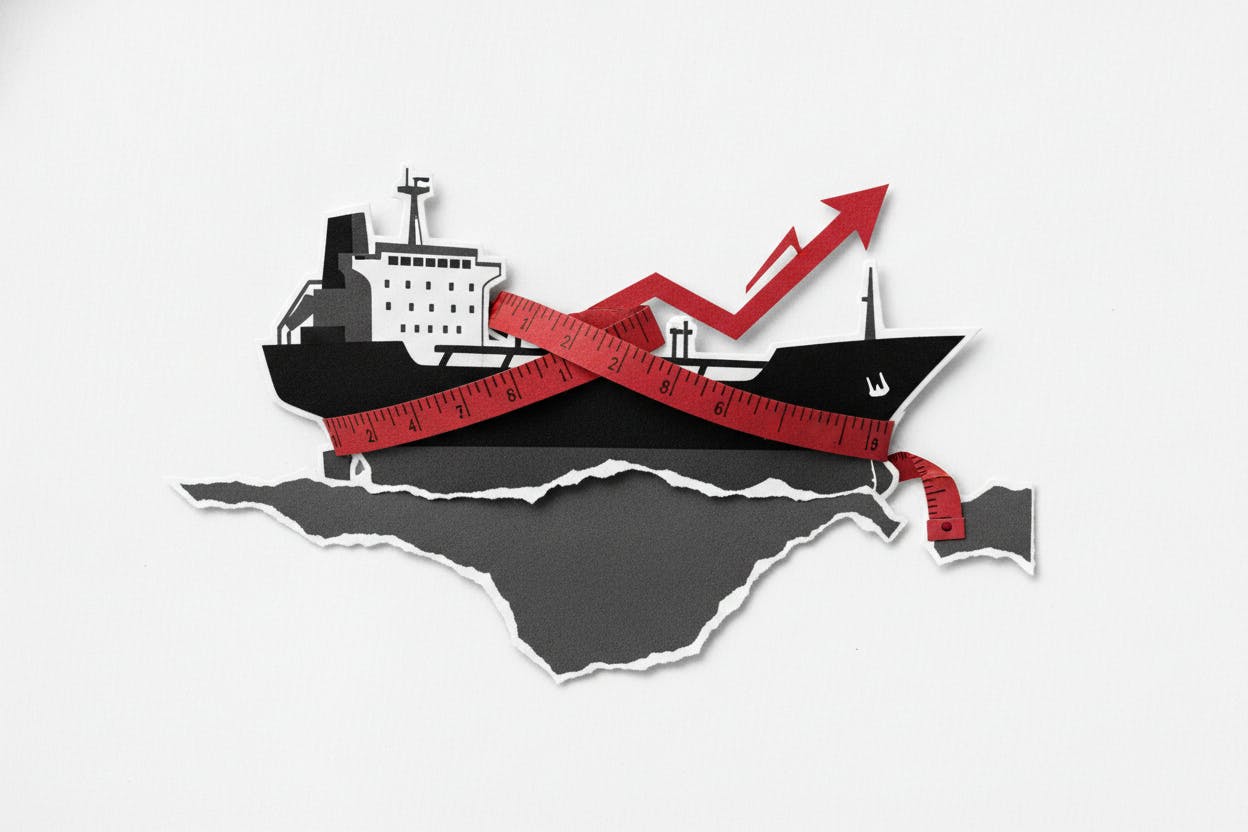
Markets took a sharp turn lower on Thursday as escalating attacks on oil tankers in the Red Sea drove crude prices above $100 a barrel for the first time in months, pushing Treasury yields higher and sending US stocks into a tailspin. The Nasdaq Composite fell 2.1%, with major tech names bearing the brunt of the sell-off.
The catalyst was a series of Houthi strikes on Saudi-flagged tankers transiting the Red Sea, a critical chokepoint for global oil shipments. The attacks raised fears of supply disruptions just as the market was already on edge about inflation and interest rates.
Oil and Yields Move in Tandem
Brent crude, the international benchmark, jumped 6.9% to $100.60 a barrel, while West Texas Intermediate (WTI) rose 6.3% to $92.33. The surge pushed energy stocks higher, but the broader market felt the pain as higher oil prices threaten to squeeze corporate margins and consumer spending.
At the same time, the 10-year Treasury yield climbed to 4.69%, after touching its highest intraday level in a year. Rising yields make borrowing more expensive for companies and consumers, and they also make bonds more attractive relative to stocks, prompting investors to rotate out of riskier assets.
This combination—rising energy costs and a higher “risk-free” rate—is a double blow for equities, particularly for growth and tech stocks that rely on future cash flows. When yields go up, the present value of those future earnings falls, and higher oil costs eat into profit margins.
Tech Stocks Take the Hit
The Nasdaq’s 2.1% decline was led by some of the biggest names in tech. Tesla tumbled 13%, while Alphabet, Google’s parent company, sank 6.6%. The moves reflect a broader reassessment of valuations in a higher-rate, higher-cost environment.
Investors are also watching for any spillover effects from the Red Sea disruptions on supply chains, which could hit tech companies that rely on global shipping for components and finished goods. The attacks add to a backdrop of geopolitical uncertainty that has already weighed on sentiment.
For context, the Red Sea is a vital route for oil and container ships, and any sustained disruption could push energy costs even higher. The Houthi attacks are part of a broader pattern of regional tensions that have periodically jolted markets over the past year.
What It Means for Investors
For everyday investors, the message is clear: the market is pricing in a more challenging environment. Higher oil prices mean higher costs at the pump and for heating, which can eat into household budgets. For companies, rising input costs and borrowing costs can squeeze profits, potentially leading to lower stock prices.
The jump in Treasury yields also means that bonds are offering a more attractive return than they have in years. For investors with a diversified portfolio, this can be a reminder to check their asset allocation and ensure they are not overexposed to stocks in a period of rising rates.
That said, not all sectors are suffering. Energy stocks have been rallying on the back of higher crude prices, and some investors see them as a hedge against inflation. But the broader market is clearly feeling the pressure, and the coming days will likely bring more volatility as traders digest the latest developments.
Looking ahead, all eyes will be on whether the Red Sea situation escalates further and whether central banks, including the Federal Reserve, will adjust their policy stance in response to the rising energy costs. For now, the message from the markets is one of caution.



