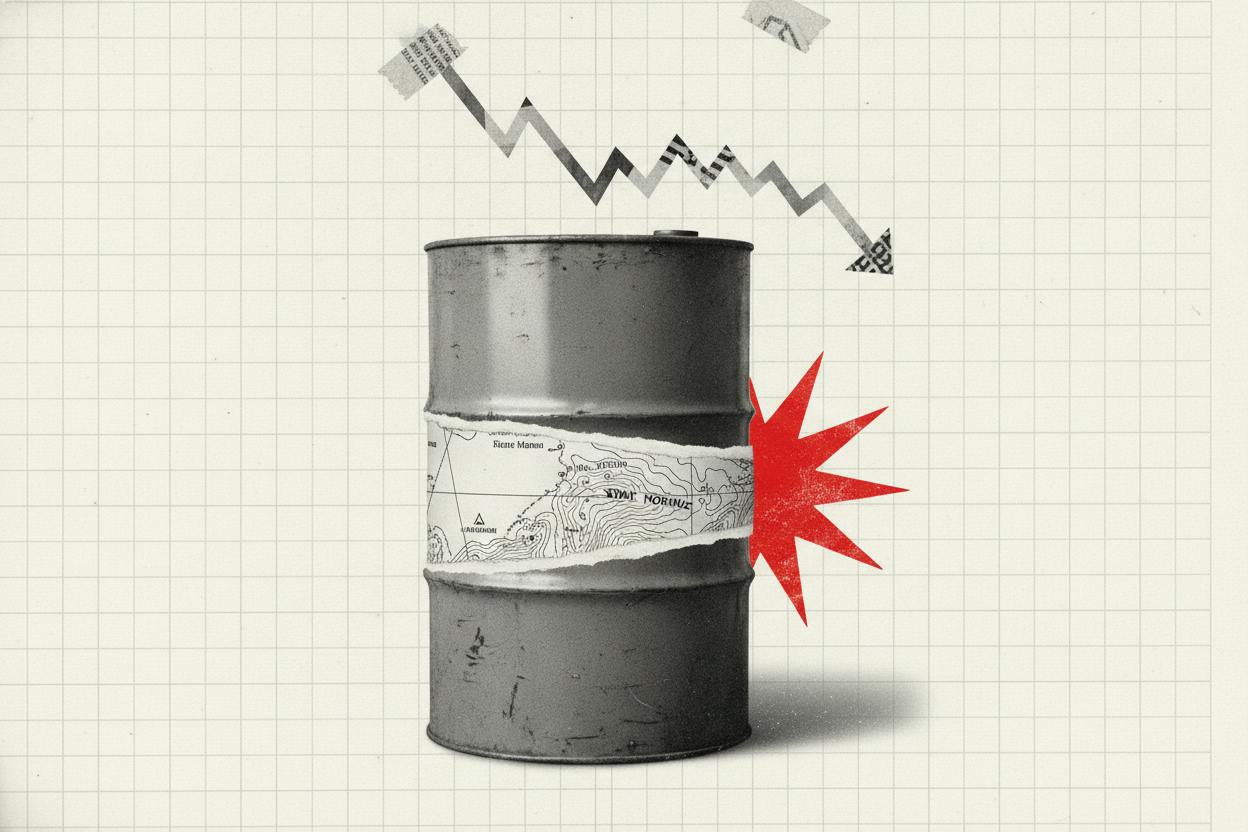
Oil prices edged higher early Friday after Houthi strikes on Riyadh and new tanker incidents in the Strait of Hormuz put supply risks back in focus. But the gains were modest, and Brent crude remained on track for a third consecutive weekly decline.
At 0118 GMT, Brent was trading at $92.22 a barrel, up slightly on the day but still down about 3.5% for the week, according to Reuters. The tug-of-war is simple: traders are weighing the chance of a sudden disruption in the Middle East against a market that still looks well supplied, with crude shipments through the Strait of Hormuz having returned to roughly pre-war levels.
Why geopolitical headlines aren't lifting prices
When the market expects extra barrels to be available soon, geopolitical headlines often fail to lift prices for long. Any spike tends to be met by selling from traders who anticipate a near-term surplus. That dynamic has been on full display this week, as attacks on Saudi Arabia and incidents near a key shipping chokepoint have not been enough to offset broader concerns about demand and ample supply.
The Strait of Hormuz is one of the world's most critical oil transit routes, with a significant share of global crude passing through it daily. Any disruption there can have outsized effects on prices. But the fact that shipments have returned to normal levels suggests the market is treating the latest flare-up as a risk rather than an actual loss of supply.
What investors are watching next
With the headline price stuck in a narrow range, investors are looking at other signals. The forward curve—whether near-term deliveries trade at a premium to later ones—and oil options' implied volatility, which is essentially the market's price for insurance against big swings, are more telling. If those measures stay calm, it implies investors expect flows to keep moving and any price pops to fade. If they steepen or jump, it's a sign the market is starting to price Middle East risks as more persistent.
Attention also turns to OPEC+. Expectations that the producer group will extend production cuts can keep a floor under prices, even as demand worries and supply resilience weigh on the week. The group's next meeting will be closely watched for signals on output policy.
What it means for your money
For everyday investors, the key takeaway is that oil prices can remain volatile even when the overall trend is down. A barrel of Brent near $92 is still historically high, and that has implications for energy stocks, inflation, and consumer spending. Higher oil prices can boost the earnings of oil producers, but they can also squeeze margins for airlines, shipping companies, and other fuel-intensive businesses.
If you hold a diversified portfolio, the direct impact may be muted, but energy sector moves can ripple through the broader market. For example, the Dow slid 1.7% earlier this week as oil climbed on the Riyadh attack and weak economic data, showing how geopolitical events can weigh on equities.
Investors should also keep an eye on energy stocks, which have been mixed even as oil prices rise, and on regional markets like Saudi stocks, which have slipped on tensions and hawkish Fed minutes.
Ultimately, the oil market is in a waiting game. If the Middle East situation escalates further, prices could spike. But if supply remains ample and demand concerns persist, the current downward trend may continue. For now, the market seems to be betting on the latter.