Darden Restaurants, the company behind Olive Garden and other casual-dining chains, reported first-quarter results that fell just short of Wall Street's expectations. The miss was enough to send shares down about 5% in premarket trading, even though management stuck with its full-year forecast.
The company said revenue rose 5.1% to $3.20 billion, slightly below the $3.21 billion analysts had penciled in, according to Reuters and LSEG data. Adjusted earnings came in at $2.05 per share, also a touch under forecasts. But the more telling detail was at Olive Garden, where same-restaurant sales—a key metric that tracks sales at locations open at least a year—came in weaker than expected.
What's behind the miss?
Same-restaurant sales are the lifeblood of restaurant chains because they show whether existing locations are drawing more or fewer customers, stripping out the effect of opening new stores. When this number disappoints, it suggests that the core brand is losing momentum, not just that the company is growing by adding more restaurants.
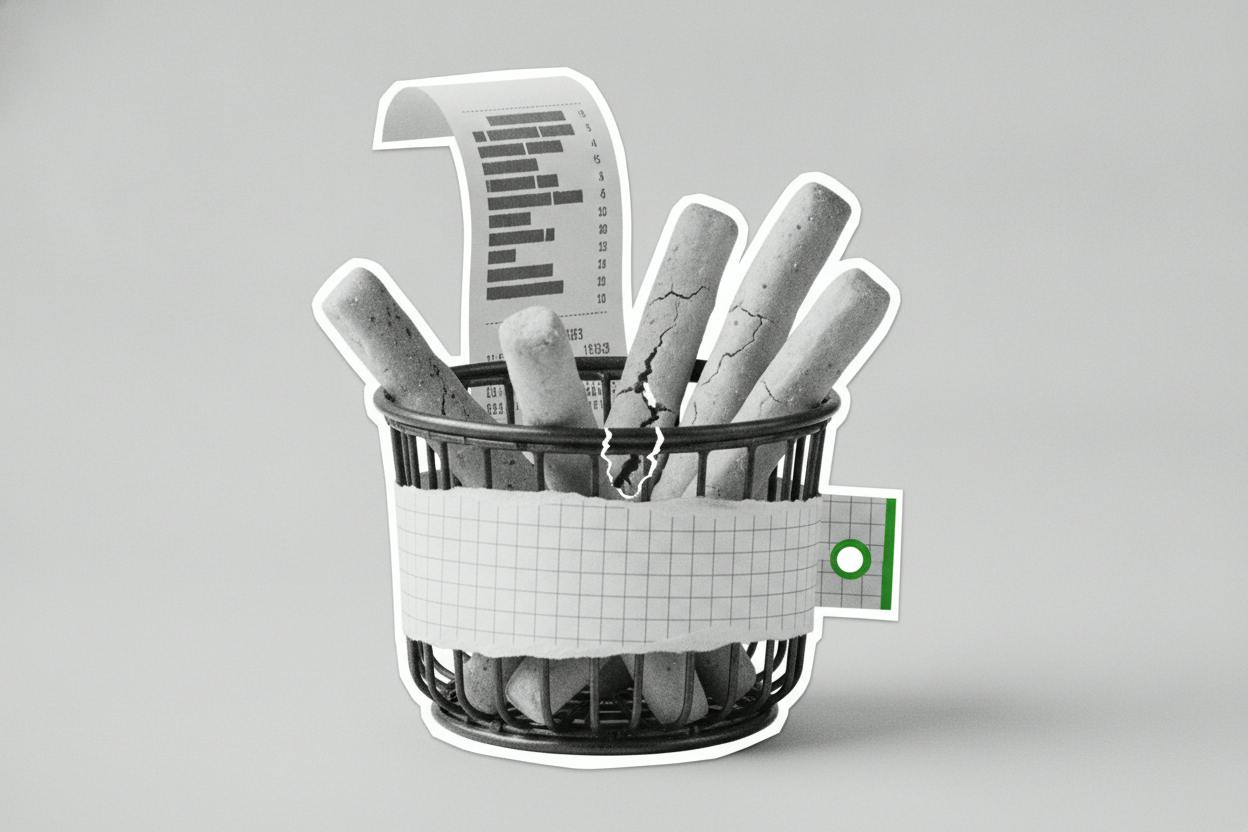
For Olive Garden, the softness points to a broader trend: diners are becoming more cautious with their spending. After months of inflation and higher interest rates, many households are trimming discretionary purchases, and eating out is often one of the first things to go. Even a value-oriented chain like Olive Garden, known for its endless breadsticks and affordable pasta, isn't immune.
This isn't an isolated story. Other consumer-facing companies have recently flagged similar pressures. For instance, General Mills topped estimates by leaning on price hikes even as volumes fell, and JD Sports saw profits slip as North America sales slowed. The pattern is consistent: shoppers are still spending, but they're being more selective and trading down where they can.
What it means for investors
For everyday investors, Darden's report is a reminder that the consumer is not as resilient as some might hope. While the overall economy has held up better than many feared, the cracks are showing in discretionary categories like dining out.
Darden's stock reaction—a 5% drop—shows how sensitive investors are to any sign of weakness in consumer spending. Even though the company reaffirmed its full-year guidance, the market focused on the near-term softness at its flagship brand.
It's also worth noting that Darden's miss comes at a time when the restaurant industry is facing higher labor and food costs. Companies in this position often have to choose between raising prices (which can drive customers away) or absorbing costs (which squeezes margins). Darden has historically managed this balance well, but the latest numbers suggest the pressure is mounting.
For investors, the key takeaway is to watch how consumer-facing companies navigate this environment. If more chains report similar weakness, it could signal that the broader economy is slowing. On the other hand, if Darden's miss is an outlier, it might just be a company-specific issue.
Looking ahead, investors will be watching whether Darden can maintain its traffic trends and whether it needs to step up promotions to lure diners back. The company's ability to hold its full-year forecast is a positive sign, but the market's reaction shows that confidence is fragile.
In the meantime, the broader market is also keeping an eye on other consumer signals. For example, Vail Resorts' Epic Pass sales have slowed, another sign that even leisure spending is being scrutinized. And AutoZone beat profit forecasts but saw sales growth cool, suggesting that even essential purchases are being made more carefully.
All of this points to a consumer who is still spending, but with more caution. For Darden, the challenge is to keep Olive Garden relevant and affordable without sacrificing margins. For investors, the lesson is to pay attention to these subtle shifts—they often precede bigger moves in the market.