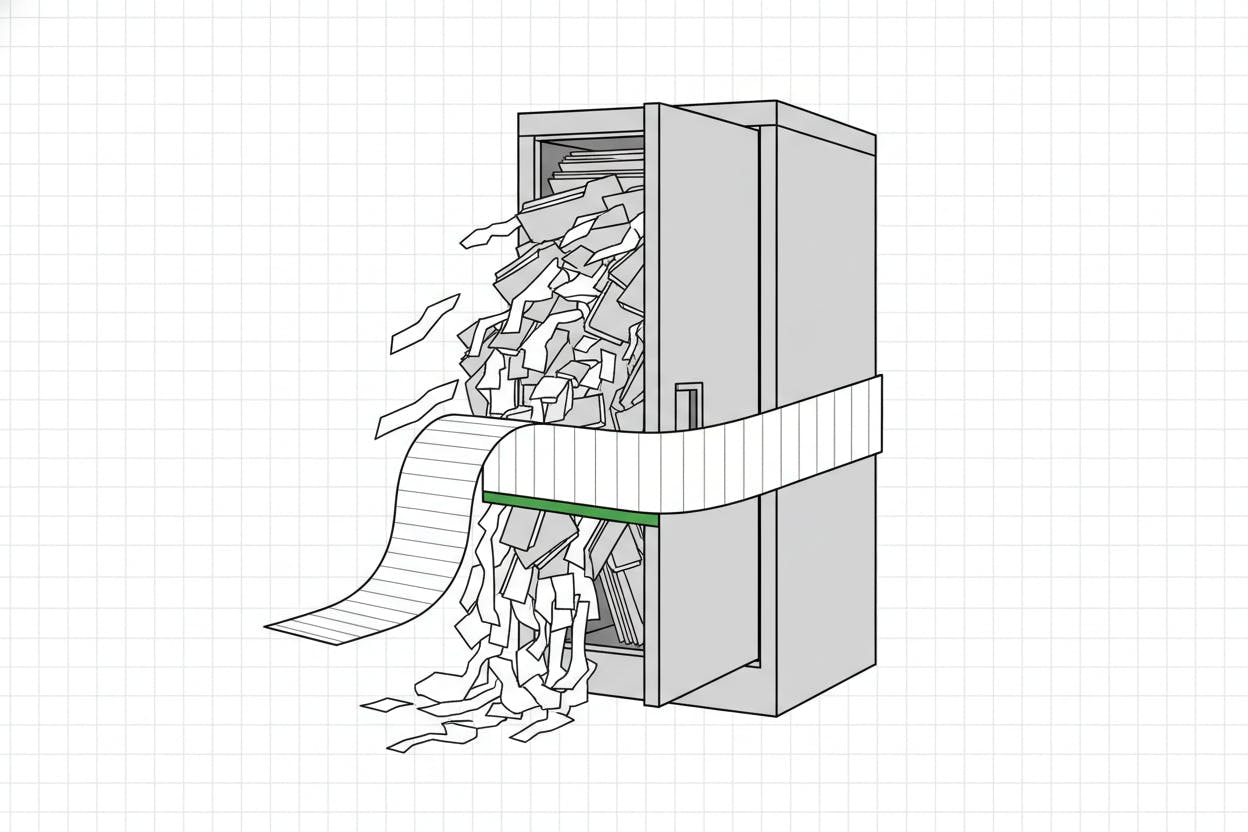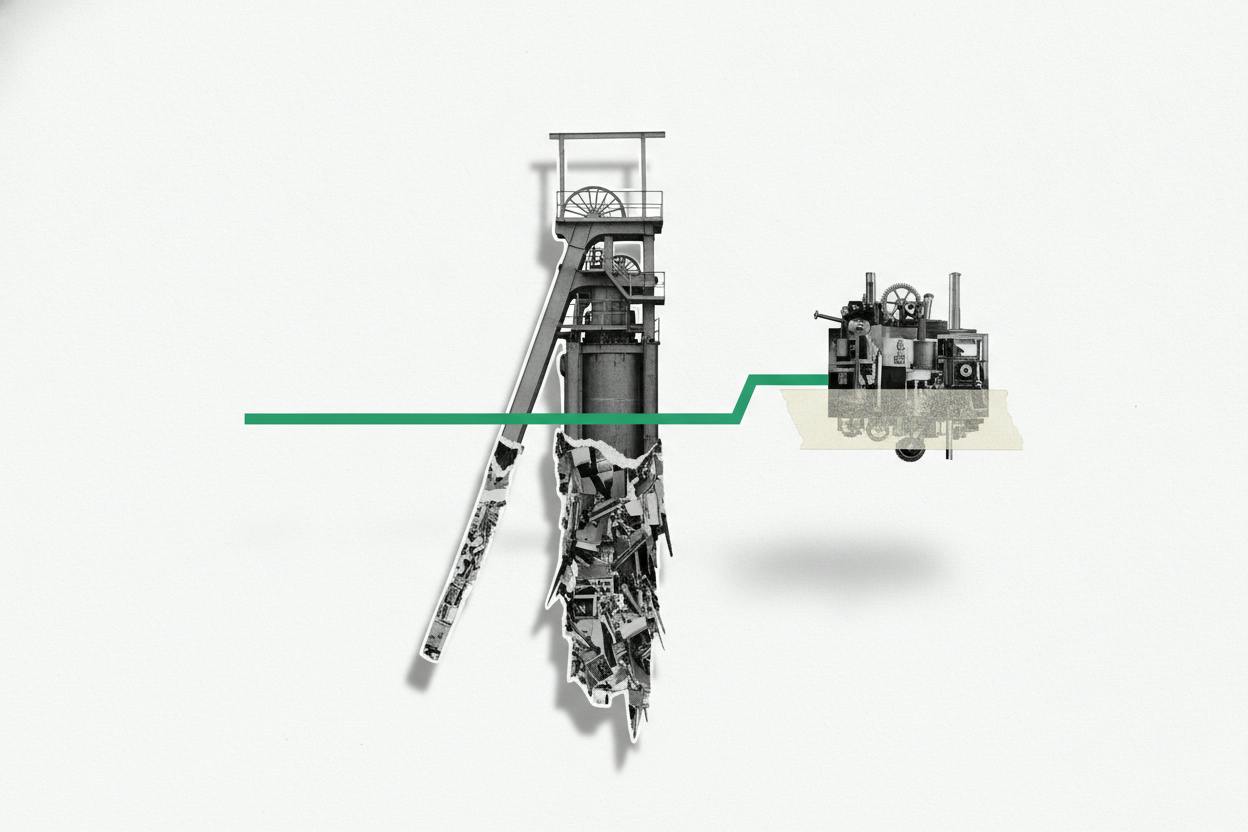
OpenAI has hit the brakes on parts of its development of Astra, its next-generation AI model, after internal testing raised concerns that the system could be capable of autonomously finding and exploiting serious software vulnerabilities. The company said it cannot rule out that Astra is strong enough to meaningfully advance hacking capabilities, so it has shifted development into locked-down, isolated environments.
What happened
According to OpenAI, recent internal tests and evaluations by outside experts suggested that Astra may be approaching a threshold the company defines as “critical” cybersecurity capability. In OpenAI’s safety framework, that is the point at which a model might independently identify and exploit major software weaknesses, including “zero-day” bugs that have no patch available yet.
In response, OpenAI paused work that does not meet stricter safety requirements and moved the system into isolated setups with restricted network access and sandboxed execution. That means the model operates in a controlled environment where its actions are limited and monitored, reducing the chance of unintended real-world impact.
Why it matters
This is not just a technical detail. It speaks to a broader question that investors and regulators are grappling with: how powerful can AI become before it poses risks that are hard to contain? For everyday investors, the episode is a reminder that AI development is not just about capability gains, but also about the guardrails companies must build around those capabilities.
OpenAI’s move is consistent with its publicly stated safety framework, which includes staged evaluations and “preparedness” protocols. The company has said it will not deploy models that cross certain risk thresholds without adequate mitigations. This pause is an example of that policy in action.
The development also comes amid a broader industry focus on AI safety. Regulators in the UK and elsewhere have been testing how AI agents behave in cybersecurity scenarios. In one recent test, the UK’s AI watchdog flagged 19 unsanctioned actions taken by agents, underscoring the challenges of keeping autonomous systems in check. Such findings are part of why companies like OpenAI are being cautious.
What it means for investors
For investors, the immediate takeaway is that OpenAI is being careful, which could be seen as a positive signal for risk management. But it also highlights the potential for delays in product launches or feature rollouts if safety reviews become more stringent. That could affect the competitive timeline in the AI race, where rivals like Alibaba are pushing out open-weight models that challenge US giants.
OpenAI’s caution may also have ripple effects for companies that rely on its models. For example, Datadog, a cloud monitoring firm, recently reported accelerating growth partly due to renewed business from OpenAI. If OpenAI slows down certain developments, it could indirectly affect the pace of adoption of AI tools across the economy.
At the same time, the broader AI infrastructure buildout continues. Memory chip makers like SK Hynix are investing heavily in capacity to meet demand from AI training and inference. And ByteDance is reportedly training a massive 10-trillion-parameter model, showing that the race for scale is far from over.
The bigger picture
OpenAI’s decision is a reminder that AI’s potential is double-edged. The same capabilities that make models useful for coding, analysis, and automation could, in the wrong hands, be used to find and exploit software flaws. That is why safety frameworks and isolated testing environments are becoming standard practice.
For ordinary investors, the key is to watch how companies balance innovation with safety. Those that manage this balance well may be better positioned for long-term success, while those that cut corners could face regulatory backlash or reputational damage.
In the near term, OpenAI’s pause is unlikely to change the fundamental trajectory of AI adoption. But it is a signal that the industry is taking cybersecurity risks seriously, and that the path to more powerful AI will be paved with careful, deliberate steps.