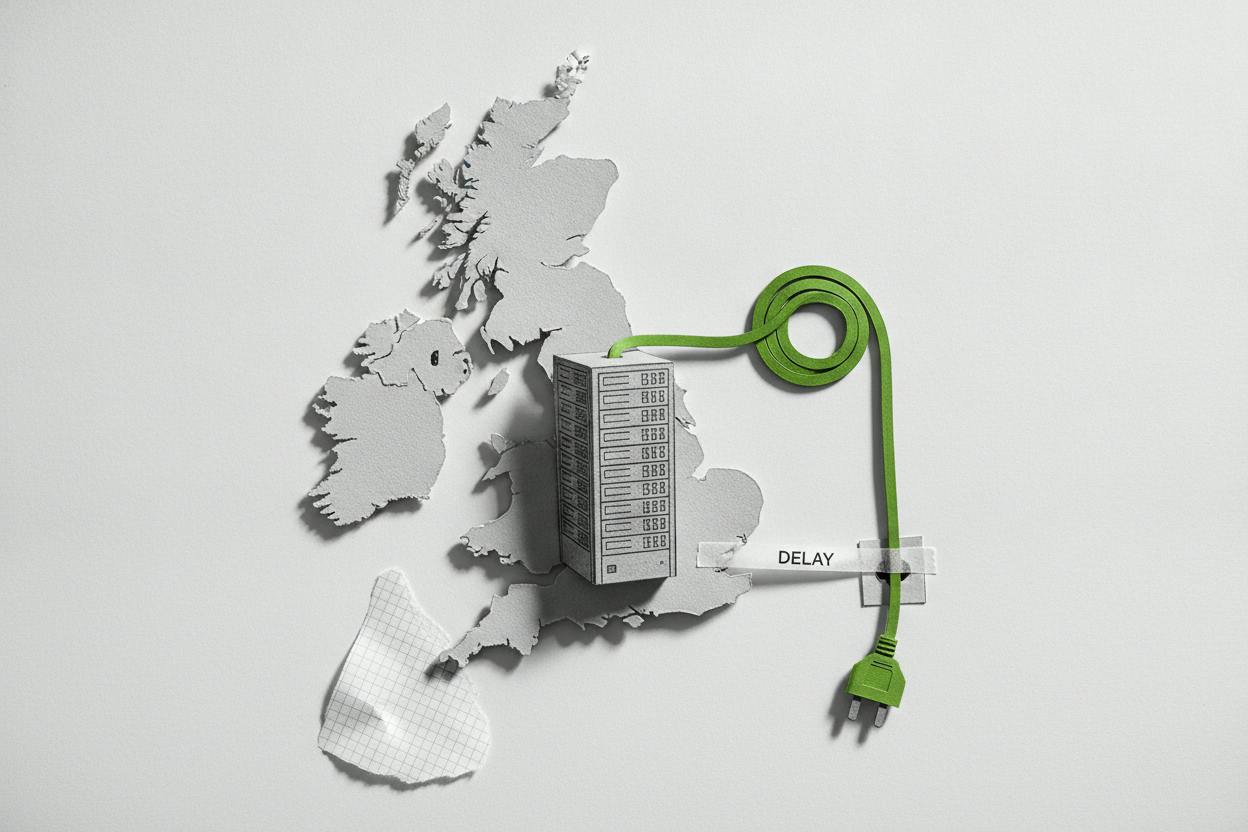
Oracle gave investors a clearer picture of how its artificial intelligence push is translating into future business, lifting its fiscal 2027 profit outlook as its backlog of cloud orders swelled to $664 billion. The company also said it brought 850 megawatts (MW) of new data center capacity online, a sign that its massive infrastructure build-out is progressing.
The update, released with its latest quarterly results, is the strongest signal yet that the company's AI-driven cloud strategy is showing up in the numbers that matter most to shareholders: forward-looking guidance and a fast-growing order book.
What's driving the backlog
Oracle is best known as an enterprise software company, but in recent years it has pivoted hard into cloud computing, building data centers to host AI workloads for businesses and governments. That shift requires enormous upfront spending—data centers are expensive to construct and equip—but the payoff comes in the form of long-term contracts that fill the company's backlog.
The $664 billion backlog represents the total value of future cloud and license revenue that Oracle has already contracted. It's a key metric because it gives investors visibility into how much revenue the company can expect in the coming years. The fact that it keeps climbing suggests demand for AI infrastructure remains strong, even as some investors worry about a potential slowdown in AI spending.
Bringing 850 MW of data center capacity online is also significant. A megawatt is a measure of power capacity, and data centers are typically measured in the tens or hundreds of megawatts. Adding 850 MW in a single quarter is a substantial increase, roughly equivalent to powering a small city. It shows Oracle is not just signing contracts but actually building the physical infrastructure needed to fulfill them.
The cost of growth
This kind of expansion doesn't come cheap. Oracle has been spending heavily on capital projects, and that spending weighs on near-term profits and free cash flow. For many investors, the concern has been that the company is spending too much, too fast, without clear evidence that the revenue will eventually arrive.
Today's guidance update is meant to address that concern. By raising its fiscal 2027 profit outlook, Oracle is signaling that it expects the investments to start generating meaningful returns within a couple of years. That's a longer-term view, but it's the kind of reassurance that can help investors look past the current period of heavy spending.
The pattern is familiar across the tech sector. Companies like SailPoint and others have been making similar pitches, arguing that AI-related investments will pay off over time. The key difference is scale: Oracle's backlog is among the largest in the industry, and its data center build-out is one of the most aggressive.
What it means for investors
For everyday investors, the takeaway is that Oracle's AI bet is starting to look more concrete. The backlog growth and capacity additions are tangible signs that the company is converting AI hype into actual contracts and infrastructure.
However, it's important to remember that guidance is just a forecast. Oracle's ability to hit its fiscal 2027 profit target will depend on whether it can execute on its data center build-out, keep costs under control, and continue winning new customers. If AI demand cools or competition intensifies, those numbers could change.
Investors should also consider the broader context. The surge in AI-related spending has been a major theme across the market, with companies like Aehr and others benefiting from the ripple effects. But it's not just about the big names—the entire supply chain, from chipmakers to data center operators, is being reshaped by this wave of investment.
For those watching Oracle specifically, the next thing to look for is whether the backlog continues to grow and whether the company can maintain its pace of bringing new capacity online. Any signs of slowdown could raise questions about the sustainability of its growth story.
In the meantime, Oracle's latest update is a reminder that in the world of AI infrastructure, patience can be rewarded—but only if the promises turn into profits.