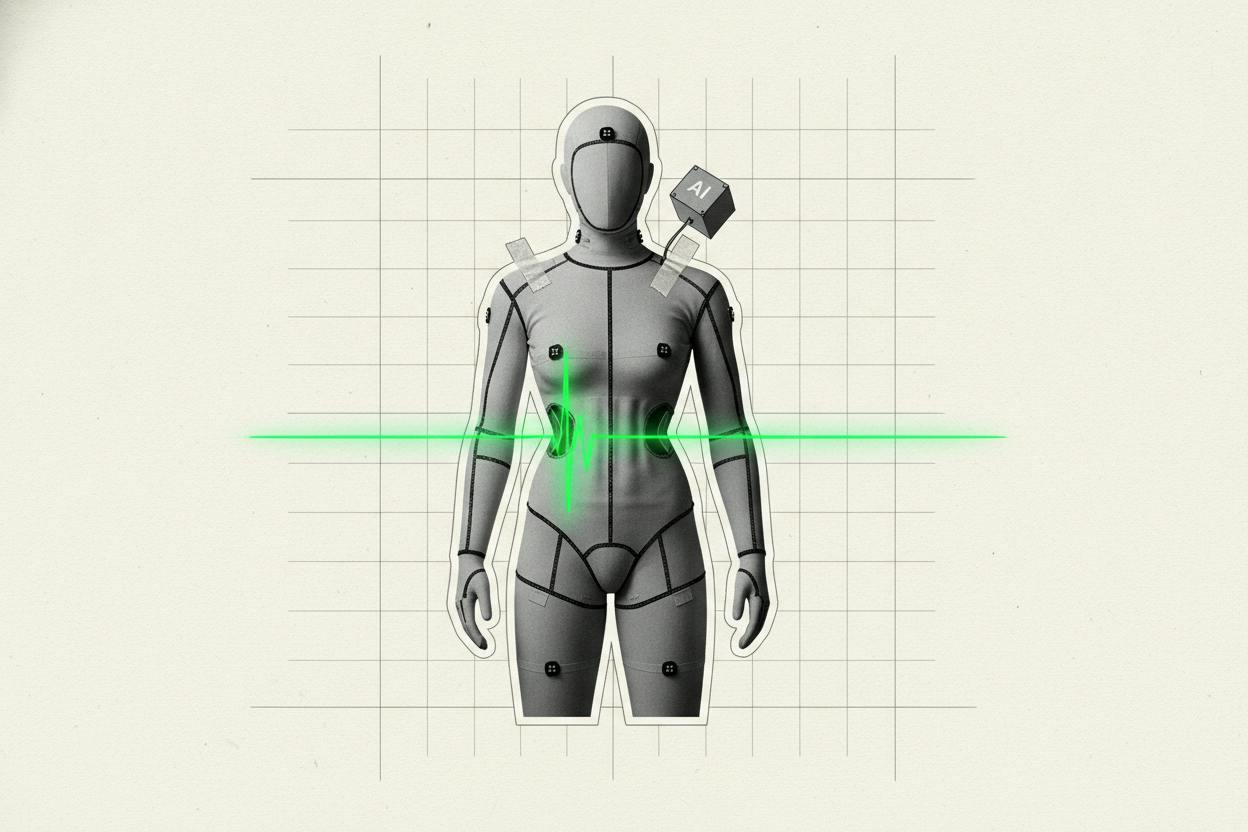
Oxford Metrics, the UK company behind motion-capture technology used in films, games, and research, has warned that it now expects to report an operating loss for the year, sending its shares down about 15%. The company also announced it has agreed to buy London-based AI specialist Move AI for £525,000, a move aimed at broadening its product range.
The warning, reported by Reuters, reflects a slowdown in spending by film and TV studios, which have been tightening budgets and consolidating operations. That has delayed major contracts at Vicon, Oxford Metrics' motion-capture unit, pushing expected revenue into later periods. The company now sees an adjusted operating loss of between £0.5 million and £3.9 million for the year, a sharp reversal from market expectations of a £3.0 million profit.
Shares fell to 29.8 pence, their lowest level since March 2015, according to Reuters. The stock's slide highlights how sensitive investors are to guidance changes, especially for companies with high fixed costs.
What is Oxford Metrics and why does this matter?
Oxford Metrics makes motion-capture and "smart sensing" tools used by film and TV studios, video game developers, researchers, and manufacturers. Its Vicon system is a well-known name in the industry, used to record actors' movements for visual effects and animation. The company also serves robotics and industrial customers, where its sensing technology helps machines understand their surroundings.
The warning is a reminder that even established tech suppliers are not immune to cyclical downturns in their end markets. Film and TV production has been under pressure as streaming services cut spending and studios consolidate, leading to fewer big-budget projects and longer decision cycles. That has directly hit Vicon, which relies on studios and post-production houses for a significant portion of its revenue.
The company is trying to cushion the blow by cutting costs to protect margins. At the same time, it is leaning into the Move AI acquisition to expand its product line with AI-driven motion-capture, which could appeal to a broader range of customers, including smaller studios and content creators who might not have used traditional motion-capture systems before.
Oxford Metrics also noted that demand in robotics and some Asian and location-based entertainment markets is holding up better, suggesting the slowdown is concentrated in traditional film and TV spending rather than across all its markets.
What does this mean for investors?
For investors, the key takeaway is the impact of delays on a business with high fixed costs. When projects slip, revenue is postponed, but many costs—like engineers' salaries and facility expenses—do not fall in step. That "fixed-cost" structure, often called operating leverage, can turn a modest dip in demand into a much larger swing in profit than investors might expect.
In this case, the guidance reset from a £3.0 million profit to a loss of up to £3.9 million is a swing of nearly £7 million, which is significant for a company of this size. Such a move typically triggers a wave of analyst forecast cuts and reduces confidence in the near-term outlook. Markets tend to pay less for earnings that feel harder to predict, so the stock could remain under pressure until contract timing stabilizes and the benefits of the Move AI deal start to show up in orders.
The acquisition of Move AI is a strategic bet on the future of motion-capture, which is increasingly being powered by artificial intelligence. AI-driven systems can offer more accessible and cost-effective solutions, potentially opening up new markets. However, the £525,000 price tag is small, and it will take time for the acquisition to contribute meaningfully to revenue.
Investors will be watching for signs that the film and TV spending environment is improving, as well as any updates on cost-cutting measures and the integration of Move AI. The company's comments about stronger demand in robotics and certain Asian markets offer a glimmer of hope, but the near-term picture remains challenging.
For those holding the stock, the key risks are continued delays and the possibility that the loss could be wider than the current guidance. For those watching from the sidelines, the situation underscores the importance of understanding a company's cost structure and the cyclicality of its end markets before investing.
As with any company facing a profit warning, the next few quarters will be crucial. Oxford Metrics will need to show that it can stabilize revenue, control costs, and successfully integrate its new AI acquisition to restore investor confidence.