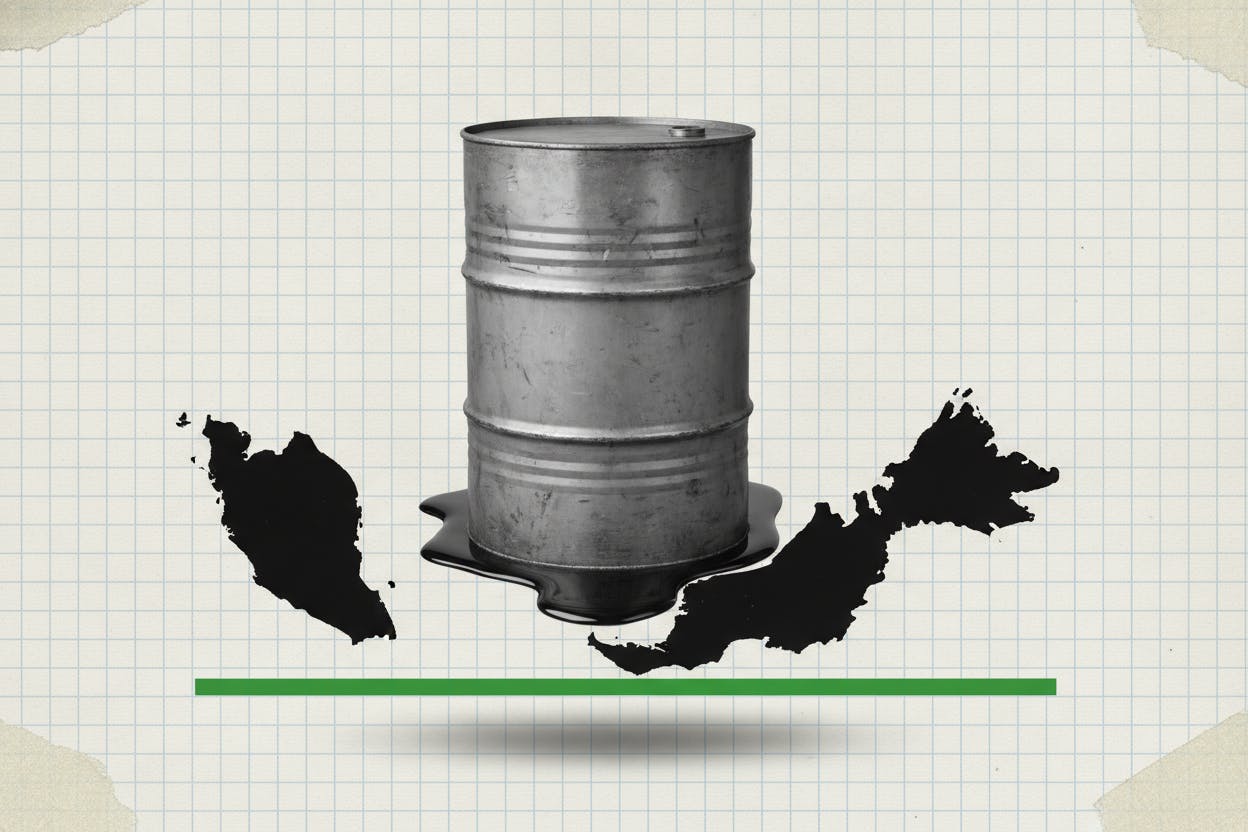
Malaysian palm oil futures edged lower in early Tuesday trade, slipping to 4,551 ringgit per metric ton as a combination of weaker rival vegetable oils, softer crude oil prices, and a strengthening ringgit dampened sentiment. The decline, however, comes against a backdrop of a still-positive monthly trajectory, with the benchmark contract on track to close the month in the green.
What's Driving the Dip?
The immediate pressure on palm oil stems from movements in the broader vegetable oils market. Palm oil competes directly with soybean oil, rapeseed oil, and sunflower oil, and buyers often switch between them based on price. On Tuesday, soybean oil futures on the Chicago Board of Trade edged lower, while competing oils in China also softened, reducing the relative appeal of palm oil at current levels.
Crude oil added to the headwinds. When energy prices fall, palm oil becomes less attractive as a feedstock for biodiesel, since the fuel it competes with becomes cheaper. The broader energy market has been under pressure recently, with oil prices slipping amid mixed signals on global demand and geopolitical tensions.
A firmer Malaysian ringgit also weighed on the commodity. Since palm oil is priced in ringgit, a stronger currency makes it more expensive for foreign buyers, potentially dampening export demand. The ringgit has gained ground recently, partly due to improving economic data in Malaysia, including a surge in producer prices that signals stronger domestic activity.
Still on Track for a Monthly Gain
Despite Tuesday's pullback, palm oil remains on course for a monthly gain. Prices have been supported by concerns over supply, including seasonal production slowdowns in key growing regions and tighter inventories in top producers like Indonesia and Malaysia. The market is also watching weather patterns, as the El Niño phenomenon can disrupt output in Southeast Asia.
Demand from major buyers, particularly India and China, has also provided a floor under prices. Both countries have been restocking edible oil reserves, and any pickup in import activity could give palm oil a fresh boost.
What It Means for Investors
For everyday investors, palm oil's price movements matter because they ripple through the food supply chain and affect companies that use vegetable oils as inputs. Higher palm oil prices can squeeze margins for food manufacturers, snack producers, and biodiesel makers, while benefiting plantation companies and commodity-focused exchange-traded funds (ETFs).
The current dip, while notable, does not signal a reversal of the broader uptrend. Investors should watch for key data points in the coming weeks: monthly export figures from Malaysia, production reports from Indonesia, and any changes in import tariffs from major buyers. The interplay between palm oil and crude oil also remains critical, as any sustained move in energy prices could shift the biodiesel demand outlook.
Currency movements add another layer. A stronger ringgit, while positive for Malaysia's economy, can weigh on palm oil exports. Conversely, a weaker ringgit tends to boost the commodity's international competitiveness.
Broader Market Context
The palm oil market is not moving in isolation. Global commodity markets have been volatile, with shipping costs falling as demand for raw materials softens, and equity markets showing mixed signals. Investors are also keeping an eye on geopolitical developments, including trade tensions and energy security concerns, which can influence both supply chains and investor sentiment.
In the near term, palm oil's direction will likely hinge on the balance between supply constraints and demand from the food and energy sectors. With the contract still eyeing a monthly gain, Tuesday's slip may prove to be a temporary pause rather than the start of a sustained decline.